People hosting breakfast
You’re looking for a bottle to put on the table, with enough for everyone, while keeping in mind any juice left over after the weekend.


For weekend breakfast, first choose between fruit juice and nectar, depending on the recipe you’re looking for. Then check that the bottle is made of glass and that its capacity is right for the number of glasses you plan to serve. The glass tells you nothing about the ingredients or sugar content, so compare the nutrition information per 100 ml and check how long the juice will keep once opened.
You’re looking for a bottle to put on the table, with enough for everyone, while keeping in mind any juice left over after the weekend.
You want to tell the difference between fruit juice, juice made from concentrate and nectar, and check the ingredients and sugar content rather than relying on how the bottle is presented.
You want to confirm the bottle’s material before buying and follow any recycling or return instructions shown on the bottle.
When choosing a bottle to share, start with the product description and recipe. Then check the capacity, how long it keeps once opened and the bottle material.
| What to check | What to look for | Who is it for? |
|---|---|---|
| Recipe and sugars | Read the product description, ingredients and the ‘of which sugars’ figure per 100 ml. The DGCCRF distinguishes fruit juice from nectar, among other things. | If I want to know whether I’m serving fruit juice or nectar, the appearance of the bottle isn’t enough. Around 45% of consumers put the recipe and sugar content at the top of their list. |
| Capacity and storage | Compare the capacity with the number of glasses you plan to serve, then check how long it keeps and how to store it once opened. | When I’m hosting at the weekend, I want to serve everyone without leaving an opened bottle for too long. Pack size and leftovers are the priority for around 33% of consumers. |
| Glass and disposal | For the size you choose, confirm that it says ‘glass bottle’ and follow the recycling or reuse instructions on the packaging. | If glass matters to me, I need to know what the bottle is actually made of and what to do with it when it’s empty. This is the main concern for around 22% of consumers. |
A glass bottle doesn’t tell you whether the drink is fruit juice or nectar, or how much sugar is shown in its nutrition information.
Compare bottles by checking their product descriptions, ingredients and ‘of which sugars’ figure per 100 ml.
A product’s recipe or presentation doesn’t tell you what its packaging is made of. The listing for Carrefour Extra Fruits du Verger juice describes its recipe and size, for example, but doesn’t confirm that it comes in a glass bottle.
If glass is important to you, look for an explicit statement on the listing for the size you want, or check the bottle in store.
Storage instructions after opening vary by product: the Auchan Bio juices shown should be refrigerated and consumed within 5 days, while Thomas Le Prince pure apple and pear juice should be consumed within 3 days.
Estimate how many glasses you’ll serve and choose a size that you can finish within the time stated on the bottle.
A bottle that’s too large for your guests could leave you with juice to throw away if you exceed this time.
Glass is collected separately. ADEME advises putting glass packaging in a dedicated glass recycling container.
Once the bottle is empty, check its recycling instructions. If it’s marked for reuse, follow the return instructions provided.
A range of mixed fruit and orchard fruit juices in 1 L glass bottles, as described on Auchan’s product listings.
Organic pure apple and pear juice in a 1 L glass bottle, for anyone who prefers this fruit combination.
Orchard fruit juice in a 1.5 L size, worth considering if capacity matters more than choosing glass.
A brand offering different types of fruit drinks, which you can compare according to the product description you’re looking for.
A brand to consider if you’re choosing between fruit juice and nectar.
This option is for breakfasts where a glass-bottled nectar fits the bill. It’s not the same as the pure juices mentioned above.
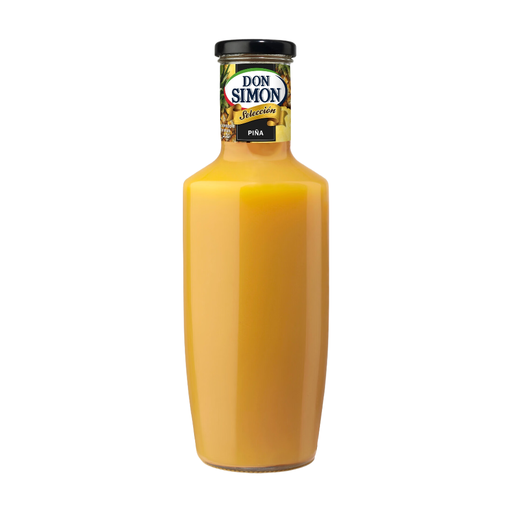 Image unavailable
This size could work well for a shared breakfast if you’re happy with pineapple nectar rather than pure juice.
Before buying, check the ingredients list and storage instructions after opening on the packaging of the item being sold.
No. The bottle material tells you nothing about the sugar content. Compare the ‘of which sugars’ figure per 100 ml and the ingredients. The product description will also help you tell juice from nectar.
Follow the instructions for the specific product and store it as directed. The Auchan Bio juices shown should be refrigerated and consumed within 5 days of opening, while the Auchan listing for Thomas Le Prince pure apple and pear juice says to keep it chilled and consume within 3 days.
ADEME advises putting glass packaging in a glass recycling container. If the bottle is intended for reuse, also check the instructions printed on it.
Start by reading the product description on the label: the DGCCRF distinguishes fruit juice from nectar. Then check the ingredients and nutrition information for the product you’ve chosen, rather than guessing its category from its presentation.