
Livraison le jour même ou le lendemain

Qualité garantie

Débloquez vos offres de bienvenue: Livraison GRATUITE | Jusqu'à -80 % | 30 jours d'essai gratuits à JoyPlus
Téléchargez l'application
Buying bottled beer seems simple enough… until you start comparing sizes, alcohol content, ingredients and storage conditions. Whether it’s a light lager, a fuller-bodied abbey beer, a fruity recipe or a speciality from abroad, the differences directly affect the taste, the price per bottle and the occasion you’ll serve it for.
Before you fill your basket, it’s worth keeping a few common pitfalls in mind.
A pale lager isn’t necessarily light. Some blonde or amber beers exceed 7% ABV, while a fruity beer can have a much more moderate strength. Always check the alcohol by volume (ABV) percentage shown on the label.
As a guide, a 25 cl bottle at 7.2% ABV represents roughly 1.8 alcohol units, based on the calculation provided for La Goudale. So the alcohol level needs to be considered alongside the bottle size and the number of bottles in the pack.
A pack of beers can be perfect for a party, but far less practical for occasional drinking. Once opened, a bottle quickly loses its flavour and generally doesn’t keep for long. For a tasting for two, a 75 cl bottle can work well. For drinks with several guests, 25 cl or 33 cl formats make serving easier and reduce waste.
Terms like “abbey”, “craft”, “premium” or “traditional recipe” aren’t enough to predict the flavour profile. Instead, look at the stated colour, the aromas, the type of malt, whether wheat or added flavours are present, and any suggested food pairings. An Asian beer, for example, might focus on a crisp, cereal sensation, while a strong beer or stout will highlight roasted malts and lingering notes.
Guinness comes in several varieties. The Guinness Foreign Extra Stout featured here has 7.5% ABV and, according to its description, develops notes of coffee, caramel and dark chocolate. So don’t automatically assume it’s a lighter version.
Check the “% vol.” figure before focusing on the price or the look. In this selection, the range goes from 2.8% ABV for Saint-Omer Cherry Kriek to 9% ABV for Grimbergen Réserve Cuvée Quadruple. Stronger beers are generally sipped more slowly and in smaller quantities.
Alcohol consumption is for adults aged 18 and over. It is not recommended during pregnancy and is incompatible with driving. Alcohol abuse is dangerous to your health.
Also remember to check the allergens. Several products contain barley malt, wheat or gluten. The information on the packaging is definitive, particularly regarding any possible traces.
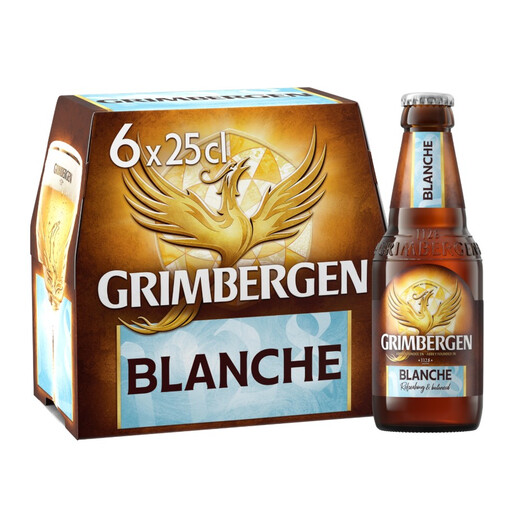
Why this choice suits this profile: This pack of six 25 cl bottles lets you discover a white abbey beer without committing to a large volume. Its fruity, spicy profile works well with aperitifs, salads and mild cheeses.
The limited size prevents overbuying a beer whose style and 6% ABV content are still to be discovered.
Six 25 cl bottles, 51 kcal per 100 ml according to the product sheet, containing barley malt and wheat.
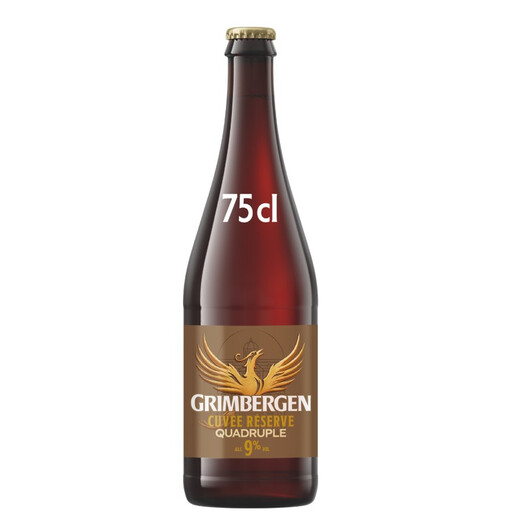
Why this choice suits this profile: With its 75 cl bottle and rich profile of ripe fruit, spices, dark rum and liquorice, this beer calls for slow sipping, either for two or with a meal.
The 9% ABV and the bottle size are clearly stated, so you won’t mistake a sharing bottle for a light beer.
75 cl format, 65 kcal per 100 ml according to the product sheet, suggested pairings with strong cheeses, meat in sauce and a chocolate dessert.
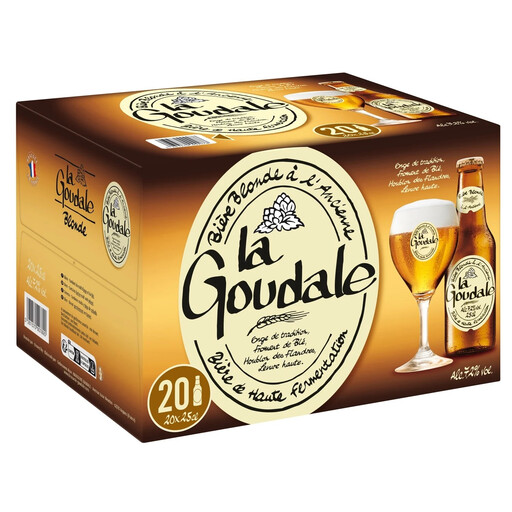
Why this choice suits this profile: The 20-bottle pack of 25 cl is designed for large gatherings, private events and sociable occasions where individual servings make life easier.
The number of bottles and their individual volume are clearly stated, so you can estimate the quantities needed without relying solely on the pack’s appearance.
French blonde ale at 7.2% ABV, golden colour, malt, Flemish hops and a 20 × 25 cl pack.
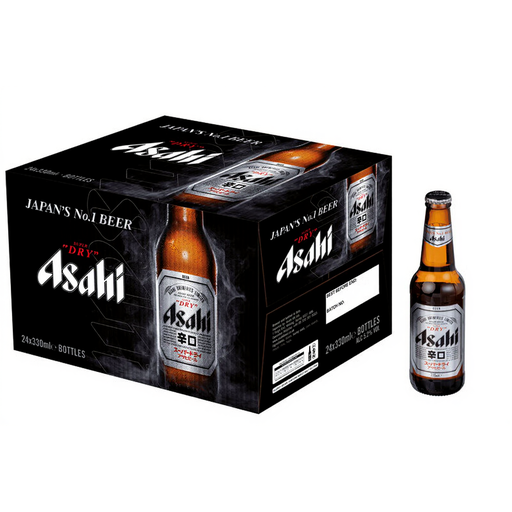
Why this choice suits this profile: This pack of 24 33 cl bottles is for those who want to serve a Japanese beer with a clean, dry, refreshing profile at a meal or party.
The total volume and the 5.2% ABV are detailed, making it easy to calculate how much you need for a group.
24 bottles of 33 cl, recipe made with water, barley malt, yeast and hops, with gluten listed as an allergen.
We’ve put together a comprehensive, real-time selection of products that meet these strict criteria as well as European safety regulations.
Store the bottles in a cool, dry place away from light, and check the date on the label. Serving temperature depends on the style: a white or blonde beer is generally best served well chilled, while a strong abbey beer benefits from being served slightly less cold to let its aromas develop. Tilt the glass when pouring to limit spillage and achieve a steady head.
The 25 cl format is suitable for individual servings and packs. The 33 cl offers more volume to accompany a meal or enjoy a personal tasting. The 75 cl bottle is more for sharing and should be drunk quickly after opening.
Before opening, follow the date and storage instructions on the packaging. After opening, drink it promptly: the carbonation and aromas change quickly, especially if the bottle isn’t resealed.
Not necessarily. Saint-Omer Cherry Kriek has 2.8% ABV, while Grimbergen Cuvée Réserve Framboise has 7.5% ABV. So the fruity style alone isn’t enough to judge the alcohol content.