
Livraison le jour même ou le lendemain

Qualité garantie

Débloquez vos offres de bienvenue: Livraison GRATUITE | Jusqu'à -80 % | 30 jours d'essai gratuits à JoyPlus
Téléchargez l'application
Looking for a healthier kitchen and cookware that lasts? Borosilicate glass is making a major comeback, and for good reason. This cookware is establishing itself as a healthy, versatile, and stylish Teflon-free alternative. But be warned, not all glassware is created equal. Before you toss out your old pans, here’s how to navigate the marketing traps and make the right choice.
As the Head of Product Curation at Joybuy, my role is to guide you. Let's break down the common mistakes to avoid and the essential criteria for choosing your next glass kitchen utensils.
The market is full of promises, but the reality of day-to-day use can sometimes be disappointing. Here are the key points to watch out for to ensure you don't regret your purchase.
To be sure you're making the right choice, here are the three fundamental points to check.
The secret to borosilicate glass lies in its chemical composition, which includes boron oxide. This gives it a much higher resistance to temperature changes than standard soda-lime glass.
The great advantage of borosilicate glass is its inert and non-porous nature. This is a key point for healthy, PFAS-free cooking without other controversial coatings.
A good utensil is, above all, one that is practical and pleasant to use every day.
To illustrate these criteria in practice, here are a few products that tick all the boxes for different needs.
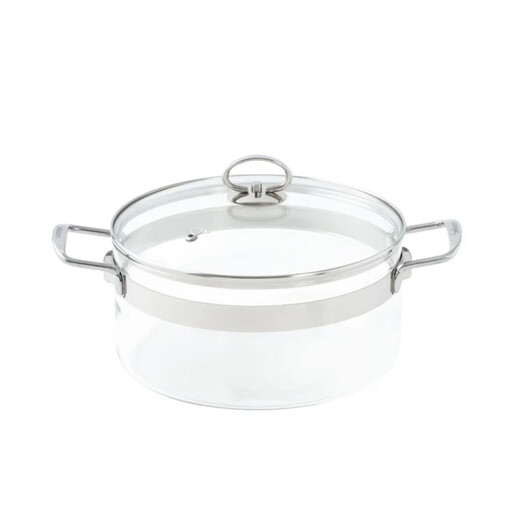
Why we chose it: Its large 4.2 L capacity is perfect for soups, stews, and pasta dishes for the whole family. Its transparency allows you to keep an eye on simmering dishes without ever lifting the lid.
The product page is upfront: gas/electric compatibility and an oven limit (180°C). No nasty surprises. The integrated pouring spout is a thoughtful detail.
A 100% healthy material (PFAS/PTFE-free) that cleans up in a flash. Highly versatile, it goes from the oven to the table.
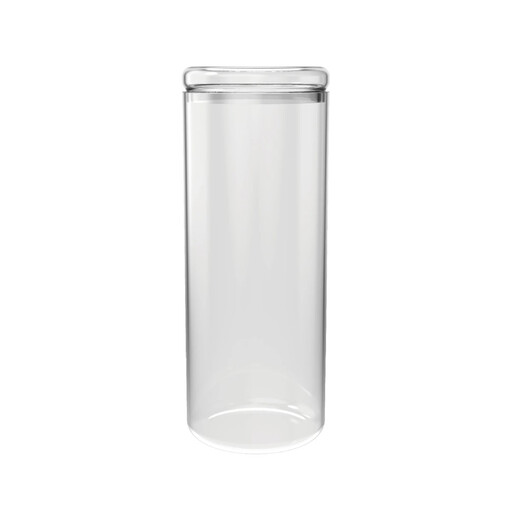
Why we chose it: Ideal for storing dry goods (rice, pasta, coffee) while preserving their freshness. Its transparent, minimalist design lets you identify contents instantly and creates a streamlined look in your cupboards.
There's no confusion here: its purpose is clearly storage. The airtight lid is a guarantee of effectiveness, a far cry from purely aesthetic but impractical gadgets.
Perfect preservation thanks to the airtight lid and non-porous glass, which doesn't retain odours or stains.
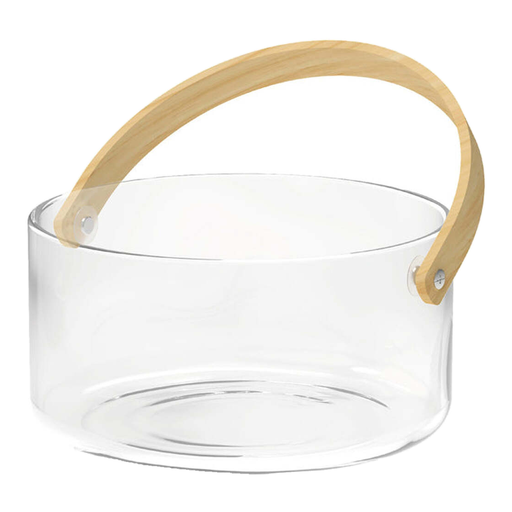
Why we chose it: This serving bowl combines the elegance of glass with the warmth of bamboo. It's equally at home presenting a fresh salad or hot dishes, thanks to its good thermal resistance.
It avoids the "style over substance" trap. The bamboo handle isn't just an aesthetic touch; it ensures a stable and secure grip, even when the dish is hot.
Its hot/cold versatility makes it a prime choice for elegant serving. The bamboo handle guarantees safe handling.
Discover our full selection of products that meet our strictest quality and safety standards.
This is strongly discouraged. Even though borosilicate glass handles temperature changes well, a sudden and extreme thermal shock (going from 5°C to 180°C in an instant) can create stress and cause it to crack. As a precaution, let your dish return to room temperature for 10 to 15 minutes before putting it in the oven.
Washing by hand with a soft sponge and washing-up liquid is still the best method to preserve its shine. Most models are dishwasher-safe, but always check the manufacturer's recommendations. Above all, never use scouring powders or pads that could scratch the glass.
No, because glass is not a magnetic material, making it incompatible with induction. The solution? Use an induction adapter disc. This is a metal disc placed between the hob and your glass utensil to transfer the heat. Remember to check if this option is offered or compatible with the product you are interested in.