
Livraison le jour même ou le lendemain

Qualité garantie

Débloquez vos offres de bienvenue: Livraison GRATUITE | Jusqu'à -80 % | 30 jours d'essai gratuits à JoyPlus
Téléchargez l'application
Saying goodbye to plastic in the kitchen has become a priority for many of us. In this quest for healthier eating, the borosilicate glass dish has established itself as a staple for both cooking and storage. But be warned: not all glass dishes are created equal. Between marketing promises and technical reality, it's easy to make a misstep. This guide is here to help you see things more clearly and choose the perfect product for your needs, without any nasty surprises.
The market is flooded with options, but a few details can turn a good investment into a disappointment. Here are the most common pitfalls.
This is the most common mistake: assuming that any oven-safe glass dish can be used on a stovetop. However, most borosilicate glass dishes are designed for the diffuse, gradual heat of an oven. Direct contact with a flame (gas) or an electric hob generates a thermal shock so intense and localised that it can shatter the dish. Only a few specific models, such as a glass stockpot or a glass casserole dish specially designed for this purpose, are stovetop-compatible. Always remember to check this crucial information on the product page.
A dish is only as good as its lid. With an unreliable closing system, your glass food storage container becomes almost useless for transporting a saucy dish or keeping food fresh. The points to watch out for are:
Although they may look identical, these two types of glass do not offer the same level of durability. Borosilicate glass incorporates boron trioxide, which gives it far superior resistance to thermal shock. It can therefore handle transitions from cold to hot much better (always with caution). Soda-lime glass, even when tempered, does not withstand these sudden changes well and is a poor choice for uses involving large temperature swings. For oven cooking and freezing, the borosilicate glass container remains the gold standard.
To make an informed choice, focus on these three essential criteria.
This is the key advantage of borosilicate glass. This property refers to the material's ability to withstand a sudden temperature change without cracking. Be aware, this resistance has its limits. Manufacturers specify an operating temperature range (e.g., from -20?°C to +180?°C) that must be respected. Avoid extreme shocks at all costs, such as pouring boiling liquid into a dish that has just come out of the freezer.
A good glass dish should simplify your life. Before you decide, take stock of your needs:
A truly versatile product will allow you to cook, store, transport, and reheat in a single container.
For a glass food storage container dedicated to meal prep or transport, an airtight seal is non-negotiable. Opt for locking systems with four-sided locking clips and a removable silicone gasket. This last detail is crucial for impeccable cleaning and long-term hygiene.
Here are a few options that cater to different user profiles, based on the criteria we've just discussed.
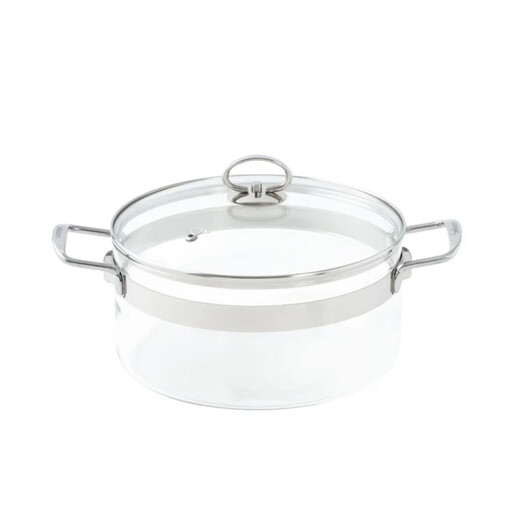
Why we chose it: Ideal for simmering soups, stews, or pasta for the whole family. Its transparency lets you keep an eye on the cooking process without lifting the lid, preserving heat and flavour.
This stockpot is explicitly designed for use on gas and electric stovetops. There's no confusing it with a standard oven-only dish.
Large 4.2 L capacity. Inert material guaranteed free of PFAS/PTFE for healthy cooking. Features an integrated spout for drip-free pouring.
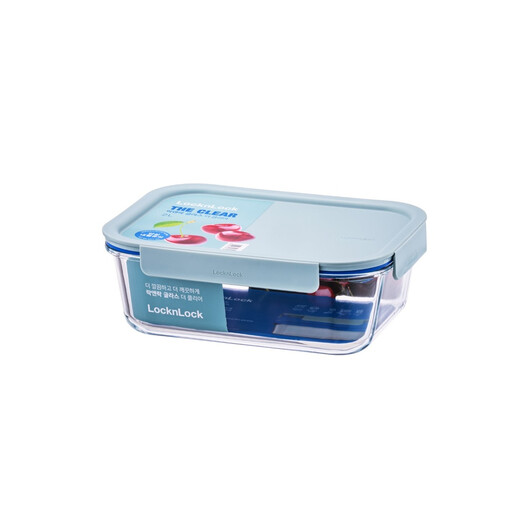
Why we chose it: Perfect for those who prep their meals for the week. Its large 2 L capacity holds generous portions, and its locking system is designed for transport and freshness.
This model tackles the leaky lid problem head-on. It features a removable silicone gasket for thorough cleaning and sturdy clips that ensure a 100% airtight seal.
Freezer, microwave (without lid), and dishwasher safe. Its borosilicate glass can withstand thermal shocks of up to 200 °C, according to the manufacturer.
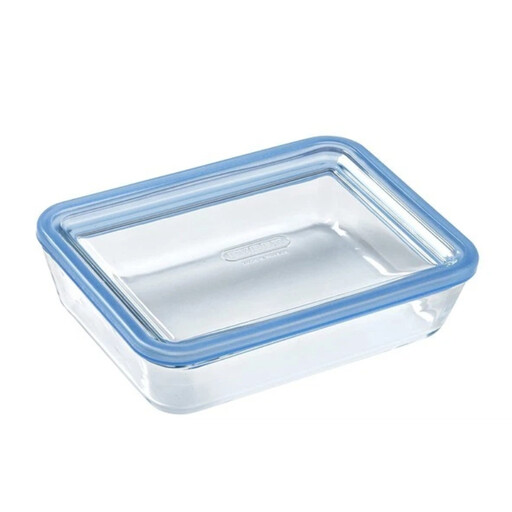
Why we chose it: A timeless classic for anyone looking for a do-it-all dish: bake a casserole for one or two, store leftovers, and reheat them the next day. Its compact size is a real bonus.
This product plays the transparency card: it's clearly identified as a pure borosilicate glass dish. There's no confusion about the material's quality and its high thermal resistance, which is ideal for the oven.
Extremely versatile: safe for the oven, microwave, fridge, freezer, and dishwasher. Stackable design for maximum space-saving.
Explore our full selection of glass dishes that meet our strictest quality and safety standards.
Even though borosilicate glass is a champion of thermal shock resistance, it is not indestructible. Moving a dish directly from one extreme temperature to another (e.g., from -18?°C to +200?°C) is still a risky move. To maximise the lifespan of your dish, the best practice is to let it return to room temperature for a few minutes before putting it in the oven. When in doubt, always refer to the manufacturer's instructions, as tolerances can vary from one model to another.
By nature, glass is not a magnetic material and is therefore not compatible with induction. For a glass stockpot to work on an induction hob, it must be used with an induction adapter disc. This accessory, sold separately, is placed between the hob and the dish to act as an intermediary and transfer heat. Make sure the dish manufacturer explicitly mentions compatibility with this type of disc.
With minimal care, the glass container itself can last for decades. Unlike plastic, it doesn't stain, warp, or absorb odours. The real weak point is the lid, especially the locking clips and the sealing gasket. Careful use and meticulous cleaning (remembering to remove the gasket) will significantly extend its lifespan.