
Livraison le jour même ou le lendemain

Qualité garantie

Débloquez vos offres de bienvenue: Livraison GRATUITE | Jusqu'à -80 % | 30 jours d'essai gratuits à JoyPlus
Téléchargez l'application
Eating healthier, adopting a sustainable lifestyle… These priorities also influence our choice of kitchenware. Plastic, increasingly criticised for health and environmental reasons, is giving way to more reliable alternatives. Among them, the borosilicate glass dish is establishing itself as an essential. But with an overwhelming number of options, how do you make the right choice?? This guide is here to help you navigate the options and find the perfect products for cooking, storing, or organising your kitchen.
Before we dive into our selection, here are the key criteria to keep in mind to ensure you make the right decision.
The superpower of borosilicate glass?? Its exceptional resistance to temperature changes. Unlike standard glass, it is designed to go from the freezer to the oven (with a few precautions to avoid extreme thermal shock). This versatility makes it the ultimate glass oven dish. Always check the maximum supported temperature, especially if you plan to use it intensively for baking. A good dish should effortlessly handle the oven, microwave, and freezer.
For meal prep or storing leftovers, an airtight seal is non-negotiable. A quality glass storage container must have a lid with a silicone seal and a foolproof locking system. This guarantees your food stays fresh longer, without any leaks. For dry goods (pasta, rice, coffee), an airtight jar is just as essential to protect them from moisture and air.
Choosing borosilicate glass means opting for healthy cooking. This material is perfectly inert: it doesn't react with food, never alters its taste, and releases no harmful substances. It's a healthy and reassuring alternative to containers that may contain PFAS, PTFE, or BPA. One point of caution?: ensure that the lids, often made of plastic, are certified BPA-free.
Enough theory, let's get practical! Here are our top picks, selected for their versatility and smart design.
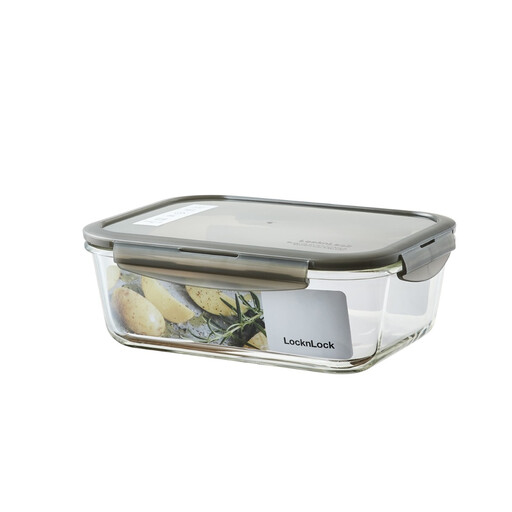
What sets it apart?: This dish from Lock&Lock combines an ultra-durable borosilicate glass body with a proven clip-locking system. With its generous 2-litre capacity, it's perfect for family meals or storing large portions.
Benefits?:
Who is it for? For meal prep enthusiasts and families who want an all-in-one solution to cook, store, freeze, and reheat.
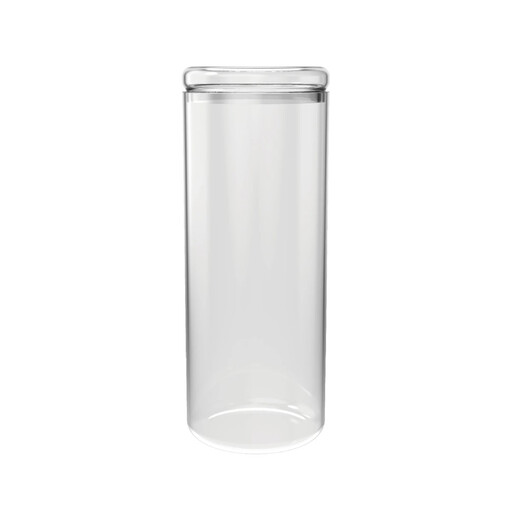
What sets it apart?: This jar from the Swiss brand NUTS proves that organisation can be elegant. Its sleek design and airtight lid are perfect for impeccable kitchen organisation and for saying goodbye to plastic in style.
Benefits?:
Who is it for? For anyone who wants a stylish and well-organised pantry, prioritising durable materials for storing their dry goods.
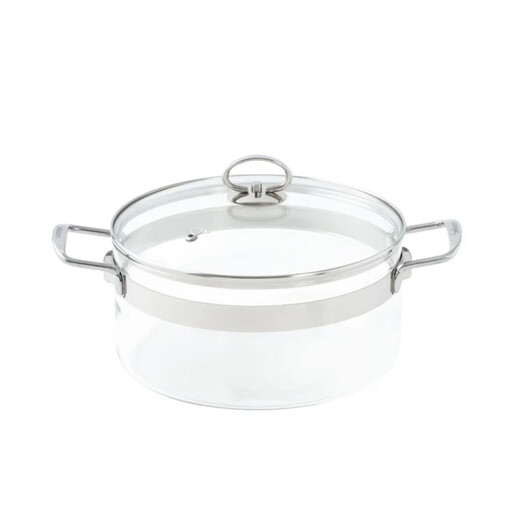
What sets it apart?: This transparent glass stockpot from Mastrad is a marvel that lets you monitor your cooking without ever lifting the lid. Made from borosilicate glass, it is guaranteed PFAS-free and PTFE-free. A promise of healthy cooking for all your slow-cooked meals.
Benefits?:
Who is it for? For health-conscious cooks who like to keep an eye on their simmering dishes and are looking for a large, versatile stockpot.
Borosilicate glass comes in all shapes and sizes. If you're looking for other formats, especially for freezing, you're sure to find what you need in our complete selection.
? Discover our full range of glass containers for freezing
It all comes down to chemistry. Borosilicate glass contains boron trioxide, which gives it a very low coefficient of thermal expansion. In simple terms, it is much more resistant to thermal shock (sudden temperature changes) than regular glass.
Even though borosilicate glass is tough, it's best to avoid extreme thermal shock, like going directly from a -18?°C freezer to a preheated 220?°C oven. To eliminate any risk of cracking, it's best to let the dish thaw for a few minutes at room temperature, or place it in a cold oven and let it heat up slowly. Also, remember never to place a hot dish on a cold, wet surface.
Yes, provided you choose them carefully. Reputable manufacturers use polypropylene (PP) plastic, a stable material that is safe for food contact. The key is to check that the lid is labelled as "BPA-free". Be aware that lids should never go in a conventional oven. In the microwave, it is recommended to simply place the lid on top of the dish without clipping it shut, allowing steam to escape.