
Livraison le jour même ou le lendemain

Qualité garantie

Débloquez vos offres de bienvenue: Livraison GRATUITE | Jusqu'à -80 % | 30 jours d'essai gratuits à JoyPlus
Téléchargez l'application
Want to swim to music to break up the monotony of laps, without sacrificing sound quality or risking your headphones? That's the promise of bone conduction headphones. As product experts at Joybuy, we're here to demystify this technology and give you the keys to choosing the bone conduction swimming headphones that are perfectly suited for your workouts. All without the unnecessary marketing jargon.
Before you dive in, it's crucial to understand the few criteria that will make all the difference during your workout. Here are the three essential points to check.
The Ingress Protection (IP) rating is the standard that measures a device's resistance to water and dust. For sports use, and especially for aquatic activities, this is a non-negotiable feature.
How you listen to your music changes everything, especially underwater.
A good sports headset is one you forget you're wearing. The advantage of bone conduction is that it leaves the ear canal completely open, transmitting sound through vibrations via the jawbones. Say goodbye to the pressure and discomfort of in-ear headphones! Opt for a lightweight design and a titanium or flexible material headband to ensure a perfect fit, even during the most vigorous movements.
Enough theory, let's get practical! Here are the models that caught our attention, each meeting a specific athletic need.

Why it stands out: The Verbex X7S was designed with one goal in mind: swimmers. Its key strength is the combination of an IPX8 waterproof certification and 32GB of internal memory. It's a true standalone MP3 player for your laps in the pool.
Pros:
Who is it for? For swimmers, triathletes, and all water sports enthusiasts looking for a reliable and high-performance audio solution for their immersive workouts.
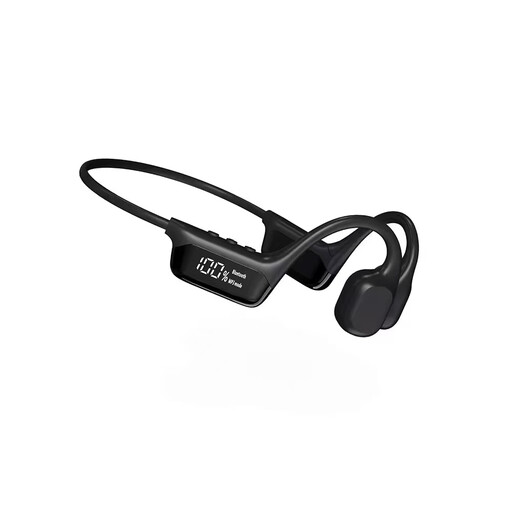
Why it stands out: The Verbex BL-09 is the Swiss Army knife of the lineup. Versatile and focused on connectivity and call quality, it's the perfect companion for athletes who juggle their workouts with everyday life.
Pros:
Who is it for? For casual athletes and users looking for versatile bone conduction headphones (sports, remote work, commuting) who place a high value on call quality. Note that its waterproof rating is not intended for immersion.
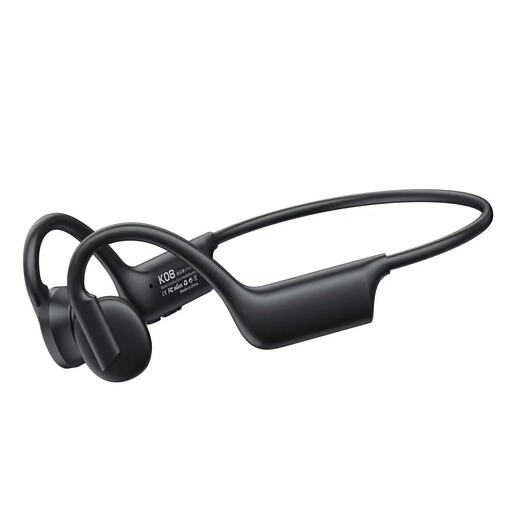
Why it stands out: The Verbex K08 focuses on being feather-light and comfortable for land-based sports. Weighing just 25 grams, it's designed to be completely unnoticeable during long runs or bike rides.
Pros:
Who is it for? Perfect for runners, cyclists, and fitness fans who want to enjoy their music without being cut off from the outside world, and for whom lightness is the number one priority. This model is not designed for swimming.
A good audio headset is a great start. But for a truly complete workout, you also need to vary your exercises and track your progress. To round out your gear, from agility cones to speed ladders, take a look at our selection of accessories.
? Discover our selection of sports cones to optimise your sessions
Absolutely not. This technology, already proven in the medical field, transmits sound via micro-vibrations along the jawbones to the inner ear, without ever engaging the eardrum. It is perfectly safe and has the advantage of not obstructing the ear canal. As with any audio device, it is simply advisable to maintain a reasonable listening volume.
No, and this is a common pitfall. Bluetooth waves (2.4 GHz) are almost instantly blocked by water, reducing their range to just a few centimetres. To listen to music while swimming, it is imperative to choose waterproof headphones with internal memory, like a swimming MP3 player.
The sound experience is different. Bone conduction headphones shine with the clarity of their mids and highs, making them perfect for voices (podcasts, calls) and most musical styles. However, the bass is logically less deep than with in-ear headphones that isolate the ear. The main advantage is not to aim for audiophile quality, but to offer an unparalleled compromise between listening pleasure, comfort, and awareness of your surroundings.