
Livraison le jour même ou le lendemain

Qualité garantie

Débloquez vos offres de bienvenue: Livraison GRATUITE | Jusqu'à -80 % | 30 jours d'essai gratuits à JoyPlus
Téléchargez l'application
Swimming with music is a powerful motivator, but finding the right equipment can quickly turn into a headache. Traditional earbuds are out of the question, and the sports headphone market is flooded with marketing promises that vanish after the first lap. Before you make a decision, it's crucial to understand the few technical details that separate a useless gadget from a reliable training partner.
As the Head of Buying Guides at Joybuy, my mission is to help you navigate this landscape. Here are the three most common mistakes to avoid and the criteria to scrutinize when choosing bone conduction swimming headphones that are truly built to last.
Many headphones boast that they are "waterproof," but this claim often hides a different reality. An IPX4 or IPX7 rating, which is perfect for rain or sweat, offers no guarantee that the device will survive prolonged immersion in a pool. For swimming, only one rating matters: IP68. Any other choice will lead to disappointment and a device that's out of commission after just a few sessions.
It's a law of physics: Bluetooth waves do not travel well through water. Headphones that only offer this connectivity will go silent the moment your head dips below the surface. For listening to music while swimming, there is only one reliable solution: a device with a built-in MP3 player.
Headphones that slip during every turn or create drag in the water will ruin the entire experience. The design, weight, and fit system are critical factors. Good headphones must conform to the shape of your head without creating uncomfortable pressure points, all while staying perfectly in place, even during the most dynamic push-offs.
To avoid these pitfalls, focus on these three non-negotiable technical features.
As a reminder, the Ingress Protection (IP) rating consists of two numbers. For IP68 waterproof headphones:
Since Bluetooth is inoperable underwater, a built-in MP3 player is an absolute prerequisite. Check the storage capacity (measured in gigabytes, GB). A 32 GB memory, for example, can hold thousands of songs, giving you endless variety for your playlists. Also, ensure the headphones are compatible with common audio formats (MP3, FLAC, WAV, etc.). With these MP3 swimming headphones, you gain complete autonomy, free from any reliance on your smartphone.
Bone conduction transmits sound via vibrations on your jawbones, leaving your ear canal completely open. This technology, characteristic of open-ear sports headphones, offers two major advantages:
Here is a selection of models that meet these criteria, tailored to specific needs.
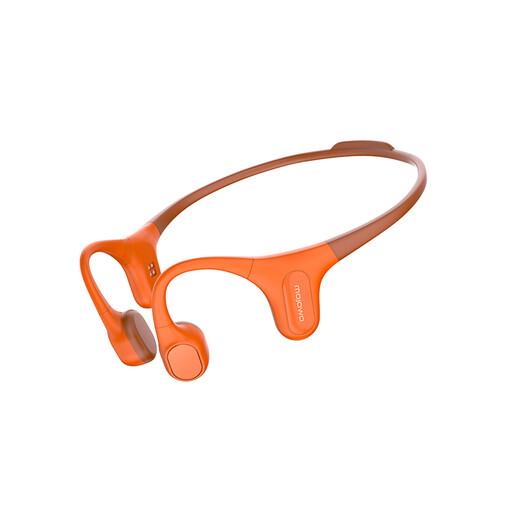
Why it's a great choice: Designed for demanding athletes, the Mojawa Run Plus checks all the boxes for swimming: certified IP68 waterproofing, a 32 GB MP3 player, and solid battery life. It's the smart choice for those who swim laps several times a week.
It includes a dedicated MP3 mode for underwater listening and a IP68 certification (submersible up to 2 metres), eliminating problems with Bluetooth connectivity and inadequate waterproofing.
It is distinguished by its equalization (EQ) mode, specially calibrated for swimming, which adjusts the audio profile for optimal clarity underwater.
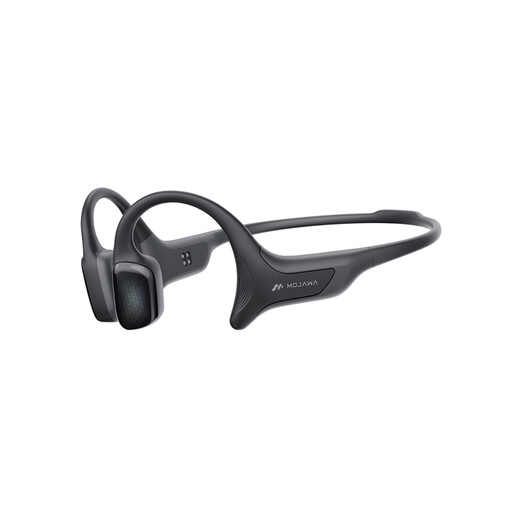
Why it's a great choice: Perfect for athletes who juggle swimming, cycling, and running. It offers ideal versatility with its MP3 mode for the water and Bluetooth connectivity for land-based activities, all with an open-ear design for maximum safety.
This model is a true Swiss Army knife. It bypasses the underwater Bluetooth problem with its 32 GB MP3 player, while still offering the convenience of Bluetooth for workouts on dry land.
One device for all your sports. Its open-ear design is an absolute guarantee of safety for outdoor cycling and running.
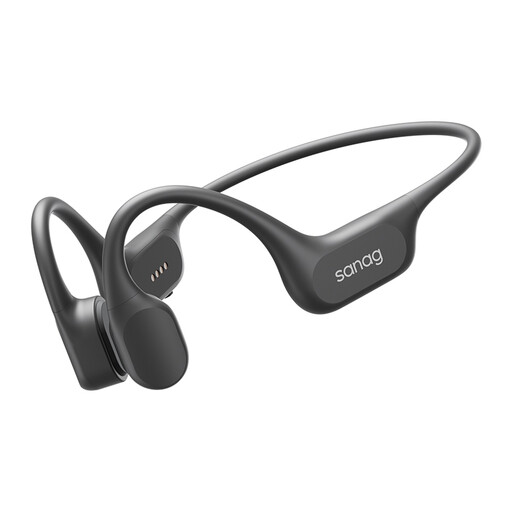
Why it's a great choice: For those with a massive music library who refuse to compromise on storage. This model, built for swimming, offers an exceptional storage capacity.
Clearly positioned as headphones "for swimming," its waterproof design and integrated MP3 player leave no room for doubt about its primary use.
Its 64 GB storage capacity is its knockout feature, allowing you to carry a nearly limitless music library to spice up the longest training sessions.
We've compiled a full selection of products that meet our strict selection criteria.
The process is incredibly simple. The headphones come with a cable that is used for both charging and data transfer. Connect it to a USB port on your computer, and the headphones will appear as an external drive (just like a USB stick). All you have to do is drag and drop your music files (MP3, FLAC, etc.) into the appropriate folder.
The audio experience is very different from that of traditional earbuds. The sound, transmitted by vibration, can feel less direct. However, many swimmers find the sensation more immersive once in the water. Some models, like the Mojawa Run Plus, include dedicated swimming EQ modes that optimize the output by compensating for the effects of water, delivering a surprisingly clear and pleasant listening experience.
Absolutely, and that's actually one of their biggest strengths. Their open-ear design is a major safety advantage for outdoor activities like running or cycling. You can listen to your music or podcasts while remaining fully aware of traffic noise, other athletes, or any audible alerts in your environment.