
Livraison le jour même ou le lendemain

Qualité garantie

Débloquez vos offres de bienvenue: Livraison GRATUITE | Jusqu'à -80 % | 30 jours d'essai gratuits à JoyPlus
Téléchargez l'application
Running along a road, cycling in the city or training indoors with traditional headphones can cut you off from important sounds. Bone conduction Bluetooth headphones for sport, much like open-ear models, solve this problem by leaving your ear canal free. You can listen to music or take a call while still being aware of your surroundings.
Product listings, however, can create confusion between bone conduction, open-ear listening, noise reduction and water resistance. Here are the points to consider before buying, followed by a selection tailored to different uses.
Certifications such as IPX7, IP67 or IPX8 correspond to very specific test conditions. They do not automatically mean the headset can be used for swimming.
After a session in the water or heavy rain, dry the charging contacts thoroughly before plugging in the magnetic cable.
With an open-ear headset, ambient sounds remain audible. Noise reduction often applies to the microphone and call clarity, rather than to what the wearer hears.
This design is useful for running headphones, cycling or hiking. It does not, however, mean you can let your guard down. In traffic, near a tram or on a shared road, keep the volume at a reasonable level and remove the headset when your full attention is needed for driving.
Bone conduction transmits vibrations through the areas near your cheekbones. If the headphones move, the perceived volume and bass levels can change. A too-rigid headband can also become uncomfortable over a long outing.
When choosing running headphones or a Bluetooth headset for cycling, check in particular:
A stated battery life of 8 to 12 hours is generally enough for several workouts, but the actual duration depends on listening volume, calls and the mode used. Bluetooth is suitable for running, the gym and cycling. For swimming, choose a model with 32 GB MP3 storage or equivalent internal memory.
Also check the file transfer method. Some headsets are recognised as removable drives when connected to a computer, while others use a dedicated app.
The IP rating is usually shown as two digits preceded by “IP”, or an “X” when one of the protections is not specified. The first digit relates to particles, while the second indicates water resistance. Only compare ratings that are clearly stated on the product page.
A waterproof bone conduction headset should never be submerged beyond the stated limits. Salt, chlorine and sweat can also damage the charging contacts. After any water-based activity, rinse the device with fresh water and dry it thoroughly.
A headset with a microphone makes calls easier during a walk or a gentle workout. Conversation quality, however, depends on wind, distance from the phone and surrounding noise levels.
Voice control, multipoint connection or noise reduction are handy features, but they are not guarantees of perfect performance in every situation. Avoid prolonged listening at high volume and give your ears regular breaks.
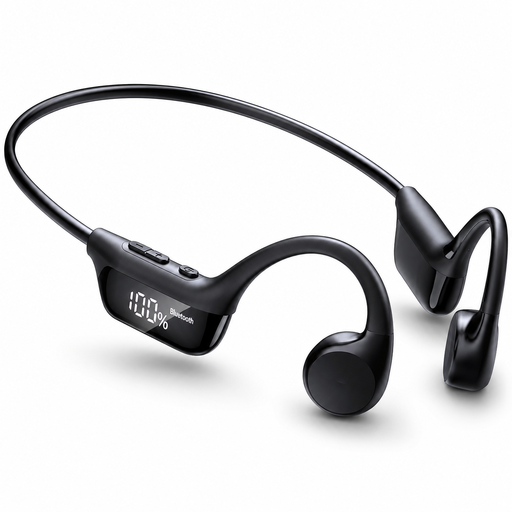
Why this model suits this profile: its open design and stated 12-hour battery life are ideal for everyday running, gym or cycling sessions.
The listing clearly mentions a microphone, an open structure and IPX7 protection. The latter, however, must be interpreted in light of the stated usage limits.
Stated Bluetooth 6.0, LED display and battery life of up to 12 hours.
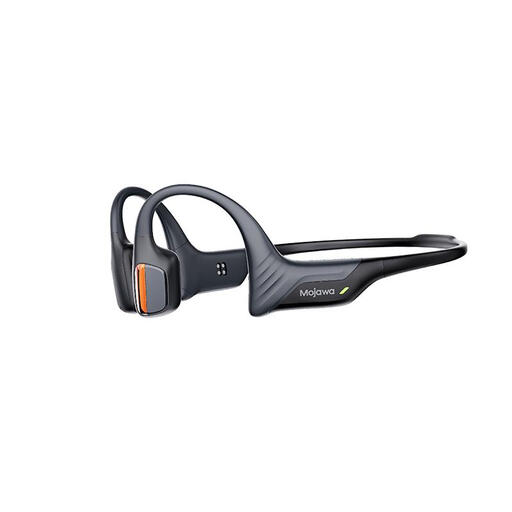
Why this model suits this profile: its reinforced headband is designed for frequent workouts, running and cycling, without anything inserted into the ear canal.
The listing mentions a microphone, voice control and IP67 protection, without presenting the product as a swimming headset.
Built-in microphone, voice control and stated IP67 resistance against sweat, rain and dust.

Why this model suits this profile: it combines Bluetooth with internal memory so you can listen to audio files without your phone during water activities.
The 32 GB memory means you don’t have to rely on Bluetooth underwater. You need to transfer the files and select the right mode before your session.
32 GB internal storage, stated IPX8 protection and built-in microphone with noise reduction for calls.
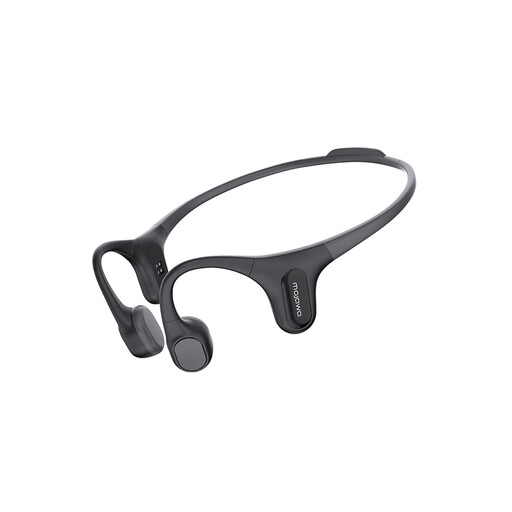
Why this model suits this profile: its 32 GB storage, swimming mode and stated IP68 resistance cover a wide range of workouts, from the pool to outdoor routes.
The listing distinguishes between Bluetooth mode and MP3 mode, which is essential when the headset is submerged. Rinsing after the pool is still necessary.
32 GB memory, stated Bluetooth 5.2, battery life of up to 8 hours and a dedicated swimming equaliser.
Discover our updated selection of products that meet these criteria, with formats suited to running, cycling, the gym and water activities.
Yes, some models are designed to be submerged. However, Bluetooth does not transmit the signal properly underwater. For the pool, choose a headset with MP3 memory and carefully check its protection rating and the presence of a swimming mode.
The models in this selection claim between 8 and 12 hours of battery life, depending on the reference. The actual duration varies with volume, calls, distance from the phone and use of the MP3 player. For daily training, plan to recharge regularly.
Wipe it down after every session. After use in a pool or the sea, rinse it with fresh water, then dry the contacts completely before charging. Store it away from heat and do not attempt to dismantle the battery. For outdoor activities, also check the condition of the headband, buttons and magnetic cable.