
Livraison le jour même ou le lendemain

Qualité garantie

Débloquez vos offres de bienvenue: Livraison GRATUITE | Jusqu'à -80 % | 30 jours d'essai gratuits à JoyPlus
Téléchargez l'application
Running, cycling or swimming to music can make your workout more enjoyable. But not every model sold as bone conduction Bluetooth headphones for sport is designed for the same purpose. Comfort, water resistance and battery life can vary significantly from one model to the next.
Before comparing prices, there are three pitfalls that are particularly easy to avoid.
An IPX5 model is generally fine for sweat and splashes, subject to the manufacturer's recommendations. An IP67 rating adds protection against temporary immersion under specific conditions, but it does not automatically mean the product is suitable for swimming.
To choose headphones for swimming, check that the specifications clearly state compatibility with immersion. Models with built-in memory allow you to play files without a phone, since Bluetooth signals travel very poorly underwater. The Mojawa Run Plus, for example, boasts IP68 protection, 32GB of storage and an MP3 playback mode designed for aquatic activities. It remains essential to respect the depth and immersion time stated by the manufacturer.
After a session at the pool, rinse the headphones with clean water, dry the magnetic contacts thoroughly and never charge them if the port or connectors are still damp.
For Bluetooth headphones for running, a claimed battery life of 7 to 12 hours should be enough for several workouts. However, calls, high volume and connected features can reduce this.
A 32GB internal memory is particularly handy for swimming, hiking or sessions when you'd rather leave your smartphone at home. Do check the compatible audio formats and the file transfer method, though. Bluetooth remains perfectly suited to running, cycling and fitness, while MP3 mode takes over underwater.
A bone conduction headset needs to stay securely in place without putting excessive pressure on your temples. For cycling and running, a flexible rear band or wraparound design helps limit unwanted movement. Clip-on open-ear headphones can be more discreet, but their fit depends more on the shape of your ear.
Even with headphones for cycling and fitness that leave your ears uncovered, keep the volume at a reasonable level. This design makes it easier to hear ambient sounds, but it never excuses you from staying alert in traffic.
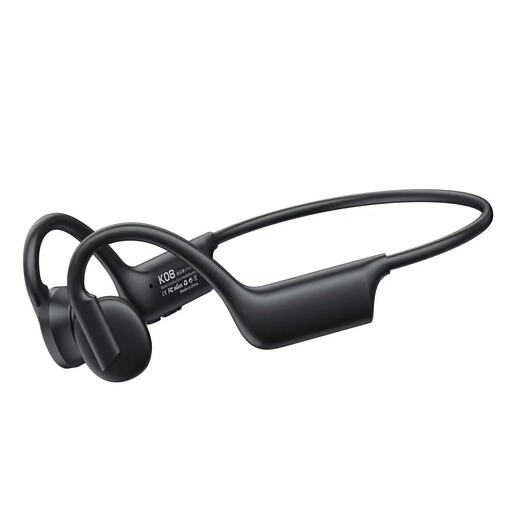
Why this choice suits this profile: its lightweight design and Bluetooth connection cover everyday needs for running, cycling, hiking and the gym.
The spec sheet clearly states open-ear use and IPX5 protection depending on the variant, so it is best not to choose this for immersion or swimming.
Claimed weight of around 25g, built-in microphone, Bluetooth and battery life of up to 7 to 10 hours.
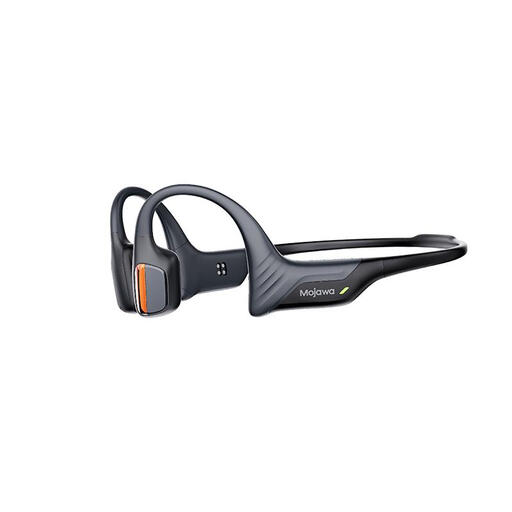
Why this choice suits this profile: it combines a fit designed to keep up with movement, a microphone and audio tuning that promises enhanced bass for training.
Its IP67 rating protects against sweat, rain and dust, but the spec sheet does not intend it for prolonged swimming.
Open-ear design, built-in microphone, voice control and a fit designed for running, cycling and dynamic workouts.

Why this choice suits this profile: its internal memory and claimed IPX8 rating make it suitable for swimmers and athletes who alternate between the pool, running and outdoor training.
With its 32GB, it can play files in MP3 mode without a connection underwater, where Bluetooth no longer works properly.
32GB storage, hands-free calls, swimming mode, open-ear design and claimed battery life of around 8 to 10 hours.
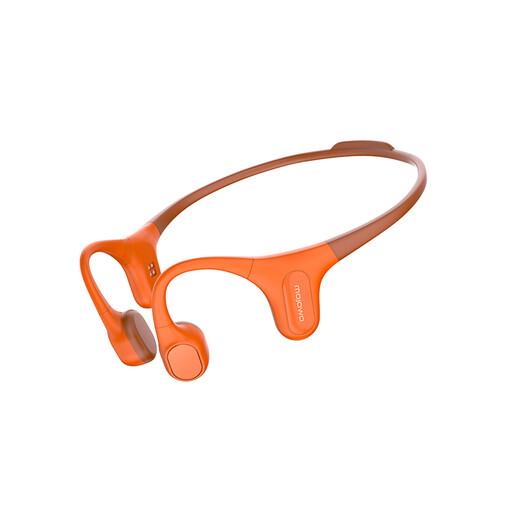
Why this choice suits this profile: switching from Bluetooth to MP3 lets you move seamlessly from a connected workout to a swimming session without your smartphone.
The spec sheet states that Bluetooth does not work underwater and that you need to activate MP3 mode before immersion.
IP68 claimed, 32GB storage, audio modes for swimming, dual-device connection and fast charging as stated in the spec sheet.
We have compiled a comprehensive, real-time updated selection of products that meet these demanding criteria as well as European safety standards.
They can be ideal for runners who want to keep their ears uncovered and hear ambient sounds better. However, you need to check that the fit suits your head shape and the intensity of your movements. If you run near traffic, keep the volume moderate and stay alert to your surroundings.
Bluetooth transmission is severely limited underwater. To swim with music, choose a model with a built-in MP3 player, such as those with 32GB of storage, and transfer your files before your session. Also check the water resistance rating and the depth and immersion time specified in the manual.
This depends on how often you use it, exposure to chlorine, salt and sweat, as well as how well you maintain it. Rinse the headphones after every wet session, dry the contacts before charging and avoid exposing them to high temperatures. The rechargeable battery will also gradually lose capacity, so the real battery life may decrease over time.