
Livraison le jour même ou le lendemain

Qualité garantie

Débloquez vos offres de bienvenue: Livraison GRATUITE | Jusqu'à -80 % | 30 jours d'essai gratuits à JoyPlus
Téléchargez l'application
Running along a road, cycling in the city or training in the gym means you need to stay aware of your surroundings. Bone conduction Bluetooth headphones for sport, like open-ear models, meet this need by leaving your ear canal free. But behind spec sheets that can look similar, there are very different use cases.
Before you place an order, three mistakes crop up time and again: confusing water resistance with actual underwater use, taking the stated battery life at face value, or choosing a model that starts shifting as soon as your pace picks up. Here are the points to examine to find a pair that’s genuinely suited to your activity.
IPX5, IPX7 and IPX8 ratings correspond to different levels of protection. An IPX5 model will generally withstand sweat and moderate rain. An IPX7 device can handle temporary immersion, within the limits set by the manufacturer. As for IPX8, it indicates a higher level of protection, but you must check the permitted depth and duration of immersion in the manual.
For swimming, a waterproof bone conduction headset also needs to offer a suitable playback mode. Bluetooth doesn’t transmit well through water, so you should prioritise headphones with a built-in MP3 player. A high IP rating doesn’t replace this feature.
Listening time depends on volume level, calls, distance from your phone and use of the built-in player. For occasional outings, 5 to 7 hours may be plenty. However, for long sessions and daily commutes, a stated battery life of 8 to 12 hours makes more sense, provided charging is convenient.
Also check the charging system: USB-C port, magnetic cable or charging case. After a particularly sweaty session, the contacts must be completely dry before you plug the device in.
An open-ear headset can take the form of a band that goes behind the head, an ear hook or a clip. Its stability depends on both your anatomy and the sport you’re doing. For running and fitness, go for a secure fit and a lightweight build. On a bike, the lack of pressure in the ear canal is welcome, but keep the volume at a reasonable level so you can still hear traffic and other road users.
Bone conduction transmits vibrations through your cheekbones, with no earbud placed in the ear canal. Open-ear or clip-on headphones, on the other hand, direct sound towards the ear without fully blocking it. Both approaches let you perceive your surroundings better, although sound quality depends heavily on fit, ambient noise and transducer position.
For city outings, compare comfort, fit and call clarity first, rather than relying solely on audio promises. A Bluetooth headset with a microphone lets you answer calls without taking out your phone, but conversation quality will also depend on wind and traffic.
Here’s a handy reminder:
After each session, wipe the headphones with a soft cloth. For the pool or sea, rinse the compatible model with fresh water, then let it dry before storing. Never charge a damp device. Models not designed for swimming must not be used underwater, even if they resist splashes.
An internal memory of 32 GB lets you head out to train without your phone, using compatible audio files. This is what particularly sets Bluetooth headphones designed for swimming apart from models intended only for streaming. Physical buttons, touch surface or voice assistant: choose the option that’s easiest to use during exercise, without distracting you for too long.
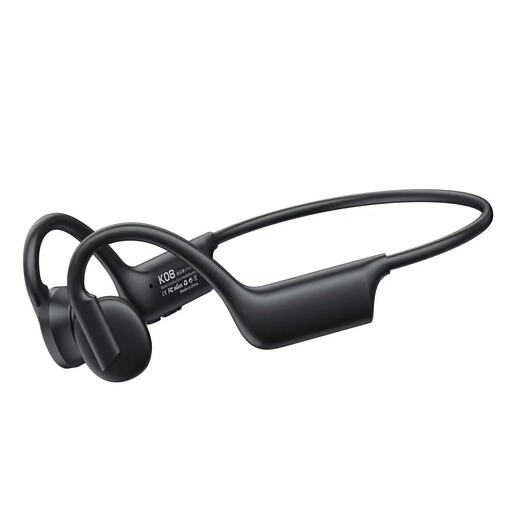
Why this model suits this profile: With a stated weight of around 25 g, its lightweight design is ideal for first running outings, fitness sessions and bike rides.
The spec sheet states an open-ear format, IPX5 resistance depending on the variant and a battery life of around 7 to 10 hours. So it should be reserved for sweat and splashes, not swimming.
Bluetooth, built-in microphone, music and call controls, USB-C charging depending on the configuration.
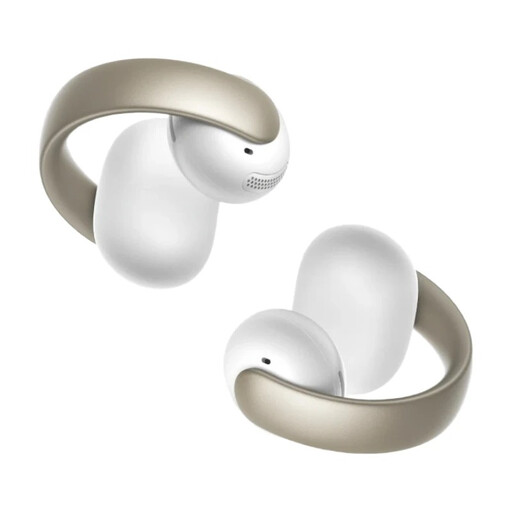
Why this model suits this profile: Its clip-on format is aimed at those looking for a discreet solution for commutes, workouts and everyday calls.
Its open-ring design doesn’t rely on an earbud inserted in the canal. However, it’s still intended for dry use: the provided spec sheet doesn’t mention any immersion certification.
Four microphones, clip-on fit, 12 mm driver and controls suited to Bluetooth calls.
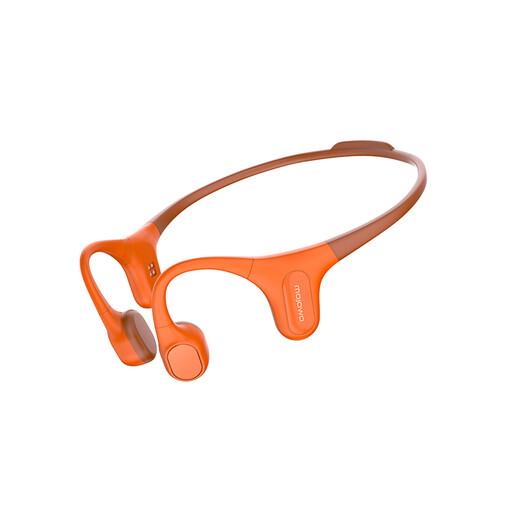
Why this model suits this profile: Its internal memory and IP68 certification make it ideal for swimmers and athletes who want to train without carrying their phone.
The spec sheet states that Bluetooth doesn’t work underwater and that you need to activate MP3 mode before immersion. After the pool, rinsing and drying are still essential.
32 GB storage, swimming mode, Bluetooth 5.2, stated battery life of up to 8 hours and fast charging as indicated by the manufacturer.
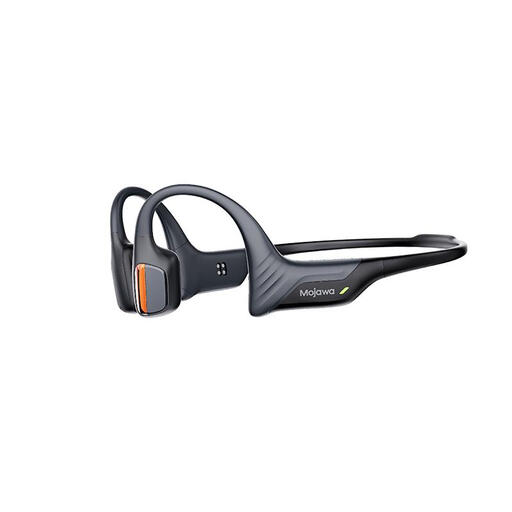
Why this model suits this profile: Its open-ear band and built-in microphone are designed for regular running, cycling and multi-purpose training sessions.
The spec sheet mentions IP67 protection against dust and moisture, while specifying it’s not a model designed for swimming. Make sure to dry it before charging.
Built-in microphone, stated voice control, Bluetooth connection and a fit designed for activities that involve a lot of head movement.
We’ve compiled a complete, real-time updated selection of products that meet these demanding criteria and European safety standards.
They can suit runners who want to keep their ears clear, but they don’t eliminate the dangers of traffic. Keep the volume moderate, stay alert to vehicles and remove them as soon as a situation requires your full attention.
Yes, but only if the model is designed for immersion and has internal memory or an offline playback mode. Since Bluetooth doesn’t work properly underwater, transfer your audio files before the session and follow the rinsing and drying instructions.
It all depends on frequency of use, number of charges, exposure to sweat and maintenance. Avoid leaving damp headphones at the bottom of a bag, protect them from high temperatures and never plug a cable into wet contacts. These precautions reduce premature wear on the battery and connectors.