
Livraison le jour même ou le lendemain

Qualité garantie

Débloquez vos offres de bienvenue: Livraison GRATUITE | Jusqu'à -80 % | 30 jours d'essai gratuits à JoyPlus
Téléchargez l'application
Running in the rain, cycling through town or powering through gym sessions with your ears completely blocked isn’t always practical. Bone conduction Bluetooth headphones for sport and open-ear models let you listen to music or take a call while keeping your ear canal clear.
Behind the marketing promises, however, the differences can be significant. Before buying a pair of Bluetooth headphones for sport, check three often-overlooked points: their true water resistance, how well they stay put during exercise, and the playback mode on offer. Here are the criteria to run through to find a model that suits your training routine.
The IPX5, IP67 and IP68 certifications don’t cover the same uses. An IPX5 device generally withstands water splashes, while an IP67 model can handle temporary immersion under specific conditions. IP68 offers even greater protection, but the permitted depth and duration of immersion depend on the product’s specifications.
Just because a product is labelled ‘sport’ doesn’t mean it’s suitable for swimming. For the pool, look for an explicit mention of immersion capability, as well as an offline playback mode.
Bluetooth signals travel very poorly through water. Waterproof headphones designed for swimming must therefore include an MP3 player, for example with 32GB of storage, so you can listen to music during your lengths.
A standard Bluetooth model will work perfectly for running or fitness. However, it will need to stay connected to a nearby phone and won’t be suitable for listening while submerged.
An open-ear headset can feel comfortable when you’re at rest, but may shift during sprints, jumps or changes of direction. Pay close attention to the shape of the headband, ear hooks or clips, and don’t forget to check the stated weight.
Call quality also depends on the number of microphones, the noise reduction dedicated to conversations, and wind protection. These features can make conversations clearer, but they don’t guarantee perfectly audible speech in the middle of a busy street.
Bone conduction transmits vibrations through your cheekbones, without inserting any earbud into your ear canal. The sound quality is different from traditional headphones, particularly in the bass range and in noisy environments.
Open-ear models project sound near your ear without blocking it. Clip-on headphones, like the Soundcore AeroClip, attach around the outer ear. This design can suit people who dislike the pressure sensation of in-ear headphones.
Whichever format you choose, keep the volume at a reasonable level. An open design doesn’t eliminate the risks of prolonged listening at high volume.
For running, cycling or fitness, an IPX5 to IP67 rating can provide sufficient protection against sweat, rain and splashes, depending on the product’s specifications. For swimming, check for a certification suitable for immersion, such as IPX8 or IP68, along with the manufacturer’s recommendations.
After a sweaty session:
A stated battery life of 7 to 12 hours can cover several sessions, but it varies depending on volume, call duration and the features activated. To train without your smartphone, 32GB of internal storage lets you transfer audio files and switch to MP3 mode.
For calls, check for a built-in microphone. Outdoors, a stable Bluetooth connection and simple controls are often more useful than a long list of rarely used features.
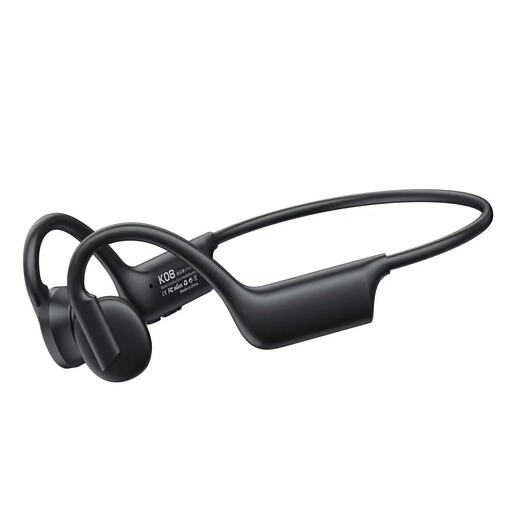
Why this choice suits this profile: Its lightweight design and open headband make it ideal for your first running, power walking or fitness sessions. The controls let you manage music and calls without taking your phone out.
The listing mentions running, cycling and the gym, along with an IPX5 rating depending on the variant: so it’s best reserved for sweat and splashes, and kept away from the pool.
Bluetooth, built-in microphone, stated weight of around 25g and stated battery life of 7 to 10 hours depending on the version.
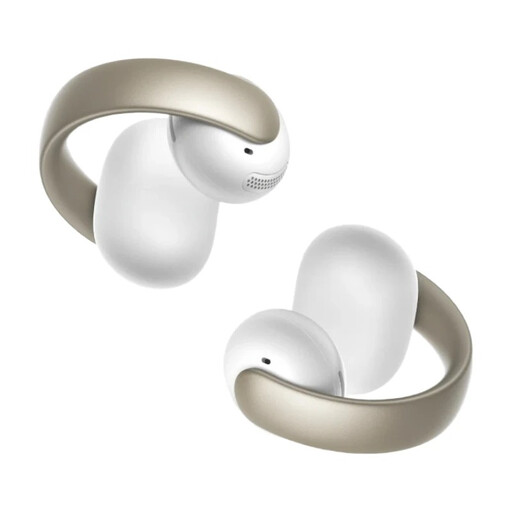
Why this choice suits this profile: Its clip-on format is aimed at those looking for a discreet headset for daily commutes, the office and outdoor activities, without in-ear earbuds.
The open-ring design and flexible structure are designed to keep the headphones in place without putting pressure on your ear canal. However, the product is not presented as a swimming model.
Four microphones, 12mm driver, clip-on fit and a design intended to minimise pressure in the ear canal.
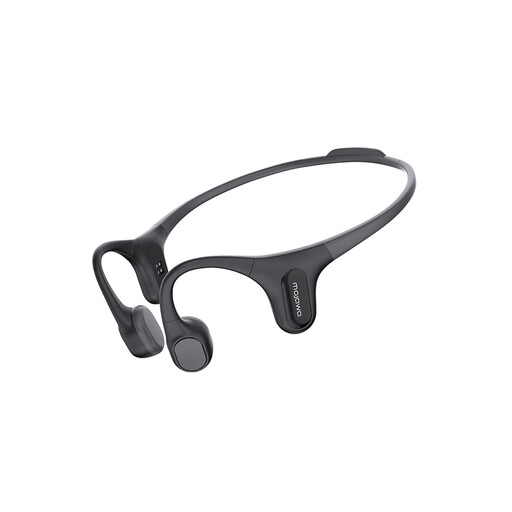
Why this choice suits this profile: It’s aimed at athletes who switch between running, cycling and the gym, including sessions without a phone, thanks to its internal storage and stated protection for swimming.
The listing specifies that Bluetooth doesn’t work underwater: you need to switch to MP3 mode before entering the pool.
Stated IP68, 32GB storage, stated battery life of up to 8 hours, Bluetooth 5.2 and a dedicated swimming equalisation mode.

Why this choice suits this profile: Its open-ear bone conduction format is designed for swimmers, runners and anyone who wants to switch from Bluetooth listening to standalone playback.
The 32GB storage means you don’t have to rely on Bluetooth while swimming. However, make sure to dry the device and its charging port thoroughly before recharging.
Stated IPX8, 32GB MP3 player, built-in microphone, on-board controls and stated battery life of around 8 to 10 hours.
We’ve compiled a complete, real-time updated selection of products that meet these demanding criteria as well as European safety standards.
They can be suitable for running and many outdoor workouts thanks to their open design. However, listening should never drown out surrounding sounds. When cycling, follow the Highway Code and avoid any use that could reduce your attention, especially in traffic.
Switch to MP3 mode before immersion, if the model allows it. After your session, rinse the device with fresh water if the manual permits, then dry the charging contacts thoroughly. Never plug in a cable or charger while the connectors are still damp.
The battery life per charge depends on volume, call duration and temperature. To preserve the battery, use the compatible charging accessory, avoid extreme temperatures and store the device in a dry place. The stated battery life remains an estimate under given conditions, not a guaranteed duration in every situation.