
Livraison le jour même ou le lendemain

Qualité garantie

Débloquez vos offres de bienvenue: Livraison GRATUITE | Jusqu'à -80 % | 30 jours d'essai gratuits à JoyPlus
Téléchargez l'application
Running alongside a road, cycling through town or working out in a busy gym while listening to music involves a delicate compromise. Bone conduction Bluetooth headphones and open-ear models keep the ear canal clear, but they do not all meet the same needs.
Some product listings also blur the distinctions between bone conduction, open-ear headphones and noise reduction. Before placing your order, it is therefore worth checking the technology actually used, water resistance, battery life and how securely the headphones sit on your ears. Here are the criteria to consider to avoid choosing a model that does not suit your everyday life in France.
Open-ear headphones play sound close to the ear without blocking the ear canal. A genuine bone conduction model generally transmits vibrations through transducers positioned near the cheekbones or temples. Over-ear-hook headphones, meanwhile, may use a different design, such as a speaker directed towards the ear.
These product categories have one thing in common: they isolate you from ambient noise less than in-ear models. However, they do not eliminate surrounding sounds completely, and you should of course remain vigilant in traffic.
Listening time varies depending on volume, calls, distance from your phone and the functions enabled. Bluetooth headphones with a microphone used for long conversations will not necessarily last as long as wireless sports headphones playing music at a moderate volume.
For a daily session, a stated battery life of 5 to 7 hours may be sufficient. For longer outings or several training sessions between charges, it is better to choose a higher capacity or a model with built-in music storage.
The IPX5, IPX7, IP67 or IP68 ratings do not provide the same level of protection. Resistance to sweat or splashes is not enough for prolonged immersion. As Bluetooth struggles to function underwater, headphones designed for swimming generally include an MP3 player.
Also check the charging system. A port or magnetic contacts that are still wet should never be connected to a cable or charger.
For headphones designed for running, a secure fit matters just as much as sound quality. A lightweight rear band, ear hook or open clip can minimise movement during exercise. The pressure applied to the temples or behind the ears should also remain comfortable during prolonged use.
Models with a single hook may be suitable for work, calls or moderate activity. For more dynamic training, headphones with a double ear contour generally distribute the weight more effectively and stay more stable.
Compare the stated battery life with how you actually intend to use the headphones. A device with 32 GB of storage lets you transfer MP3 files and listen to music without a phone, which is particularly useful at the pool or when your smartphone is left at home.
For swimming, make sure the product offers a standalone music mode. Bluetooth can be used out of the water, but you should not expect a stable connection during lengths.
Bone conduction headphones described as waterproof should display a clearly stated protection rating on the product listing. According to the manufacturer’s recommendations, an IPX5 model may be suitable for limited exposure to sweat or splashes, while an IP68 product is designed to withstand more substantial immersion. Always observe the precise limitations of the model you choose.
If you make regular phone calls, look for Bluetooth headphones with a microphone and check which features are available: noise reduction during calls, touch controls or multipoint connection. These make everyday use easier, but call quality can vary depending on wind, network coverage and your surroundings.
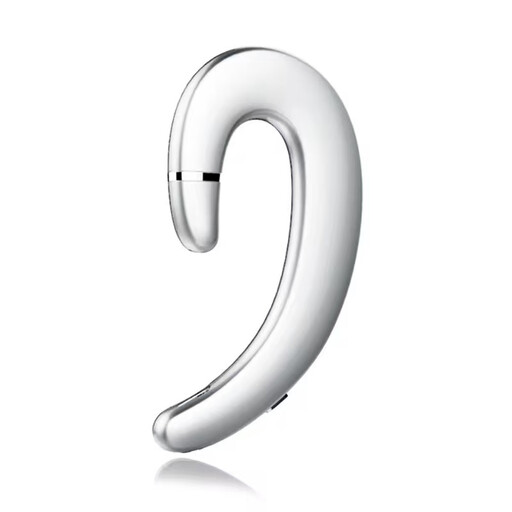
Why this choice suits this profile : With its single hook, this model offers an accessible introduction to open-ear Bluetooth headphones. It can accompany you at work, on your commute or during moderate physical activity.
The listing states Bluetooth 5.4, a range of around 15 metres and 5 to 7 hours of battery life. It also specifies that the product must not be immersed.
Hook design, touch controls, USB-C charging and a single-ear design.
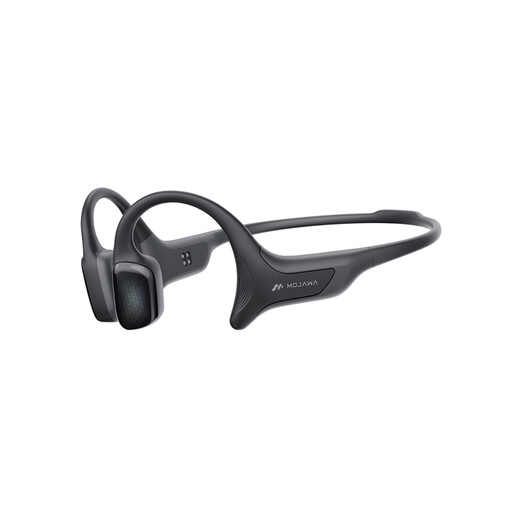
Why this choice suits this profile : Its open design, microphone and 32 GB of MP3 memory are ideal for people who alternate between sports sessions, commuting and phone calls.
The internal memory means you can leave your phone behind during training. The listing nevertheless recommends fully charging the device and checking that it is securely fitted.
32 GB of MP3 storage, built-in microphone, Bluetooth and open-ear design.
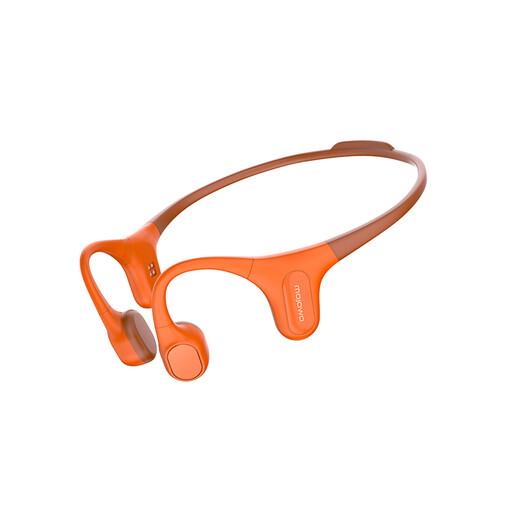
Why this choice suits this profile : These headphones are designed for swimmers and sports enthusiasts who want to listen to music from a standalone player during their sessions.
The listing mentions an IP68 rating, 32 GB of storage and a swimming-specific MP3 mode. Bluetooth must be disabled underwater.
32 GB of storage, swimming mode, stated battery life of up to 8 hours and magnetic charging.
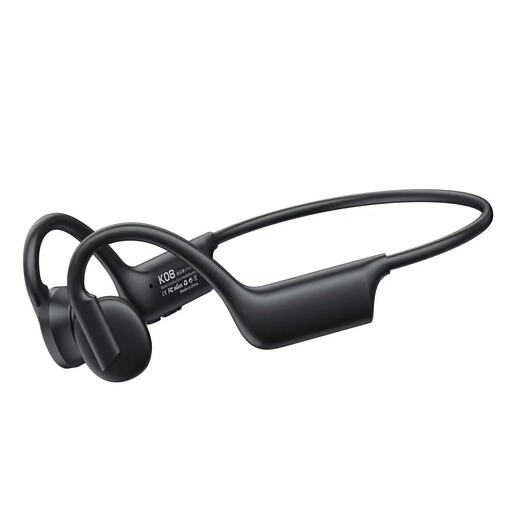
Why this choice suits this profile : Its open design and rear band are made for running, cycling, hiking and outdoor training.
The listing distinguishes outdoor sports use from deep immersion and states IPX5 resistance depending on the variant. This detail should therefore be confirmed before purchase.
Stated weight of around 25 g, built-in microphone, USB-C and battery life of up to 7 to 10 hours according to the listing.
We have brought together a complete, real-time updated selection of products that meet these demanding selection criteria and European safety requirements.
They can suit runners who want to keep their ears clear, particularly thanks to their rear band or hooks. However, stability depends on your physique and the intensity of your movements. If you run near traffic, turn the volume down and stay aware of your surroundings.
Only consider models whose listing states that their protection is suitable for immersion. An IP68 rating combined with a built-in MP3 player, as on the Mojawa Run Plus featured above, is intended for a very different use from a basic sweat-resistant model. Bluetooth should generally not be used underwater.
It depends on how often they are used, the number of charging cycles, exposure to moisture and storage conditions. Drying the contacts, avoiding extreme temperatures and following the manufacturer’s instructions all help preserve the battery and the headphone structure.