
Livraison le jour même ou le lendemain

Qualité garantie

Débloquez vos offres de bienvenue: Livraison GRATUITE | Jusqu'à -80 % | 30 jours d'essai gratuits à JoyPlus
Téléchargez l'application
Swimming with music radically transforms your workout. However, selecting the right headphones for the pool can be a daunting task. Navigating between alluring marketing claims and cryptic technical sheets, you can easily end up with a device that's useless after just a few laps. To help you avoid this pitfall, we've dissected the topic. Follow our guide to sidestep common traps and identify the features that truly matter.
Before you even start looking at models, let's review the mistakes that turn a promising purchase into a major disappointment.
To make an informed choice, focus on these three non-negotiable points. They are the true hallmark of quality for bone conduction headphones designed for swimming.
For swimming, only one IP rating is acceptable: IP68. Period. Here's what it means:
An IP68 waterproof headset is therefore the only kind truly designed to handle lap after lap in the pool, unlike lower ratings that only protect against splashes or a brief drop in water.
As we've seen, Bluetooth is out of the question underwater. The presence of a built-in MP3 player is therefore non-negotiable. Here are the points to check:
A good sports headset should be unnoticeable. The headband, often made of titanium, must provide enough pressure to keep the transducers in place without causing discomfort. This is essential for athletes who also run or cycle and need a stable open-ear cycling headset.
Battery life is also a key factor. Aim for a model offering 6 to 8 hours of playback to get through multiple sessions without worrying about recharging. A fast-charging feature is a real bonus: a few minutes of charging can provide an hour of listening time. Perfect for those last-minute oversights!
Rather than a generic list, here are options tailored to specific user profiles, strictly applying the criteria we've just established.

Why it's the right choice: Built for the pool, this model checks all the boxes: maximum waterproofing, generous storage, and ergonomics designed for aquatic performance.
It combines an IP68 certification (submersible 2m/2h) with a 32GB MP3 player. This allows it to flawlessly avoid the two classic traps: inadequate waterproofing and reliance on Bluetooth.
Its special swimming EQ mode enhances the sound underwater. 8-hour battery life and express charging (5 min for 1h20 of playback).
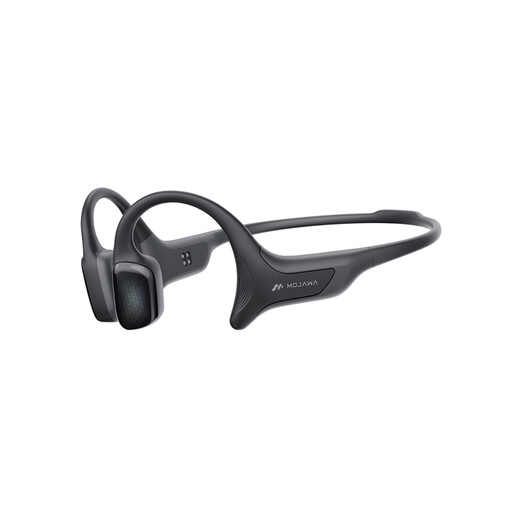
Why it's the right choice: The Swiss Army knife for those who juggle running, cycling, and swimming. It offers the flexibility of Bluetooth for land-based sports and the reliability of MP3 mode for laps in the pool.
Thanks to its dual mode (Bluetooth + 32GB MP3) and IP68 certification, it eliminates compromises. No more choosing between headphones for land and another pair for the water.
Its absolute versatility thanks to the dual mode. Its "smart wearable" concept also integrates intelligent activity tracking.
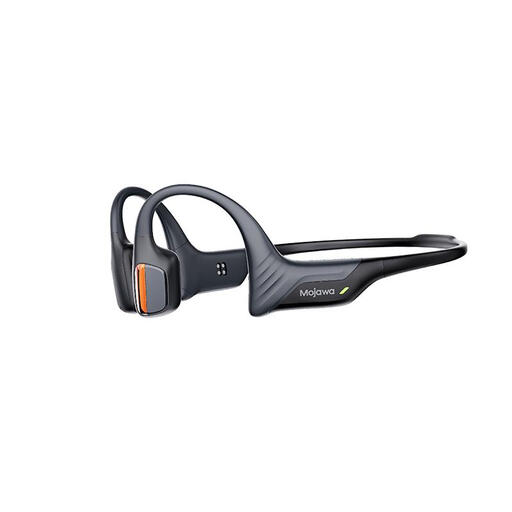
Why it's the right choice: The ideal companion for athletes who primarily train outdoors (running, cycling). It focuses on the safety of open-ear listening and excellent resistance to both sweat and rain.
Its IP67 certification is calibrated for sweat and downpours, without the extra cost of an IP68 model that's unnecessary for out-of-water use. The focus is on an impeccable fit for intense activities.
Its ergonomic design and feather-light weight ensure optimal long-term comfort. The "Deep Bass" technology enriches the sound profile, which is especially appreciated during exertion.
We have analysed and compiled a complete selection of models that meet our demanding selection criteria.
It couldn't be simpler. Connect the headphones to your computer using their magnetic charging cable. They will then appear as an external storage drive, just like a USB stick. All you need to do is open the folder and drag and drop your audio files (MP3, FLAC, etc.).
Yes, and it's often a pleasant surprise! Water, being denser than air, is an excellent conductor for vibrations. As a result, many swimmers describe the sound as richer, fuller, and even more immersive once their head is underwater. Some models, like the Mojawa Run Plus, go a step further by offering a dedicated swimming equalization (EQ) mode that adjusts the sound profile for optimal acoustics in the water.
This is a crucial step to ensure the longevity of your device. Don't skip it! After every session in a pool (chlorinated water) or the sea (salt water), you must rinse your headphones with fresh water. Then, dry them thoroughly with a soft cloth, paying close attention to the magnetic charging contacts. The golden rule: never connect the charging cable if the contacts are still wet. You risk a short circuit that could permanently damage the device.