
Livraison le jour même ou le lendemain

Qualité garantie

Débloquez vos offres de bienvenue: Livraison GRATUITE | Jusqu'à -80 % | 30 jours d'essai gratuits à JoyPlus
Téléchargez l'application
Swimming lap after lap in silence can quickly become monotonous. For many swimmers, music is an essential source of motivation. The problem?is that finding audio gear suitable for the water is often a real challenge. Traditional earbuds are out of the question, and the Bluetooth signal simply doesn't travel through water.
This is where bone conduction headphones for swimming come in. The principle?is simple: they transmit sound through vibrations via your jawbones, leaving your ears open and proving perfectly functional underwater. This guide breaks down the essential criteria for choosing the right pair and introduces the top models for your swimming, running, or cycling sessions.
Before you take the plunge, it's crucial to understand a few key technical features that will make all the difference in your experience.
The Ingress Protection (IP) rating is THE number one criterion for headphones designed for swimming. It consists of two digits; the second one is what matters here, as it indicates the level of protection against water.
As a reminder: Bluetooth does not work underwater. To listen to music while swimming, headphones with internal memory are therefore essential. These MP3 swimming headphones work like a classic music player: you store your tracks directly on them. Check the storage capacity (usually from 8 to 32 GB) to ensure you can bring all your playlists with you.
The advantage of bone conduction technology is that it doesn't block your ear canal. This is a major safety benefit for outdoor activities. With open-ear headphones for running or cycling, you remain aware of your surroundings (traffic, pedestrians, etc.), which significantly reduces the risk of accidents. This feature makes them excellent safety headphones for cycling.
Here are a few models that stand out, with features tailored to different types of athletes.

Why it stands out?: The Mojawa Run Plus was designed for athletes who switch between land and water. Its high waterproof rating and generous storage capacity make it a top choice for long swimming sessions.
Key features?:
Who is it for? Ideal for regular swimmers, triathletes, and versatile athletes looking for a high-performance device that can keep up with all their disciplines without compromise.

Why it stands out?: The Verbex X7S presents itself as a highly focused solution for aquatic activities, banking on its IPX8 certification and built-in memory without neglecting the features of a modern sports headset.
Key features?:
Who is it for? For athletes who prioritise swimming and are looking for reliable, waterproof headphones with large storage capacity for their workouts.
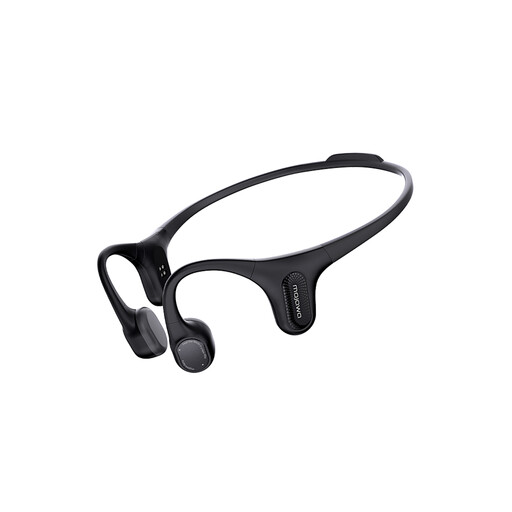
Why it stands out?: While not designed for swimming, the Mojawa Aerra is an excellent option for runners and cyclists. Its open-ear design and water resistance (rain, sweat) make it a safe and comfortable choice for outdoor workouts.
Key features?:
Who is it for? For runners, cyclists, hikers, and gym-goers looking for secure, water-resistant sports headphones who don't need a model for swimming.
If the models featured here don't check all your boxes or if you want to explore other types of headphones, feel free to browse our complete selection. You'll find a wide variety of models to suit all needs and budgets.
? Explore our Wireless Bluetooth Headsets with Mic category
Absolutely not. Even if headphones are certified waterproof, the Bluetooth signal does not travel more than a few centimetres through water. This is why bone conduction headphones for swimming must include a built-in MP3 player to work while submerged.
Yes, this technology is perfectly safe. It bypasses the eardrum to transmit sound directly to the inner ear, which can even reduce listening fatigue compared to in-ear headphones. Of course, it is still advisable to listen at a moderate volume to protect your hearing in the long term.
After each session in a pool (chlorinated water) or the sea (salt water), rinsing with fresh water is a crucial step. Then, carefully dry your headphones with a soft cloth, paying close attention to the magnetic charging connectors. Most importantly, never plug in the cable if the port is still wet: this is the surest way to cause corrosion and short circuits.
Written by the Joybuy product experts
Our mission: to provide you with objective and practical buying advice to help you navigate the complex world of high-tech products.