
Livraison le jour même ou le lendemain

Qualité garantie

Débloquez vos offres de bienvenue: Livraison GRATUITE | Jusqu'à -80 % | 30 jours d'essai gratuits à JoyPlus
Téléchargez l'application
Swimming to music or a podcast is an excellent way to set a rhythm for your laps and stay motivated. However, choosing audio equipment suitable for an aquatic environment can quickly turn into a real headache. On paper, the marketing promises are appealing, but few stand up to the test of chlorine. As high-tech experts, our mission is to help you cut through the noise and identify the features that truly matter.
Before we dive in (no pun intended), here are the 3 most common pitfalls to avoid:
To make the right choice, you need to focus on a few key technical points. These are what will guarantee the performance and longevity of your future bone conduction headphones for swimming.
The Ingress Protection (IP) rating is an international standard that classifies a device's level of protection against solids (first digit) and liquids (second digit). For swimming, an IP68 rating is more than recommended—it's essential.
An IP68 waterproof audio headset is therefore the only kind truly designed to withstand the conditions of a swimming session, unlike lower ratings that only protect against splashes or a brief drop in water.
As we've seen, Bluetooth is a non-starter underwater. The only viable solution is to opt for a 100% standalone model. The waterproof MP3 player for swimming is THE essential feature. These headphones have built-in internal memory where you can store your music and podcasts directly.
Remember to check the storage capacity. A headset with a 32 GB integrated MP3 player, for example, can hold thousands of songs. That's more than enough to vary your playlists and never run out of content, even for a triathlete in full training mode.
Bone conduction technology transmits sound through vibrations via the jawbones, leaving the ear canal completely open. These open-ear sports headphones offer two major advantages:
For headphones built for running and swimming, the headband design and weight are just as crucial. A lightweight model with a flexible titanium headband will provide a stable fit without creating uncomfortable pressure points.
Every athlete has specific needs. Here is a selection of products that meet our performance and reliability criteria for use in the pool.
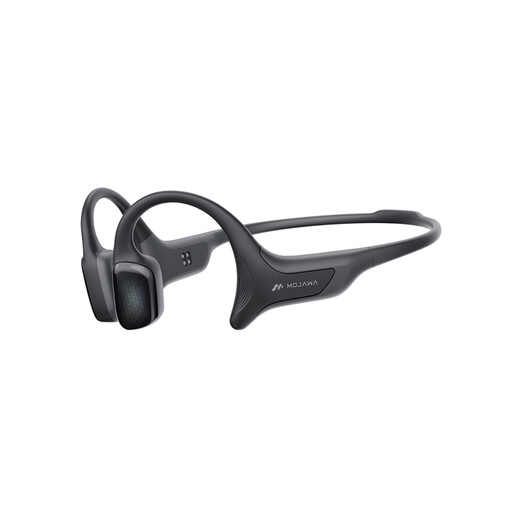
Ideal for those who juggle the pool, running, and the gym. This model cleverly combines a Bluetooth mode (for land-based activities) and an MP3 mode (for swimming).
With its IP68 rating and 32 GB MP3 player, it's built for immersion. Say goodbye to underwater Bluetooth connection issues and waterproofing worries.
Its versatility, thanks to the dual MP3/Bluetooth mode. Its stable design adapts to all sports.
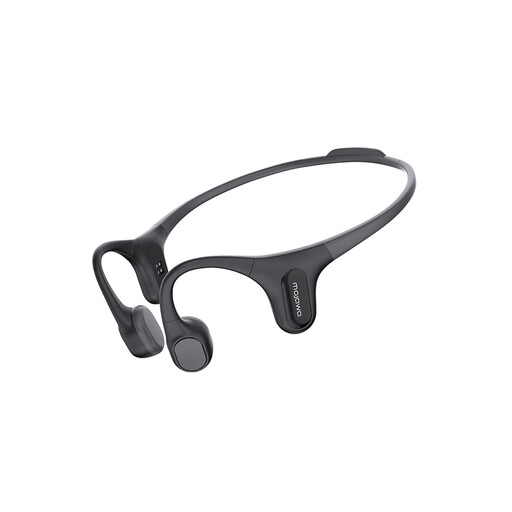
Designed for those who prioritize performance and comfort during long sessions. Its design is optimized for a flawless fit, even during flip turns and sprints.
IP68 certified and equipped with a 32 GB MP3 player, it ensures perfect listening while immersed, with no reliance on Bluetooth. Its thoughtful ergonomics prevent any slippage, a common pitfall of less well-designed models.
A rock-solid fit for intensive training. Audio quality with a strong bass presence, ideal for keeping the pace.
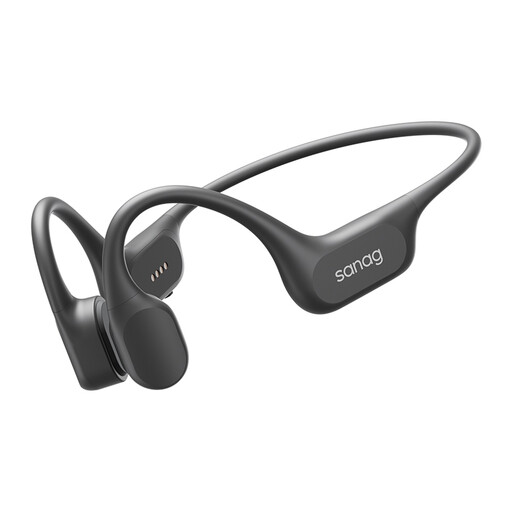
For swimmers who want to bring their entire music library or hours of podcasts with them. Its XXL storage capacity puts it in a class of its own.
This model is 100% designed for swimming and includes an ultra-generous MP3 memory. It eliminates frustrations related to Bluetooth or limited storage right from the start.
Its massive storage capacity (64 GB). Perfect for marathon sessions or for never having to make tough choices about your playlist again.
We have curated a complete range of products that meet our most demanding selection criteria.
Absolutely, provided you choose a model specifically designed for this purpose. Check that it has an IP68 waterproof rating and, most importantly, an integrated MP3 player. A headset that relies only on Bluetooth will be unusable once your head is underwater.
It couldn't be simpler. Once connected to a computer via its charging cable, the headset is automatically recognized as a USB drive. You can then simply drag and drop your audio files (MP3, FLAC, WAV, etc., depending on compatible formats) into the device's folder.
Sound perception is obviously different underwater. However, bone conduction offers a surprisingly clear listening experience because the sound is transmitted by vibration and isn't muffled by water entering the ears. The final result will largely depend on how the headset fits on your cheekbones. Proper positioning is the key to getting rich sound and present bass.