
Livraison le jour même ou le lendemain

Qualité garantie

Débloquez vos offres de bienvenue: Livraison GRATUITE | Jusqu'à -80 % | 30 jours d'essai gratuits à JoyPlus
Téléchargez l'application
For many swimmers, listening to music while swimming laps is the ultimate motivation. But finding the right gear can often be a puzzle. Between marketing promises and technical jargon, it's easy to make a mistake and end up with a device that dies on the first dive. As a product expert at Joybuy, my mission is to help you cut through the noise and identify the criteria that really matter so you can make the right choice.
Before you dive in, here are the two common pitfalls that make most headphones completely unsuitable for swimming:
To make the right choice, two technical specifications must be examined closely. They are what separate true swimming headphones from a simple sports model designed for the outdoors.
The IP rating is the standard that defines a device's resistance to water and dust. For pool use, the verdict is clear:
As we've seen, Bluetooth is out of the game underwater. A true bone conduction headset for swimming must therefore function as a standalone swimming MP3 player. Here are the points to check:
Rather than a jumbled list, we've matched specific models to user profiles to help you find the perfect fit.

Why it's the right choice: Designed for athletes who spend as much time in the water as on dry land. Its dual functionality and robustness make it a reliable training partner for long swimming, cycling, and running sessions.
It combines an IP68 rating (submersible up to 2 meters) and a 32GB MP3 player. This avoids the two major deal-breakers: it's truly waterproof and completely autonomous underwater.
Special swimming EQ mode to optimize sound underwater. Fast charging (5 min for 80 min of playback).
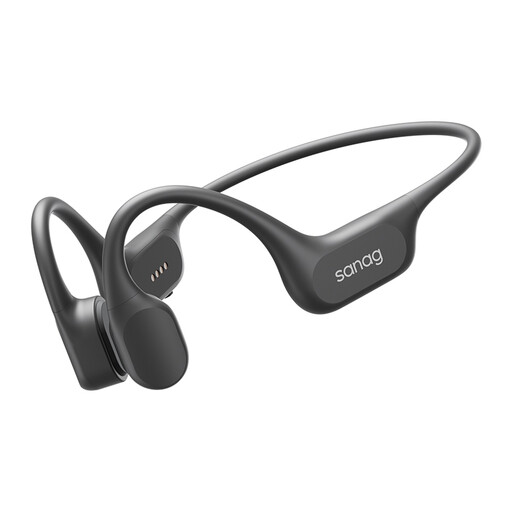
Why it's the right choice: Ideal for the user who wants to carry their entire music library. Whether for a marathon, a long bike ride, or hours in the pool, its massive storage capacity eliminates any need to compromise.
This model is built for swimming, with an appropriate waterproof rating and an MP3 player mode. Its 64GB of memory puts it in a class of its own for those who never want to run out of music.
XXL storage capacity (64GB). Versatile design for all sports, including swimming.
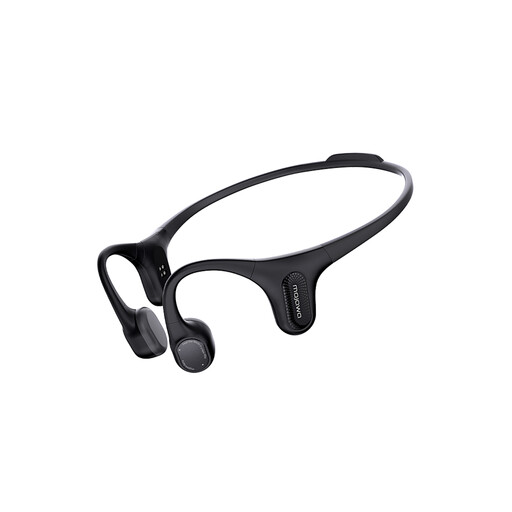
Why it's the right choice: Perfect for the athlete who primarily trains outdoors (running, cycling) and needs a headset that can withstand a heavy downpour or intense sweat, while keeping their ears open to stay aware of their surroundings.
This model doesn't pretend to be a swimming headset. Its IP67 rating is clearly positioned for temporary immersion resistance, which is more than enough for rain and sweat, without creating false expectations for the pool.
Lightweight and secure design for high-motion activities. The IP67 rating offers true peace of mind for training in all weather conditions.
Discover our complete selection of products that meet these demanding criteria and current safety standards.
Most models use a magnetic charging cable that also functions as a data cable. Simply connect the headset to a USB port on your computer. Your headset will then appear as an external storage drive, just like a simple USB stick. All you have to do is drag and drop your audio files (MP3, WAV, FLAC, etc.) into the headset's folder.
Sound perception is radically different underwater. Bone conduction is particularly effective in this environment because water helps transmit the vibrations. The sound is often perceived as richer and more immersive than in the open air. Some models, like the Mojawa Run Plus, even offer a specific swimming equalization (EQ) mode to optimize the sound rendering and compensate for the different perception of low frequencies.
Yes, but you must follow one golden rule. Both salt and chlorine are corrosive. After each use in salt water or a chlorinated pool, it is imperative to rinse your headset thoroughly with fresh water and dry it completely, especially the magnetic charging connectors. Never plug in the charging cable if the connectors are still damp or show any salt residue.