
Livraison le jour même ou le lendemain

Qualité garantie

Débloquez vos offres de bienvenue: Livraison GRATUITE | Jusqu'à -80 % | 30 jours d'essai gratuits à JoyPlus
Téléchargez l'application
Want to listen to your favourite playlist without cutting yourself off from the outside world??It's a common dilemma for many athletes. Traditional earbuds isolate you, which can be dangerous during a bike ride or a run in the city. The solution:?bone conduction sports headphones.
How do they work??Sound is transmitted via vibrations through your cheekbones, leaving your ear canal completely open. The result:?you can enjoy your music or podcasts while remaining fully aware of your surroundings, from traffic to other people.
This guide is designed to help you choose the right open-ear headphones for your activities. We'll break down the essential technical features and present our selection of the top models for 2026.
Before you dive in, let's review the key technical points that will make all the difference during your workouts.
The Ingress Protection (IP) rating is the standard that measures a device's resistance to dust and water. For Bluetooth sports headphones, this is a non-negotiable feature.
If you're a swimmer, this point is crucial. The Bluetooth signal simply does not travel through water. As a result, standard Bluetooth headphones are useless in the pool. To listen to music during your laps, you absolutely need waterproof headphones with internal storage (an MP3 player). You can then simply transfer your tracks to the device and enjoy them completely independently, without relying on your phone.
Good sports headphones should be so comfortable you forget you're wearing them. Look for lightweight models (usually around 30?grams) with a band that is both flexible and durable, often made of titanium. The design must ensure a perfect fit without creating uncomfortable pressure points, whether you're in a full sprint or on a rugged mountain bike trail.
Here are a few models that stand out from the crowd and meet very specific needs.
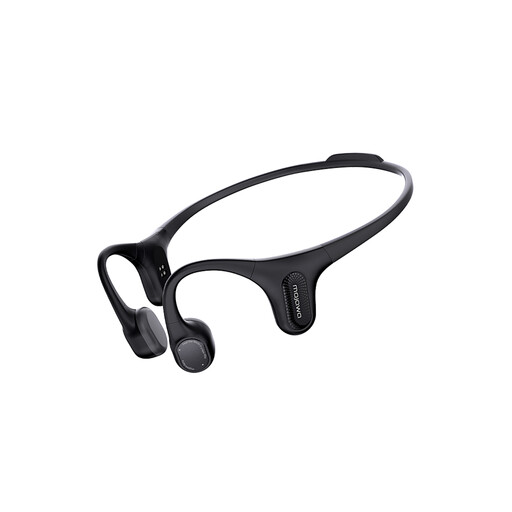
Why it stands out: The Mojawa Aerra is the epitome of a versatile bone conduction sports headphone. Certified IP67, it's equipped to handle both sweat and downpours, making it a prime companion for runners and cyclists. Its design is engineered for a rock-solid fit during exercise, without ever sacrificing comfort.
Advantages:
Who is it for? Athletes (runners, cyclists, hikers) looking for high-performance, durable Bluetooth sports headphones for their outdoor activities, who don't need a submersible model for swimming.
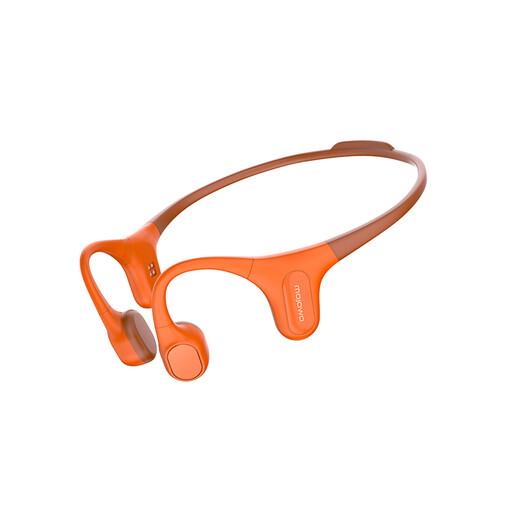
Why it stands out: The Mojawa Run Plus is the answer for the most demanding athletes, especially swimmers. Thanks to its IP68 certification, it is fully submersible. But its real trump card is its 32GB of internal storage, which transforms it into a 100% standalone MP3 swimming headphone. No need to keep your phone nearby, whether you're in the water or on the running track.
Advantages:
Who is it for? Swimmers, triathletes, and any athlete who wants total freedom. It's the ideal solution for training with music in the water or simply leaving your smartphone in the locker.
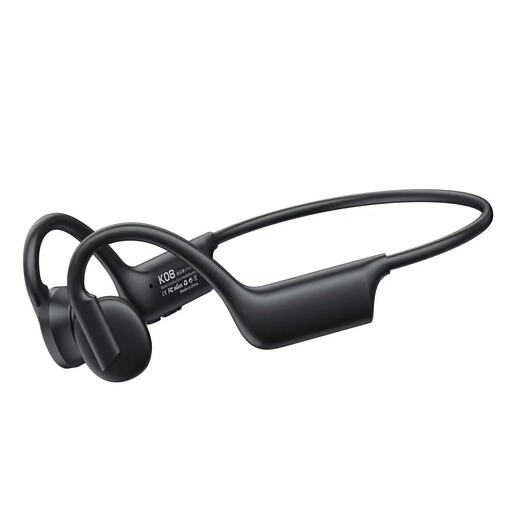
Why it stands out: The Verbex K08 is an excellent entry point into the world of bone conduction headphones. Ultra-lightweight, it packs the essentials:?Bluetooth connectivity, a microphone for calls, and sweat resistance (IPX5).
Advantages:
Who is it for? Those new to bone conduction or who have moderate sports usage (gym, occasional jogging). It's a smart choice to enjoy the benefits of open-ear headphones without needing heavy-duty waterproofing.
Our selection covers several needs, but the market for wireless bone conduction headphones is much larger. To explore other models, compare brands, or hunt for specific features, feel free to browse our full catalogue.
Discover our complete collection of wireless bone conduction headphones
The listening experience is very different from in-ear headphones. The sound, especially the bass, is felt more as a vibration than heard directly. For a pure audiophile experience, this isn't the technology to choose. However, in a sports context, the clarity for voices (podcasts, calls) and the overall audio quality are more than sufficient, and the gain in safety is immense.
At a normal or moderate listening volume, sound leakage is minimal, almost unnoticeable to those around you. If you turn the volume all the way up, a slight leak may be audible, as with most open-ear type headphones.
Absolutely, and that's their main selling point. By leaving your ears completely open, they allow you to stay alert to surrounding sounds:?cars, bikes, pedestrians, horns... This heightened awareness is a major safety advantage, whether you're using headphones for running in the city or cycling headphones on the road.