
Livraison le jour même ou le lendemain

Qualité garantie

Débloquez vos offres de bienvenue: Livraison GRATUITE | Jusqu'à -80 % | 30 jours d'essai gratuits à JoyPlus
Téléchargez l'application
Want to listen to your favourite playlist while staying aware of your surroundings during a run or bike ride? It's a real challenge. By isolating you from the outside world, traditional headphones can hide obvious dangers: an approaching car, another cyclist overtaking you... This is precisely where bone conduction headphones for sports come in.
Also known as "open-ear" technology, it transmits sound not through the ear canal, but via vibrations along the jawbones to the inner ear. The result: your ears remain completely uncovered. This allows you to enjoy your music while staying perfectly alert and aware of your environment.
This guide is here to help you understand the options and find the model that's perfectly suited to your activities, whether you're a fan of running, cycling, or even swimming.
Before making a purchase, it's essential to understand a few key technical criteria that will make all the difference depending on your use case.
For Bluetooth sports headphones, resistance to water and sweat isn't an option—it's a must-have. This resistance is indicated by the Ingress Protection (IP) rating, a two-digit code. For sports, the second digit is the one that matters most:
Battery life is a crucial factor, especially if you enjoy long training sessions. Most models last between 6 and 8 hours, which covers the majority of needs.
Connectivity is the other major point to check. Almost all bone conduction headphones operate via Bluetooth. The catch? Bluetooth signals don't travel through water. That's why models designed for swimming come with their own built-in MP3 player. You just need to transfer your tracks to the device's internal memory to swim with music, without relying on your smartphone.
Good open-ear headphones must stay perfectly in place, even during the most intense movements. The majority of models feature a neckband design, which ensures excellent stability. More recent models, in the form of ear clips, offer an interesting alternative for those who dislike the neckband style. Weight is also a factor to consider: lightweight headphones will quickly be forgotten during your workout.
To guide you, we've reviewed several models based on their technical specifications and their suitability for each sport.
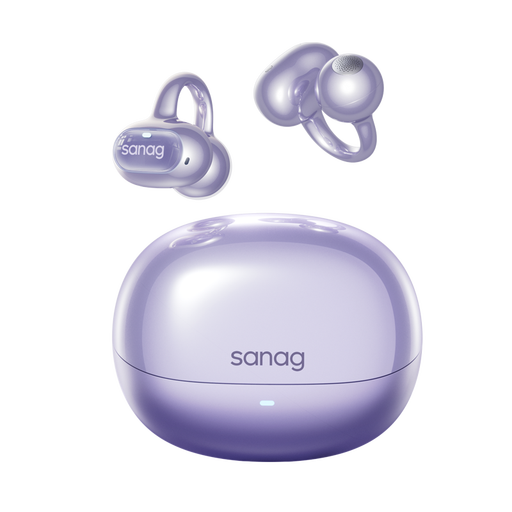
Why it stands out: The Sanag S8S Ultra stands out with its innovative "ear clip" design. Unlike traditional neckband models, it clips directly onto the outer ear. This open design provides an unmatched feeling of lightness and freedom, while leaving the ear canal completely clear.
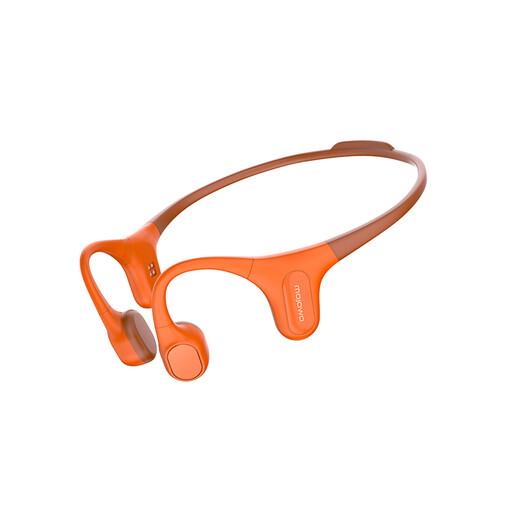
Why it stands out: The Mojawa Run Plus is built for aquatic environments. Its IP68 certified waterproofing allows for immersion up to 2 metres, while its built-in 32GB MP3 player frees you from the limitations of Bluetooth underwater.
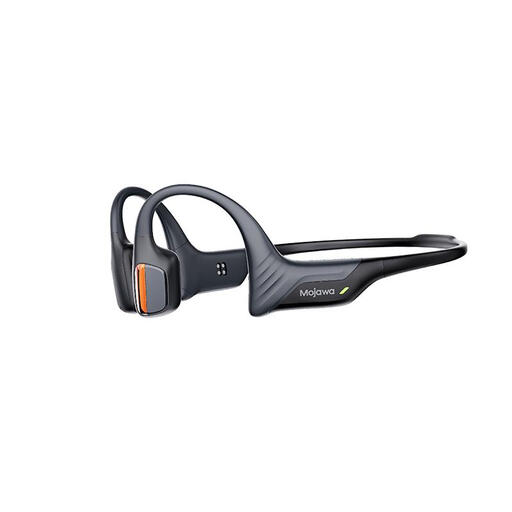
Why it stands out: The Mojawa Purra Run is an excellent ally for land-based sports. Certified IP67, it can handle both sweat and rain, making it a reliable companion for your runs or bike rides. Its design was engineered for an impeccable fit during exercise.
Our selection highlights a few flagship models, but the bone conduction market is vast and constantly evolving. To discover a wider range and compare other options, feel free to explore our full category.
? Discover the full range of Bone Conduction Bluetooth Headphones
The sound perception is indeed different. Bone conduction can sometimes struggle to reproduce bass as deep as in-ear headphones, which are naturally more isolating. However, the clarity of vocals and mids is often excellent. Manufacturers are constantly improving the sound performance, and many models today offer a very compelling listening experience for sports. The key advantage remains safety, a trade-off many athletes are willing to make.
Yes, absolutely. Most models have a thin, flexible neckband that fits behind the head, with the transducers resting just in front of the ears. This design allows them to be worn very comfortably with sunglasses, prescription glasses, or even a bike helmet, without creating uncomfortable pressure points.
By leaving the ear canal open, this technology does indeed avoid direct acoustic pressure on the eardrum. This can therefore reduce listening fatigue during extended sessions. However, as with any audio device, it's still not recommended to listen at full volume for extended periods. Their main safety benefit remains the awareness of surrounding sounds, a decisive advantage for any outdoor activity.