
Livraison le jour même ou le lendemain

Qualité garantie

Débloquez vos offres de bienvenue: Livraison GRATUITE | Jusqu'à -80 % | 30 jours d'essai gratuits à JoyPlus
Téléchargez l'application
By the Joybuy Team, Your Tech ExpertsPublished July 14, 2026
Running with music is a great motivator. But in the city, shutting yourself off from the outside world is a bad idea. Traditional earbuds block ambient noise, reducing your awareness of traffic and other dangers. Not to mention the discomfort of in-ear models after an hour of exercise... This is precisely where bone conduction headphones for sports come in.
This technology, along with open-ear headphones, allows you to enjoy your music and podcasts without being cut off from your surroundings. Whether you're a runner, cyclist, swimmer, or simply looking for a more comfortable solution for calls, there's a model out there for you.
This guide is here to help you navigate the various options and find the perfect headphones for your sport and daily life.
Before diving into our top picks, let's review the key criteria for making the right choice.
Although often grouped under the same category, these two types of headphones work differently:
The final choice will depend on your personal preference and intended use.
The Ingress Protection (IP) rating measures a device's resistance to water and dust. For sports, this is a non-negotiable feature.
A waterproof Bluetooth sports headphone with a high rating guarantees better durability, even during the most intense workouts.
Good sports headphones should be so comfortable you forget you're wearing them. Make sure the model you choose is lightweight and designed for a stable fit during exercise. For cycling safety, it's crucial that the headphones don't shift, even on rough terrain, and remain compatible with a helmet and glasses. The open-ear concept is a major safety advantage here, as it allows you to hear approaching vehicles.
Here are a few models that stand out, each tailored to specific needs.
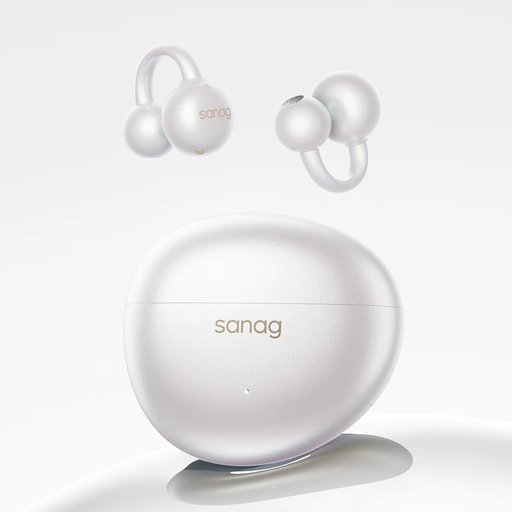
Why it stands out The Sanag S7S is much more than just a pair of sports headphones. Its translation feature, accessible via a dedicated app, makes it an excellent companion for traveling athletes or professionals working internationally. Its bone conduction technology is paired with excellent battery life, perfect for long outings.
Key features:
Best for: Nomadic athletes, multilingual professionals, and anyone looking for headphones that can seamlessly transition from a morning jog to an international video call.
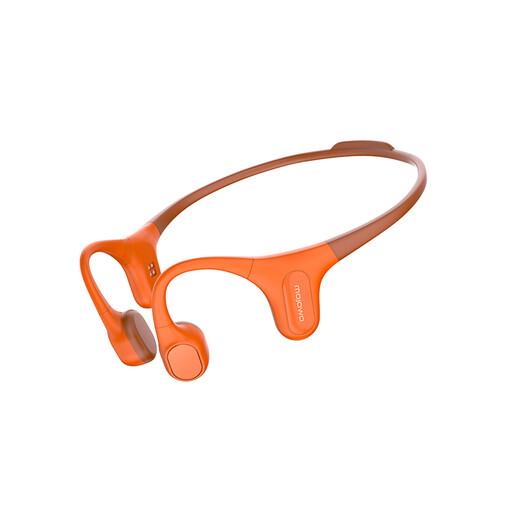
Why it stands out The Mojawa Run Plus is built for the pool and aquatic environments. With its IP68 certification, it is fully submersible. Its ace in the hole? A 32GB internal storage that lets you load thousands of tracks and swim to your music, completely phone-free.
Key features:
Best for: Swimmers and triathletes, first and foremost. But it's also an excellent option for runners and cyclists who want to train light by leaving their smartphone at home.
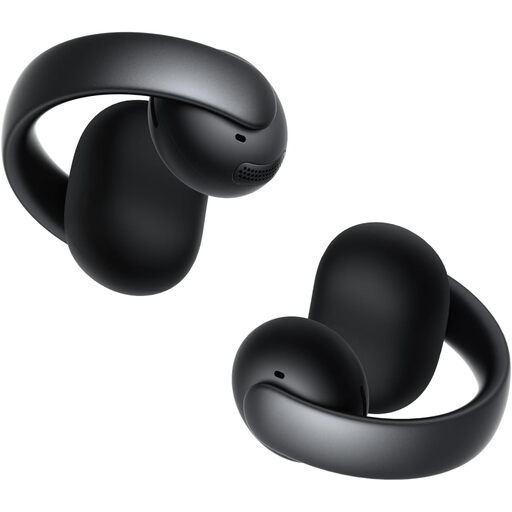
Why it stands out The Soundcore AeroClip uses air conduction with a clip-on design that rests gently on the ear. This open-ear approach is designed for maximum all-day comfort, with no pressure in or on the ear canal. Call quality is another major strength, thanks to its four microphones and an effective noise-reduction algorithm.
Key features:
Best for: Mobile professionals who are always on calls, those bothered by the pressure of bone conduction, and anyone looking for a discreet and ultra-comfortable audio solution for daily use, from the office to the gym.
Our selection focuses on flagship models, but the market for open-ear headphones is much broader. If you haven't found your perfect match yet or are simply curious to discover other technologies and designs, feel free to explore our full range.
? Explore our full collection of open-ear headphones to see more models.
1. Does bone conduction pose a risk to your hearing? This technology bypasses the eardrum, which can indeed reduce listening fatigue at moderate volumes. However, just like with any headphones, prolonged listening at excessive volumes is not recommended, as it can still affect the inner ear.
2. Can you use bone conduction headphones with glasses and a bike helmet? Absolutely. Most models feature a slim titanium band that goes behind the head and rests over the ears. This design is intended to cause no interference with glasses (prescription or sunglasses) and a bike helmet. It's still a good idea to do a quick test fit before a long ride to be sure.
3. Is the sound quality comparable to in-ear earbuds? The listening experience is fundamentally different. Since the ear canal is not blocked, the bass is naturally less punchy than with in-ear earbuds, which benefit from passive noise isolation. However, the mids and highs (perfect for vocals and podcasts) are often very clear and natural. The overall sound is therefore very satisfying for listening on the go, where safety and comfort take priority over pure acoustic performance.