
Livraison le jour même ou le lendemain

Qualité garantie

Débloquez vos offres de bienvenue: Livraison GRATUITE | Jusqu'à -80 % | 30 jours d'essai gratuits à JoyPlus
Téléchargez l'application
For many athletes, music is the fuel for performance. But balancing listening enjoyment with safety remains a challenge. Bone conduction headphones have emerged as THE ideal solution, allowing you to enjoy your playlists while remaining perfectly aware of your surroundings. However, faced with an overwhelming number of options, marketing traps are numerous. Between unkept promises of waterproofing and disappointing comfort, many users end up regretting their purchase.
Our mission, as high-tech experts, is to help you see things more clearly. Let's break down the mistakes to avoid and the criteria that truly matter to make the right choice.
To avoid these disappointments, focus on the few technical characteristics that truly make a difference for bone conduction headphones for sports.
The Ingress Protection (IP) rating is an international standard that classifies a device's resistance to solid objects (first digit) and liquids (second digit). For sports use, this second digit is crucial:
It all depends on your sport.
A wireless bone conduction headset should be so comfortable you forget you're wearing it. Prioritise models with a titanium alloy band, which combines flexibility, lightness, and durability. Weight is also a decisive factor: headphones around 30 grams are generally considered comfortable, even over long sessions.
Rather than an endless catalogue, here are models that meet specific needs, based on the criteria we've just defined.

Why it's the right choice: Designed for those who spend more time in the water than on land. It combines total waterproofing with generous internal memory for uninterrupted swimming workouts.
It doesn't just claim to be "water-resistant". Its IP68 certification is built for immersion, and its integrated 32GB MP3 player bypasses the problem of Bluetooth connectivity underwater.
Dual mode (Bluetooth 5.2 + MP3) for maximum versatility. A specific equaliser for swimming optimises the sound underwater.
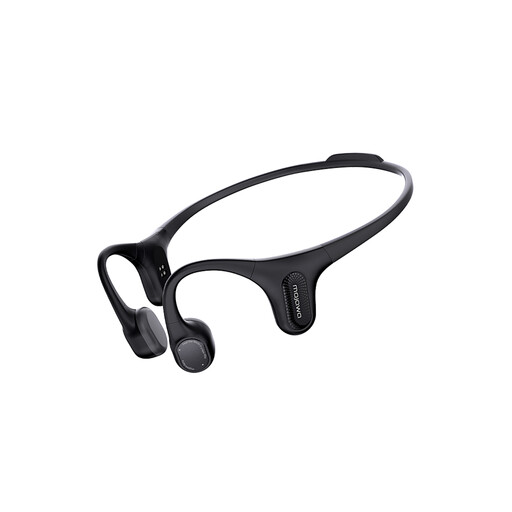
Why it's the right choice: Ideal for runners and cyclists who train in the city. The priority is safety (hearing traffic) and weather resistance, without compromising on fit.
Its ergonomic design ensures a stable fit, even during sprints, and avoids the pitfall of discomfort. The IP67 rating is clearly defined for reliable protection against sweat and rain, not just a vague promise.
Open-ear design for perfect environmental awareness. Its structure is designed for a comfortable and secure fit during high-impact activities.
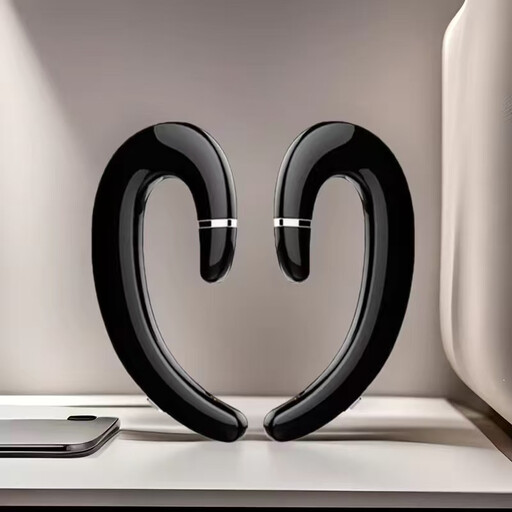
Why it's the right choice: For those looking for an affordable and stable option for various uses: the gym, commuting, and calls. The ear-hook format offers an interesting alternative for a secure fit.
This model bypasses the instability problem of classic headbands thanks to its ear-hook design. It ensures reliable positioning during exercises, without the pressure of a band on the head.
Bluetooth 5.4 connectivity for a stable connection and low latency. Its format makes it practical for daily use beyond just sports.
We have compiled a complete and up-to-date selection of products that meet our demanding selection criteria and current safety standards.
The listening experience is different. Bone conduction transmits vibrations directly to the inner ear, which can make bass less punchy than with in-ear headphones. However, the clarity of vocals and mids is often excellent, which is ideal for podcasts, audiobooks, and most musical styles during sports. The primary goal remains this balance between sound immersion and environmental awareness.
Absolutely, the vast majority of models are designed for this purpose. The band sits behind the head and the transducers rest on the cheekbones, leaving the ears completely free. The arms of glasses and the straps of a bike helmet can therefore pass over or under the band without causing discomfort. However, it is advisable to try them on if possible, especially if you wear thick-framed glasses.
It couldn't be simpler. Once the headphones are connected to a computer via their charging cable (which also serves for data transfer), they are recognised as a storage device, much like a USB flash drive. You then simply drag and drop your music files (MP3, WAV, etc.) into the headphone's folder. Once in the water, a simple action (often a double-click on a button) allows you to switch from Bluetooth mode to the MP3 player mode.