
Livraison le jour même ou le lendemain

Qualité garantie

Débloquez vos offres de bienvenue: Livraison GRATUITE | Jusqu'à -80 % | 30 jours d'essai gratuits à JoyPlus
Téléchargez l'application
By our Joybuy product experts, 2026-07-05
Headphones that slip out mid-run, the dangerous isolation from traffic while cycling, discomfort during a long workout… these are frustrations every athlete knows. Open-ear headphone technology is a game-changer, delivering sound without ever blocking your ear canal.
The bone conduction headphone is the undisputed star of this category. The principle? It transmits sound through light vibrations on your jawbones, leaving your ears completely open to stay aware of your surroundings. This is a key advantage for both safety and comfort.
This guide breaks down the best options on the market and gives you the keys to choosing the perfect model for your sport, whether you're a runner, cyclist, or even a swimmer.
Before diving into our top picks, let's review the essential points to consider to make the right choice based on your athletic activities.
The Ingress Protection (IP) rating measures a device's resistance to dust and water. For sports, where sweat and bad weather are the norm, this is a critical factor.
Good sports headphones should be so comfortable you forget you're wearing them. The design of bone conduction headphones typically features a titanium band that wraps around the back of your neck, with modules that rest just in front of your ears.
For activities like running or cycling, opt for a lightweight, flexible model that ensures a stable fit without creating pressure points. Bluetooth cycling headphones must be compatible with wearing a helmet. For running headphones, stability during motion is the deciding factor.
The majority of open-ear headphones work via Bluetooth, easily connecting to your smartphone or smartwatch. However, this solution has its limits in certain disciplines, starting with swimming.
To listen to music in the pool, MP3 swimming headphones with internal storage are the only realistic option. They allow you to load your tracks directly onto the device for a completely autonomous workout, without relying on a smartphone.
Let's get to the specifics with our selection of open-ear headphones, designed for different types of athletes.
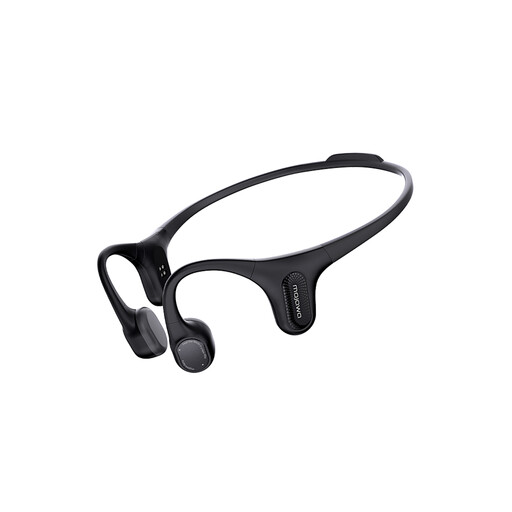
Why it stands out The Mojawa Aerra is a bone conduction headset built for running and cycling enthusiasts. Its titanium band offers an excellent balance of flexibility and stability, ensuring it stays in place even during intense workouts. Its IP67 certification makes it resistant to sweat and rain, a real plus for outdoor activities.
Key Strengths
Who is it for? This is the practical choice for runners and cyclists looking for reliable, comfortable wireless sports headphones that ensure they remain aware of traffic and their surroundings.
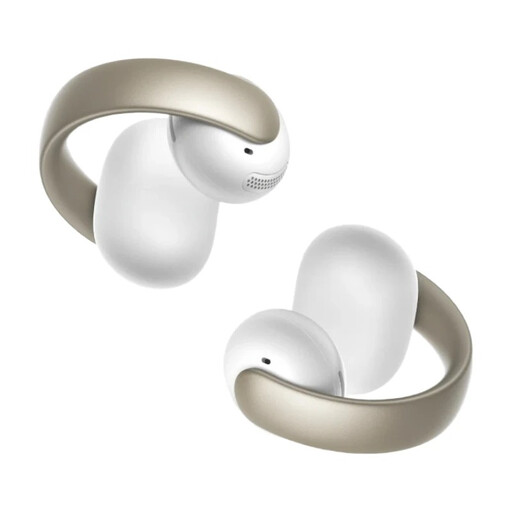
Why it stands out The Soundcore AeroClip takes a different approach. This isn't bone conduction, but a "clip-on" open-ear design that delivers sound via air conduction, without ever obstructing the ear canal. The goal: to eliminate any feeling of pressure in the ear. Its four microphones with AI noise reduction promise, according to Anker, impeccably clear calls, even in noisy environments.
Key Strengths
Who is it for? These open-ear headphones are for those who value everyday comfort and call quality as much as their moderate sports sessions. An excellent alternative for anyone put off by the neckband of traditional bone conduction headphones.
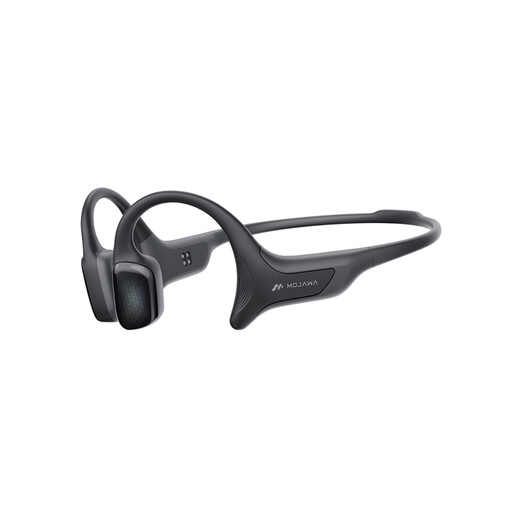
Why it stands out The Mojawa HaptiFit Terra is engineered for water sports. Its high waterproof rating, and especially its 32GB built-in MP3 player, make it THE ultimate MP3 swimming headset. This internal memory allows you to bypass the unreliability of Bluetooth underwater, ensuring an uninterrupted musical experience during your laps.
Key Strengths
Who is it for? This model is aimed squarely at swimmers and triathletes who want waterproof headphones to train with music. Its dual-purpose design makes it just as relevant for running or cycling once you're out of the water.
Our selection focuses on open-ear models for specific sports uses. If you want to explore a wider range of wireless headphones with different technologies and features, feel free to browse our full category.
? Discover our selection of Bluetooth Headsets with a Microphone
Bone conduction uses transducers that transmit sound to the inner ear via vibrations on the skull bones. Open-ear (or air conduction) headphones use tiny speakers that direct sound towards the ear without blocking it. In both cases, the goal is the same: to allow you to remain aware of your environment.
At a normal listening volume, sound leakage is minimal, if not imperceptible to those immediately around you. However, if you turn the volume to maximum, a slight leak may be audible, as with most headphones.
The technology has made spectacular progress. For listening to podcasts, audiobooks, or an ambient playlist during sports, the audio quality is more than satisfactory. However, purist audiophiles will notice that the bass reproduction is less deep than with in-ear or closed-back headphones that provide noise isolation. Ultimately, it's a matter of priority: absolute audio fidelity or safety and comfort during your workout.