
Livraison le jour même ou le lendemain

Qualité garantie

Débloquez vos offres de bienvenue: Livraison GRATUITE | Jusqu'à -80 % | 30 jours d'essai gratuits à JoyPlus
Téléchargez l'application
Finding the right pair of headphones for sports can quickly become a challenge. Traditional in-ear models, while effective for sound isolation, become dangerous outdoors by cutting you off from essential sounds like traffic. This is why more and more athletes are turning to bone conduction headphones. This ingenious technology transmits sound through vibrations via the jawbones, leaving the ears completely open.
However, the market is flooded with marketing promises that often lead to regrettable purchases. Before you dive in, it's crucial to know the three most common pitfalls that can make a pair of headphones completely unsuitable for your activities.
To help you see things more clearly, we've broken down the technical specs that really matter for making an informed choice.
To sort through the options, focus on a few key points. They will allow you to effectively filter the choices and find the model that perfectly matches your needs.
The Ingress Protection (IP) rating is an international standard that defines a device's resistance to water and dust. For bone conduction headphones dedicated to sports, this is a non-negotiable criterion.
The type of connection will directly dictate how you can use your headphones.
Good bone conduction headphones should make you forget you're wearing them. Their comfort and stability primarily depend on two elements:
Rather than an endless list, we have matched specific user profiles with models that meet their requirements, keeping in mind the pitfalls to avoid.
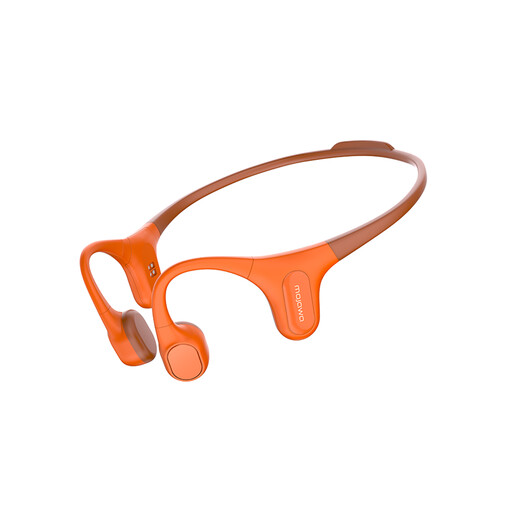
Why this model is a great fit: Specifically designed for mixed use (aquatic and land-based), it combines flawless waterproofing with ample internal storage. It's the sensible choice for swimming and triathlons.
Thanks to its IP68 certification and 32GB MP3 player, it sidesteps the two main pitfalls: insufficient waterproofing and Bluetooth's incompatibility with water.
Its versatility is its strong suit: it switches from Bluetooth mode (running, cycling) to MP3 mode (swimming) in an instant. A true all-in-one solution.
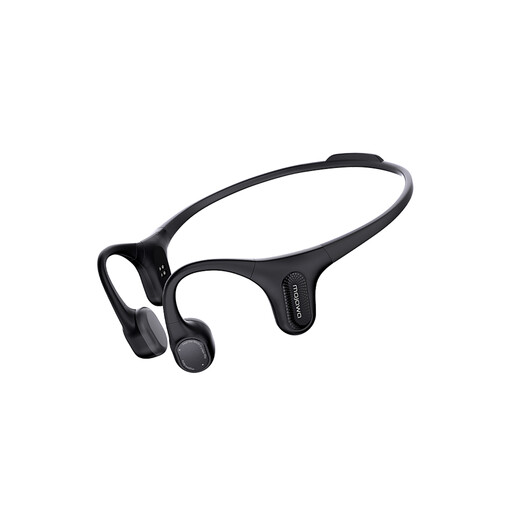
Why this model is a great fit: Built for land-based sports where stability and sweat resistance are paramount. Its lightweight design and secure fit make it the ideal companion for your long runs or bike rides.
Its frame is designed to hug the shape of the head and limit movement: it avoids the classic pitfall of bouncing headphones. The IP67 certification is clear, precise, and suited for intensive outdoor use.
An ergonomic design focused on a stable fit during high-impact activities, while remaining comfortable over the long haul.
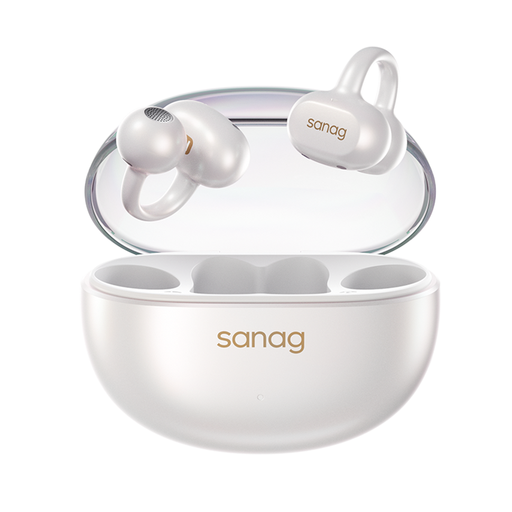
Why this model is a great fit: This "ear clip" format is a game-changer compared to the traditional neckband. It's a discreet and comfortable solution for the gym, daily commutes, or occasional runs.
It bypasses the fit pitfall by taking a different approach. For users who dislike the pressure of a neckband, this clip system can offer better stability and increased comfort.
A clip-on design that exerts no pressure on the temples, ideal for prolonged wear and versatile daily use.
We've put together a complete selection of products that meet our demanding selection criteria and current safety standards.
The listening experience is fundamentally different. The sound rendering, especially in the bass, is less direct than with in-ear models that seal the ear canal. While recent models have made huge progress, their real asset remains safety: by leaving the ears open, they allow you to stay aware of your environment, a decisive advantage for outdoor sports.
Absolutely not, and this is a critical point to watch out for. Only models certified IP68 are designed for prolonged immersion. Furthermore, the headphones must have a built-in MP3 player, as the Bluetooth connection is completely inoperative underwater. Always check for both of these features before buying headphones for swimming.
Maintenance is simple, but crucial. After each session (especially after heavy sweating or rain), wipe the headphones with a soft, dry cloth. For use in a pool or the sea, rinsing with fresh water is mandatory to remove chlorine and salt, which are highly corrosive. Finally, always ensure the charging contacts are perfectly dry before plugging them in.