
Livraison le jour même ou le lendemain

Qualité garantie

Débloquez vos offres de bienvenue: Livraison GRATUITE | Jusqu'à -80 % | 30 jours d'essai gratuits à JoyPlus
Téléchargez l'application
Running near a road, cycling in the city or training in a busy gym means you need to stay aware of ambient sounds. Bone conduction Bluetooth headphones and open-ear models meet this need by leaving your ear canal clear. However, not all models are suitable for swimming, long sessions or phone calls.
Before buying, three common pitfalls to watch out for:
The IP code is read in two parts: the first digit covers particles, the second covers water. For sports use, pay particular attention to the level of moisture protection.
For waterproof headphones for swimming, built-in memory also matters. Bluetooth signals do not travel well through water: a device used underwater generally needs to work in standalone MP3 mode.
After a session, rinse the headphones with clean water if necessary, dry the magnetic contacts carefully and wait until the charging port is completely dry.
A bone conduction headset transmits vibrations to the cheekbone area, without inserting any earbud into the ear canal. An open-ear model can also take the form of a hook or clip, with a speaker positioned near the ear.
In both cases, you can hear conversations, announcements and traffic more easily than with closed in-ear headphones. However, this design does not eliminate the risks associated with listening at too high a volume or using them in situations requiring full attention.
For running, cycling or hiking, check:
For Bluetooth headphones for running, a stated battery life of several hours is usually enough for a session or daily outing. Models that display the charge level make preparation easier.
Internal memory is a criterion in its own right. Headphones with MP3 memory let you listen to files without carrying your phone, which can be handy at the pool or during activities where your smartphone might be exposed to water. Check the compatible formats and transfer method before buying.
Also remember to distinguish between:
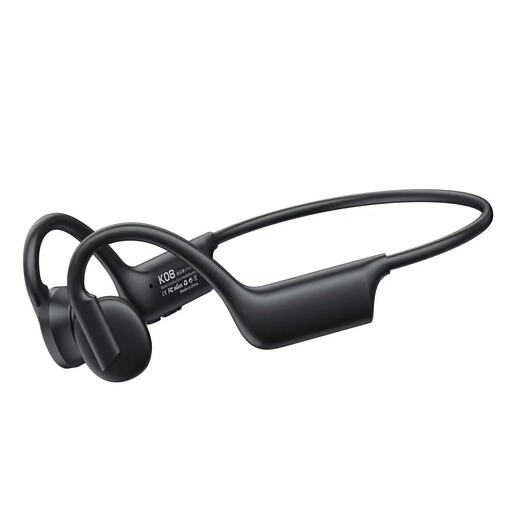
Why this choice suits this profile: Its open design, stated weight of around 25 g and built-in microphone make it a solid companion for your first runs, gym sessions and daily commutes.
The specification states IPX5 resistance depending on the variant: so do not choose it for swimming. However, this limitation is perfectly adequate for sweat and splashes.
Bluetooth, integrated controls, open design and stated battery life of around 7 to 10 hours depending on the version.
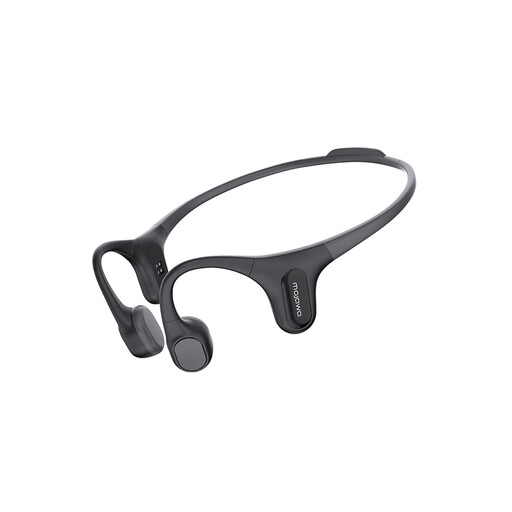
Why this choice suits this profile: It combines open listening, built-in storage and a design conceived for various workouts, from running to swimming.
Its 32 GB of memory allows you to switch to MP3 mode underwater, where Bluetooth connection does not work. The IP68 rating must still be used within the limits specified by the manufacturer.
32 GB of storage, stated battery life of up to 8 hours, Bluetooth 5.2 and a dedicated swimming equalisation mode.

Why this choice suits this profile: With its stated 32 GB of memory and IPX8 certification, this model is aimed at users who alternate between swimming, running and outdoor training.
The MP3 memory means you do not have to rely on your phone while swimming. However, dry the contacts before recharging and do not use Bluetooth underwater.
IPX8, 32 GB, Bluetooth calls, microphone with stated noise reduction and battery life of around 8 to 10 hours.
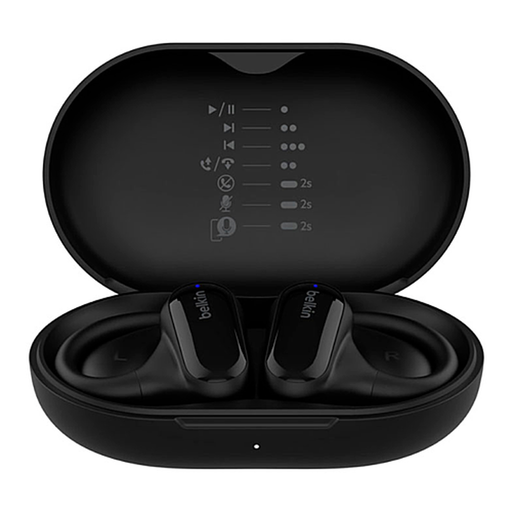
Why this choice suits this profile: Its open-ear design is suitable for commutes, work and activities where it remains essential to hear conversations. However, this is not a bone conduction model.
The specification distinguishes ENC for calls from sound isolation: the IPX5 rating makes it suitable for splashes and sweat, not immersion.
Bluetooth 5.3, multipoint connection, 8 hours of battery life per earbud and 26 hours with the case, plus stated fast charging.
We have put together a comprehensive, real-time updated selection of products that meet these demanding criteria and European safety regulations.
They can be a good choice for running thanks to their open design and the absence of earbuds in the ear canal. Choose a stable, lightweight model with sufficient battery life. Near traffic, keep the volume moderate and stay alert to vehicles, cyclists and announcements.
Generally, no. Bluetooth does not work well when the device is submerged. For swimming, choose IPX8 or IP68 headphones with a standalone MP3 mode, then transfer your files before your session. Always respect the depth and immersion duration specified by the manufacturer.
This depends on the battery, maintenance and usage conditions. Avoid charging a damp device, rinse models used in the pool and store them away from heat. Using the supplied cable and keeping the volume at a reasonable level also helps extend their daily lifespan.