
Livraison le jour même ou le lendemain

Qualité garantie

Débloquez vos offres de bienvenue: Livraison GRATUITE | Jusqu'à -80 % | 30 jours d'essai gratuits à JoyPlus
Téléchargez l'application
Running along a road, cycling in town or training in the gym with your ears completely sealed off can make it difficult to hear what’s going on around you. Bone conduction Bluetooth headphones and open-ear models address this need by leaving your ear canal clear. But marketing claims alone aren’t enough to make the right choice.
Between a poorly understood waterproof rating, battery life measured under very variable conditions, and “noise cancellation” that’s sometimes only for calls, the pitfalls are many. Here are the criteria to examine before comparing the models available.
An IP68 or IPX8 Bluetooth headset can’t necessarily be used for swimming with a Bluetooth connection. Underwater, Bluetooth signals travel very poorly. For the pool, it’s better to choose waterproof headphones for swimming that have a built-in MP3 player, then transfer your audio files to their internal memory.
Conversely, an IP67 rating is generally suitable for sweat, rain and temporary immersion. That doesn’t mean the product is suitable for lengths in the pool. Always check the IP rating of the exact model, because the same range can come in several variants.
Battery life varies depending on listening volume, calls, distance from your smartphone and which features are activated. A model advertised for several hours can therefore deliver different results during Bluetooth playback, during a conversation, or with certain extra options switched on.
For long outings, also look at the type of charging, whether a magnetic cable is included, and how long it takes to get enough power back.
On some models, noise cancellation relies mainly on software processing designed to make your voice clearer during calls. With an open-ear headset, this mention doesn’t necessarily mean that outside noises will be actively cancelled while you’re listening.
In fact, that’s one of the benefits of this design: it lets you stay partly connected to your surroundings, whether on foot or on a bike. It obviously doesn’t mean you can let your guard down in traffic.
Bone conduction transmits vibrations through your cheekbones, while some open-ear headphones have speakers positioned near your ear without entering the ear canal. In both cases, comfort depends largely on your facial shape and the quality of the fit.
For running headphones or cycling headphones, check in particular:
The ratings IP67, IPX7 and IPX8 correspond to specific levels of protection against dust and water. They don’t mean the product can stay in contact with water, chlorine or salt indefinitely.
After a session, rinse the headset with fresh water if the manufacturer allows it, dry it thoroughly and never plug a cable into contacts that are still damp.
Models with magnetic charging need particular attention: their pins must be perfectly dry to reduce the risk of corrosion and short circuits.
A 32 GB memory lets you store audio files and use the headphones without a smartphone. This feature is especially useful at the pool, where Bluetooth doesn’t stay operational underwater.
Before buying, check the compatible audio formats, the file transfer method, and switching between Bluetooth mode and MP3 mode.
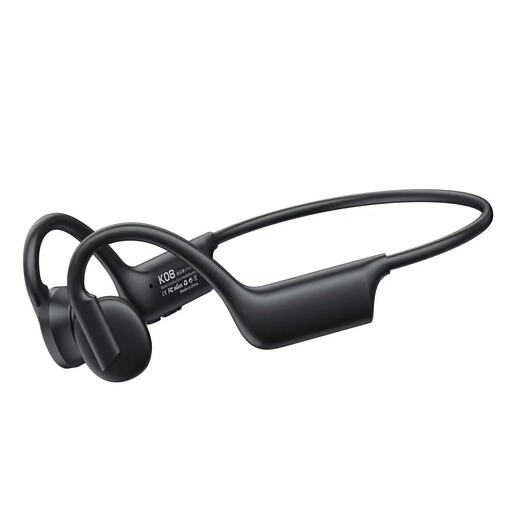
Why this choice suits this profile: Its open design and stated weight of around 25 g make it an interesting option for discovering this type of headphone, whether for running, walking, cycling or training in the gym.
The spec sheet indicates IPX5 protection depending on the variant: this model should therefore not be confused with a headset designed for swimming.
Bluetooth, built-in microphone, controls right at your fingertips and stated battery life of around 7 to 10 hours.
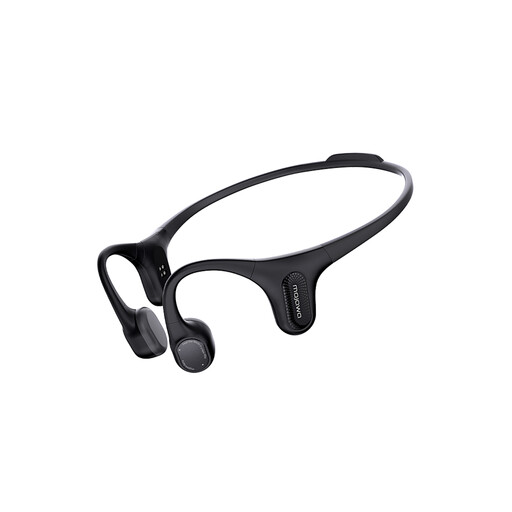
Why this choice suits this profile: This open-ear headset is aimed at regular runners, cyclists and those doing varied workouts who want a reliable fit.
Its IP67 rating is suitable for sweat and rain, but the spec sheet makes clear it’s not intended for lengths in the pool.
Built-in microphone, Bluetooth connection and open structure so you can stay alert to sounds in your environment.
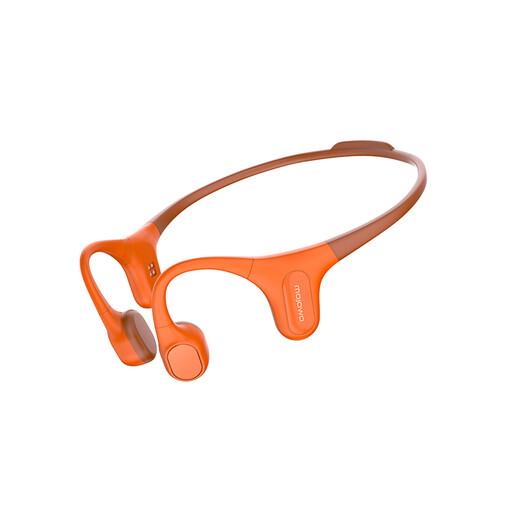
Why this choice suits this profile: Swimmers and athletes who alternate between the pool, running and training without a smartphone will appreciate its internal memory.
The IP68 rating and MP3 mode meet the demands of listening underwater, without suggesting that Bluetooth will remain functional while swimming.
32 GB memory, swimming mode, Bluetooth 5.2 and stated battery life of up to 8 hours.

Why this choice suits this profile: This model combines open listening, hands-free calls and standalone playback for both workout sessions and everyday journeys.
The spec sheet distinguishes Bluetooth connection from MP3 memory and indicates an IPX8 rating: underwater, listening must therefore be done in standalone mode.
32 GB memory, microphone with stated noise reduction for calls and estimated battery life between 8 and 10 hours.
We’ve put together a complete selection, updated in real time, of products that meet these demanding criteria as well as European safety requirements.
Yes, but only if the model is designed for that use, with a suitable rating and an internal playback mode. Underwater, Bluetooth doesn’t work reliably: transfer your files to the MP3 memory before your session and dry the contacts thoroughly before recharging the headset.
Position the transducers against your cheekbones and check that the band or hooks stay firmly in place when you turn your head. A moderate volume also helps you maintain good awareness of outside sounds. On a bike, especially in traffic, these headphones never replace visual and auditory attention.
It all depends on the battery, how often you charge it, exposure to moisture and how well you look after them. To preserve the device, avoid extreme temperatures, never charge a damp headset, respect the stated immersion depth and clean it after particularly sweaty sessions or swims.