
Livraison le jour même ou le lendemain

Qualité garantie

Débloquez vos offres de bienvenue: Livraison GRATUITE | Jusqu'à -80 % | 30 jours d'essai gratuits à JoyPlus
Téléchargez l'application
Running, cycling or walking with closed-back headphones can cut you off from useful sounds. Conversely, some open models promise a freer listening experience without always stating their limitations. Open-ear wireless bone conduction headphones meet this need by leaving your ear canal clear, but not all are suited to the same activities.
Before you place an order, three common pitfalls keep cropping up:
Here are the criteria to consider, followed by a selection tailored to different profiles.
Bone conduction transmits vibrations to the area in front of the ear, without any earbud inserted into the ear canal. The headset generally stays securely in place thanks to a structure that wraps behind the head or transducers positioned near the cheekbones.
Open-ear Bluetooth headphones and clip-on models place their speaker close to the ear without blocking it. They often aim for a more conventional sound reproduction, while still letting ambient sounds through.
In both cases, it's best to keep the volume moderate. An open design doesn't eliminate the risks associated with listening too loudly, nor does it replace the vigilance needed near traffic. When cycling, also check local regulations and avoid any use that could reduce your attention.
The IP rating indicates the level of protection against dust and water using two digits. The first concerns particles, the second water. An IPX4 rating generally means protection against splashes, sweat and light rain, but does not allow immersion.
An IP67 device can withstand temporary immersion under specific conditions. That doesn't necessarily mean it's suitable for lengths in the pool. To choose a waterproof bone conduction headset for swimming, look for a spec sheet that explicitly mentions underwater use and the intended playback mode.
After your workout, rinse off chlorine or salt residue with fresh water if the manual allows it, then dry the contacts thoroughly before charging the headset.
For daily commutes or a running session, a stated battery life of several hours may be more than enough. Athletes who string together training sessions would be better off choosing a model with a charging case or fast charging.
Bluetooth headphones with MP3 memory have a very particular advantage: they let you listen to audio files without a phone. This feature is especially useful for swimming, since Bluetooth signals don't travel well through water. However, check the supported formats, the stated storage capacity and the file transfer method.
A secure fit depends on the shape of the headband or ear hook, the weight and the position of the transducers. For running, go for a flexible structure that doesn't compress your head excessively. When cycling, physical buttons can be easier to operate with gloves than a touch surface.
A built-in microphone makes calls easier, but conversation quality varies depending on wind and environment. Noise reduction features designed for calls shouldn't be confused with full isolation for music.
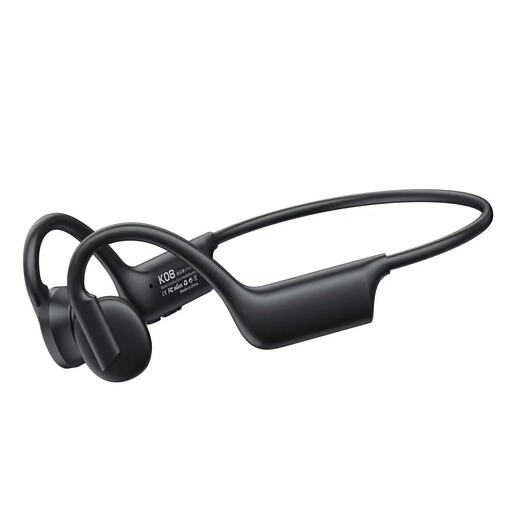
Why this model suits this profile: Its open design, stated weight of around 25 g and Bluetooth connection make it a consistent choice for your first runs, gym sessions and daily commutes.
The spec sheet states it's designed for sport and mentions IPX5 water resistance depending on the variant: this covers sweat and splashes, not immersion.
Open design, built-in microphone, on-board controls and stated battery life of around 7 to 10 hours depending on the version.
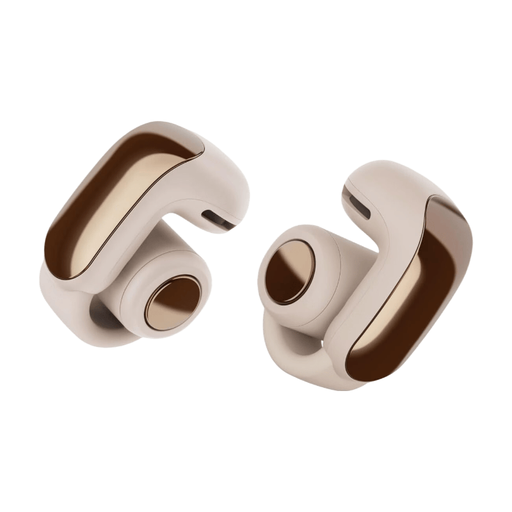
Why this model suits this profile: This clip-on model focuses on open listening, a physical button and multipoint connection for easily switching between a phone and a computer.
Its IPX4 rating means resistance to splashes and sweat, not protection against heavy rain or swimming.
Up to 7 hours of stated playback, case offering up to 2.5 additional charges, Bluetooth multipoint and stereo or immersive modes.
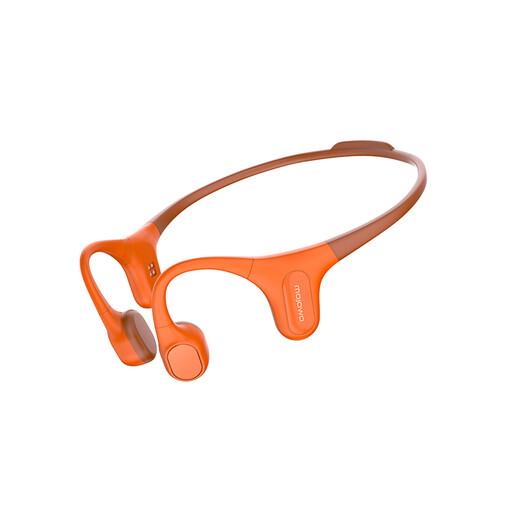
Why this model suits this profile: Runners, cyclists and swimmers can switch from Bluetooth streaming to internal memory to train without a phone.
The spec sheet states you need to switch to MP3 mode underwater, as Bluetooth doesn't work properly while swimming.
Stated IP68 rating, 32 GB memory, battery life of up to 8 hours and support for several audio formats according to the product sheet.
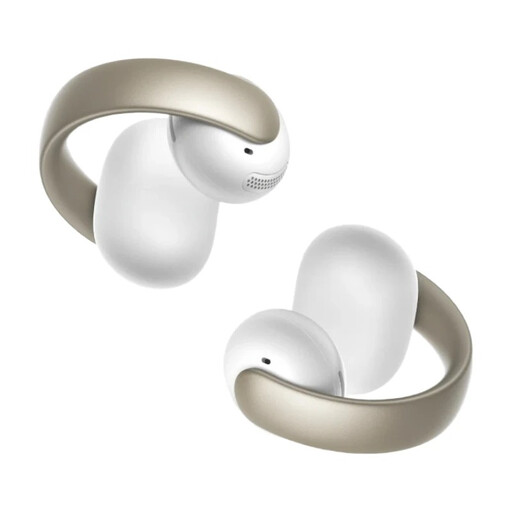
Why this model suits this profile: Its open clip-on design and four microphones suit those who alternate between outdoor activity, calls and daily use.
The flexible band aims to limit movement of the product, without guaranteeing a perfect fit for all head shapes.
Stated 12 mm driver, flexible fit and microphones designed to reduce wind noise during calls.
We've put together a comprehensive, real-time updated selection of products that meet these demanding criteria and European safety standards.
Yes, but only with a model whose spec sheet explicitly states it's suitable for immersion. Bluetooth doesn't transmit properly underwater: a device intended for swimming must therefore include MP3 memory or offer an equivalent mode. Also respect the depth, immersion time and rinsing instructions from the manufacturer.
For regular outings, compare the stated battery life in continuous playback, the charging time and whether a case is included. Calls, high volume and certain audio modes can reduce the actual usage time. Built-in memory also lets you leave your phone at home.
Dry the headset before charging it, clean the contacts with a soft cloth and store it away from heat and moisture. An IP certification doesn't mean you can ignore the recommendations in the manual. Never use a cable or charging dock when the connectors are wet.