
Livraison le jour même ou le lendemain

Qualité garantie

Débloquez vos offres de bienvenue: Livraison GRATUITE | Jusqu'à -80 % | 30 jours d'essai gratuits à JoyPlus
Téléchargez l'application
Running along a road, cycling in the city or training in the gym with your ears completely sealed off can stop you from properly hearing the sounds around you. Open-ear bone conduction sports headphones meet this need by leaving your ear canal free. But behind the "sport" label, models vary considerably and don't all suit the same activities.
The Joybuy Product Recommendation Officer's selection is based on concrete criteria: sound transmission technology, protection rating, claimed battery life, stability and features that are genuinely useful in everyday use.
An open-ear headset can transmit sound through vibration at the temples, but it can also rely on small speakers positioned close to the ear. The output and feel differ depending on the technology used.
When cycling or running in the city, it is therefore best to keep the volume moderate and stay alert to vehicles, bells and announcements.
A rating like IP67 or IP68 corresponds to specific conditions of dust and water resistance. It does not automatically guarantee that the headset is suitable for regular use in a swimming pool.
Bear in mind:
After a particularly sweaty session, always dry the headset. The magnetic contacts must be perfectly dry before recharging.
Battery life varies depending on listening volume, calls, Bluetooth connection and any audio features activated. A model advertised for several hours of playback can last significantly less time with an immersive mode or frequent calls.
For daily use, also remember to check:
A sports headset that resists sweat must stay securely in place during exercise, without putting excessive pressure behind the ears or on the temples. Over-ear models are often comfortable during dynamic workouts, while clip-on earphones focus more on discretion.
Positioning is particularly important with bone conduction: the transducers must rest correctly against the cheekbones or temples. With an open-ear headset, adjust the clip to prevent it from slipping as you stride.
For running and fitness, protection against sweat and light showers may be sufficient. For hiking or cycling in uncertain weather, a higher rating offers a welcome safety margin, without doing away with the need to dry the device carefully.
Swimming earphones require special attention: Bluetooth works very poorly underwater. A model equipped with a built-in MP3 player and internal memory will therefore be more suitable than a simple Bluetooth headset for swimming lengths.
Earphones with a microphone let you answer a call during a walk or a break without taking out your phone. However, conversation quality depends heavily on the wind and ambient noise levels. Multiple microphones can reduce some interference, but no system eliminates all external noise.
For long sessions, aim for a claimed battery life of several hours and controls that are easy to use on the move.
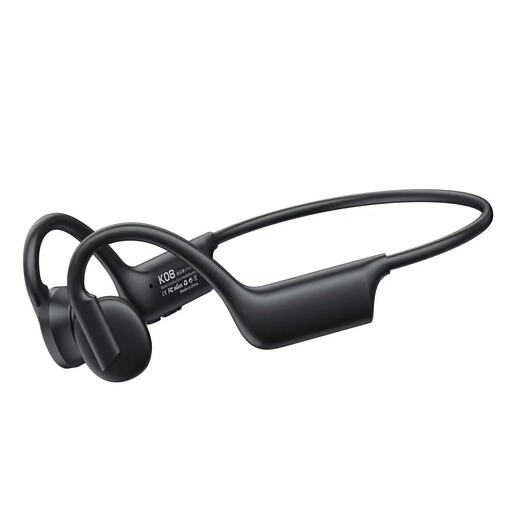
Why this choice suits this profile: its open design and claimed weight of around 25 g make it an appealing entry point for running, cycling or training in the gym.
The specification mentions an open-ear design, IPX5 protection and a claimed battery life of around 7 to 10 hours. Immersion should still be avoided.
Bluetooth, built-in microphone, directly accessible controls and a design intended for outdoor activities.
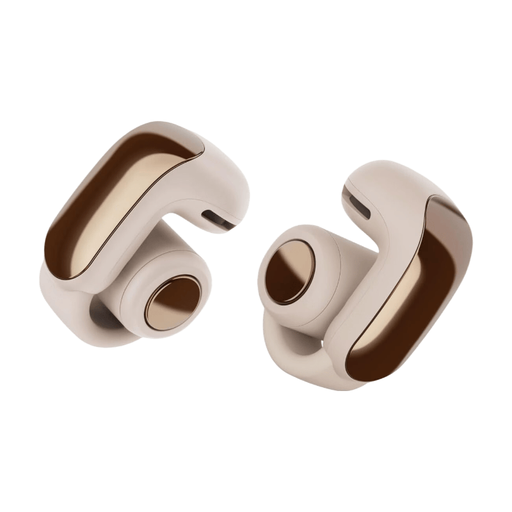
Why this choice suits this profile: its clip-on format and OpenAudio technology are aimed at those seeking an open experience for both sport and daily commutes.
The IPX4 certification clearly defines its territory: perspiration, splashes and light rain, but neither swimming nor immersion.
Up to 7 hours of claimed battery life, multipoint Bluetooth connection, microphone and a case providing several additional charges.
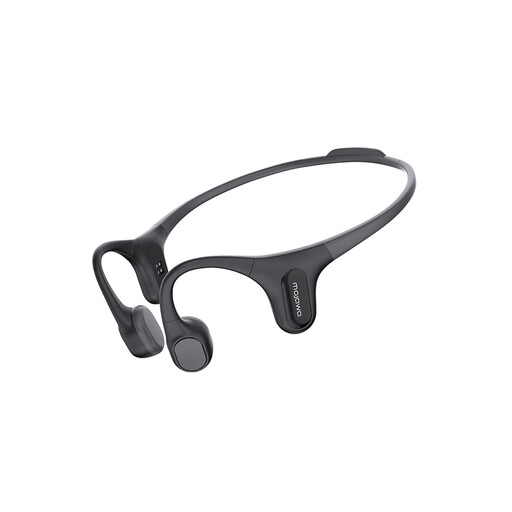
Why this choice suits this profile: its internal memory and claimed waterproofing are suited to long sessions, smartphone-free workouts and swimming.
The specification mentions IP68 protection and 32 GB of storage, but underwater you must switch from Bluetooth to MP3 mode.
32 GB of storage, up to 8 hours of claimed battery life, swimming mode and support for several audio formats.
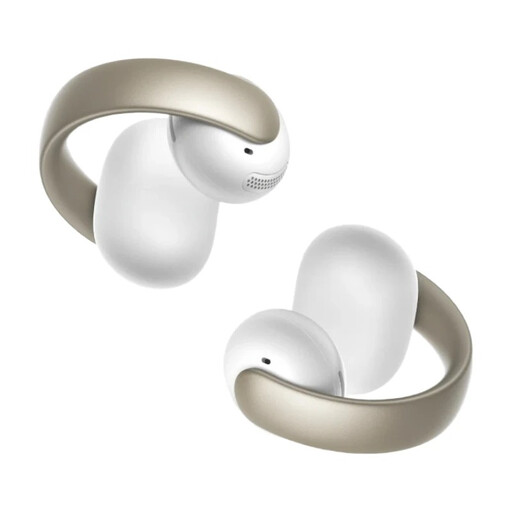
Why this choice suits this profile: its open ring and four microphones suit those who switch between sports sessions and phone calls.
This format should not be mistaken for a waterproof model: the specification recommends keeping it dry and cleaning it with a soft cloth.
We have put together a comprehensive, real-time updated selection of products that meet these strict criteria as well as European safety requirements.
Bluetooth works poorly underwater. For swimming, choose a model equipped with a built-in MP3 player, transfer your files before the session and activate the mode intended for underwater use. Always check the waterproof rating, then rinse the headset with fresh water after your workout.
How long they last depends on the battery, listening volume, charging frequency and maintenance. Avoid leaving the headset in direct sunlight or in an overheated car. Never plug a cable into damp contacts and store the device in a dry place.
They generally let ambient sounds through better than in-ear models, but they do not eliminate the dangers of traffic. When cycling, keep the volume moderate, follow UK safety regulations and do not handle your headphones while riding.