
Livraison le jour même ou le lendemain

Qualité garantie

Débloquez vos offres de bienvenue: Livraison GRATUITE | Jusqu'à -80 % | 30 jours d'essai gratuits à JoyPlus
Téléchargez l'application
Want to run with music, but without the risk of not hearing an approaching car?? Do in-ear headphones irritate you after an hour-long video call?? In short, you're looking for an audio solution that keeps you connected to your music and the world around you. Bone conduction headphones and their "open-ear" alternatives are likely the solution.
The problem?? The market is flooded with marketing promises that too often lead to disappointing purchases. As the Head of Product Selection at Joybuy, my role is to help you see things more clearly. Here are the pitfalls to avoid and the essential criteria for making the right choice.
Before you take the plunge, watch out for these three common pitfalls that can turn a promising purchase into a real regret.
To avoid these disappointments, focus on these three objective parameters that make all the difference.
It's crucial to know what you're buying.
The device's form factor is crucial for comfort and stability. Models with a neckband are often favoured for intense sports. Clip-on models, which are more discreet, are perfect for daily use and the office. Check the weight (lightness is a key factor) and materials. A titanium alloy frame, for example, ensures both flexibility and durability for a secure yet pressure-free fit.
For versatile use, microphone quality is non-negotiable. Look for terms like "call noise reduction" or "AI-powered microphone," which indicate the manufacturer has focused on voice clarity. As for battery life, aim for a minimum of 6 to 8 hours of continuous playback to avoid running out of power mid-day or during a long workout.
Here are a few models that cater to specific user profiles, based on the objective criteria we've just discussed.
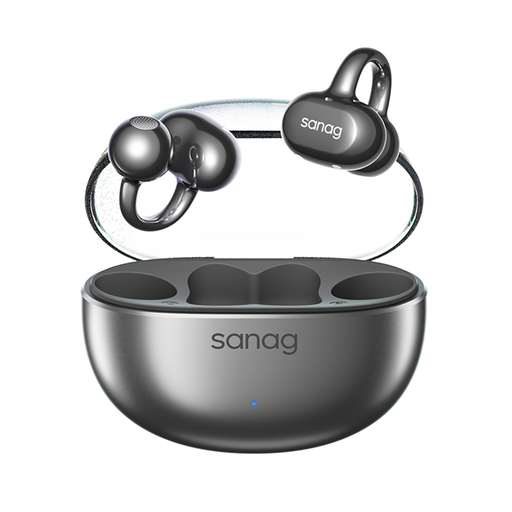
Why it's a great fit: Ideal for urban runners and cyclists. Its ear-clip design ensures a stable fit during workouts, while its open-ear construction allows you to remain fully aware of traffic sounds. A significant safety factor.
This model is all about transparency. It's clearly marketed as open-ear sports headphones using air conduction, which prevents any confusion. Its clip-on design was engineered for stability, countering the pitfall of headphones that slip during a workout.
Lightweight with an impeccable fit for intense activities. Its open-ear design is a real bonus for outdoor safety.
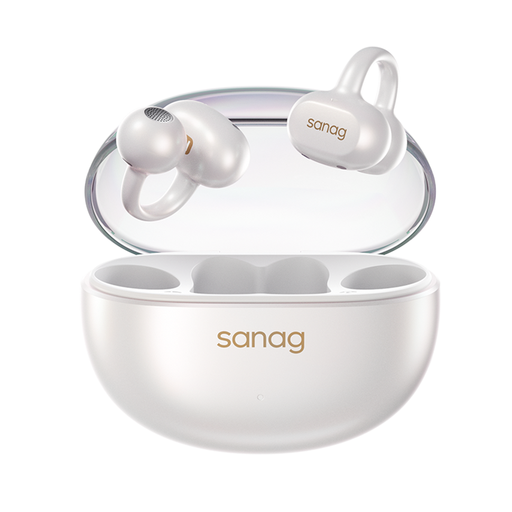
Why it's a great fit: Perfect for remote work or open-plan offices. Its discreet design and comfort allow for extended wear without fatigue. You can go from one video conference to the next while staying aware of your surroundings (colleagues, kids, the delivery person…).
This model directly tackles the poor-quality microphone trap. It integrates AI-powered noise reduction for calls, ensuring your voice remains perfectly clear, even in a slightly noisy environment. This is a strong point often highlighted in reviews for the Sanag S6S Nova.
Crystal-clear calls thanks to active noise reduction. Long-lasting comfort, ideal for a full workday.
We've curated a full selection of products that meet our selection criteria and current safety standards.
Bone conduction transmits sound via vibrations on the facial bones to the inner ear. "Open-ear" technology (or air conduction) uses a mini-speaker that directs sound towards the ear canal without blocking it. Both technologies allow you to stay aware of your surroundings, but the listening sensation and audio rendering are different.
Let's be clear: no, not quite. Due to their open design, these headphones naturally have less prominent bass than in-ear models, which benefit from passive isolation. However, for listening to podcasts, making calls, or having background music during sports, the quality is now perfectly satisfactory and has improved immensely on recent models.
Yes, provided you choose the right form factor. Models with a flexible, lightweight neckband or well-designed clips offer excellent stability, even during intense activities like running or mountain biking. Just remember to check the weight and fit system before you decide.