
Livraison le jour même ou le lendemain

Qualité garantie

Débloquez vos offres de bienvenue: Livraison GRATUITE | Jusqu'à -80 % | 30 jours d'essai gratuits à JoyPlus
Téléchargez l'application
Working out to music without shutting yourself off from the outside world: a common dilemma for many athletes. The problem? Traditional earbuds trap you in a bubble, a dangerous isolation when you're running in the city or cycling on the road. This is where bone conduction headphones for sports come in. Their promise: to leave your ears open so you can stay aware of your surroundings while still enjoying your music.
This guide breaks down the essential criteria for choosing the right model for your needs, without the unnecessary marketing jargon. We analyse the features that truly matter and present our top picks to help you see more clearly.
The market for bone conduction headphones is booming. To avoid getting lost, it's best to focus on the few technical criteria that really make a difference in your daily routine.
The Ingress Protection (IP) rating is the defining feature of your headphones' resistance to dust and liquids (water, sweat). For sports use, this is a non-negotiable feature.
Nothing is worse than a battery dying mid-workout. Most models last between 6 and 10 hours. Don't forget to check the charging time too!
Swimmers, take note: Bluetooth does not work underwater. You will therefore absolutely need MP3 swimming headphones with integrated storage. This allows you to load your playlists directly onto the headphones, without depending on your smartphone.
A good open-ear headset should be so comfortable you forget you're wearing it, while remaining perfectly in place. The titanium neckband has become the standard, combining flexibility with a flawless, secure fit. Whether for cycling headphones or running, the headset must not bounce or create painful pressure points, even over long periods. The advantage of the open-ear headphone concept is also saying goodbye to the ear fatigue that in-ear models can cause.
Let's get practical with a few models that stand out from the crowd, each designed for a specific use.
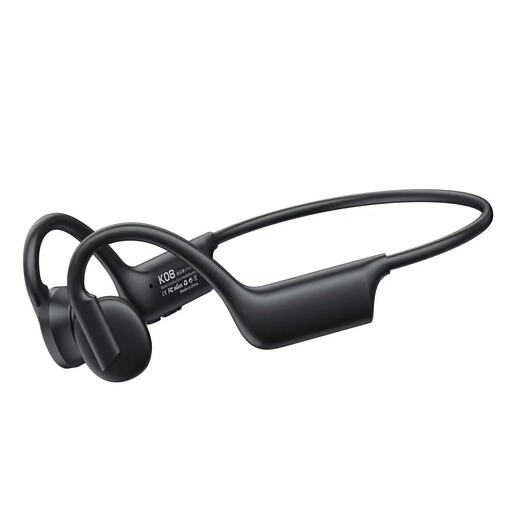
Why it stands out The Verbex K08 is an excellent entry point into the world of bone conduction. Weighing in at just 25 grams, you'll barely notice it during your workout. It was designed for maximum comfort over long periods, whether for your jog or at the office.
Key Features
Who is it for? For the casual athlete or anyone looking for an open-ear listening solution for everyday use, prioritising comfort and lightness for moderate-intensity activities.
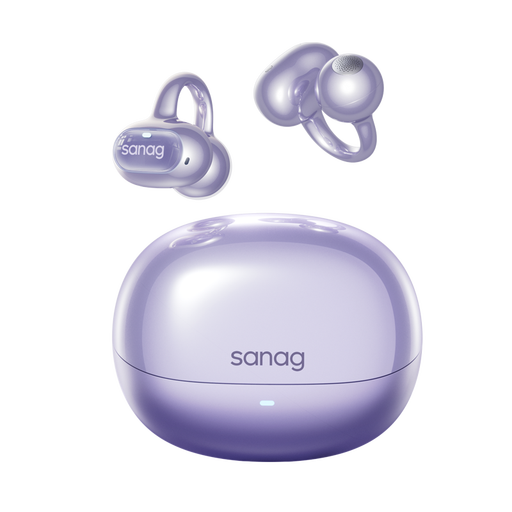
Why it stands out The Sanag S8S Ultra breaks the mould: goodbye neckband, hello ear clips that rest on the outer ear. Although marketed as bone conduction headphones, its technology is more akin to an open-ear audio headset, which directs sound towards the ear canal without ever blocking it.
Key Features
Who is it for? For anyone who finds neckbands off-putting, or whose hairstyle (or cycling helmet) isn't compatible. A smart alternative for fitness, running, and even the office.
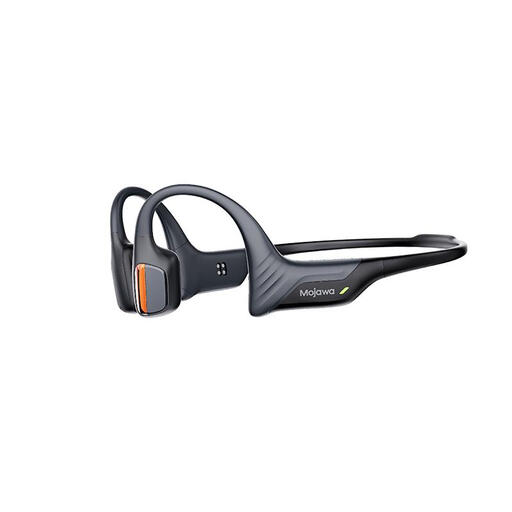
Why it stands out We're moving up in class with the Mojawa Purra Run. Its IP67 certification guarantees it's completely dustproof and resistant to brief immersion. The brand also promises a punchier sound, with a real focus on bass, often the Achilles' heel of bone conduction.
Key Features
Who is it for? For dedicated runners and cyclists who train in all conditions and want better sound quality, without ever compromising on safety.
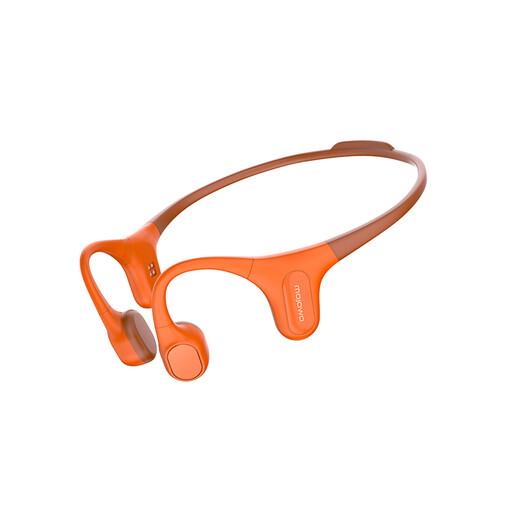
Why it stands out The Mojawa Run Plus is the specialist in our lineup. With its IP68 certification and 32GB of built-in MP3 storage, it's one of the few models on the market truly built for swimming. Just switch to MP3 mode to crank out laps to your favourite music.
Key Features
Who is it for? The target audience? Swimmers and triathletes, of course. But it's also an excellent option for any athlete who wants to leave their phone in the locker room (running, trail running...).
This selection is just a taste of what bone conduction technology has to offer. Because every athlete is unique, feel free to explore other models.
? Explore our full collection of bone conduction sports headphones to find the model that perfectly matches your needs.
The principle of bone conduction is to transmit sound via vibrations on the jawbones, rather than directly into the ear canal. The perception is therefore necessarily different. As a rule, mids and highs (perfect for voices and podcasts) are reproduced very well. The bass, however, can lack the depth found in in-ear headphones, which mechanically enhance it through isolation. However, recent models have made enormous progress and offer a much more balanced sound.
Absolutely not, and this is a critical point. For swimming, two conditions are essential: an IP68 waterproof certification (which guarantees resistance to prolonged immersion) and a built-in MP3 player. Why? Because the Bluetooth signal does not travel through water. A Bluetooth-only headset would therefore become just an accessory once your head is underwater. The Mojawa Run Plus, for example, is perfectly suited for this.
Yes, and that's one of their biggest strengths. Since they don't go inside your ears, you can say goodbye to the pressure or irritation sometimes felt with in-ear models. Their light weight and ergonomic design are engineered to be forgotten for hours, whether you're in the middle of a workout, at the office, or on your commute.
By our Joybuy Product Experts