
Livraison le jour même ou le lendemain

Qualité garantie

Débloquez vos offres de bienvenue: Livraison GRATUITE | Jusqu'à -80 % | 30 jours d'essai gratuits à JoyPlus
Téléchargez l'application
Working out to music is an unparalleled source of motivation. The problem? Traditional earbuds cut you off from the outside world, a real safety hazard whether you're on a city jog or a country bike ride. This is where bone conduction headphones come in: a game-changing technology. They transmit sound through vibrations along your jawbones, leaving your ears completely open. The result: you can enjoy your playlist without ever losing touch with the sounds around you.
This guide is here to help you choose the perfect open-ear headphones for your sport. We break down the essential technical criteria and present our selection of the best models for running, cycling, and even swimming.
The right headphones can transform your workouts. To make sure you choose wisely, here are the decisive factors to consider.
The Ingress Protection (IP) rating measures a device's resistance to water and dust. For sports, this is simply a non-negotiable feature.
Most sports headphones use Bluetooth, a convenient way to stream music from your smartphone. The catch: the Bluetooth signal doesn't travel through water. If you're a swimmer, a model with a built-in MP3 player is the only solution. It allows you to store your playlists directly on the device and train without relying on your phone.
For long sessions, battery life is a crucial point. Check the manufacturer's stated listening hours, as well as the availability of a fast-charging feature. The fit is just as essential: a good pair of wireless sports headphones must be lightweight and offer rock-solid stability to stay in place, even during the most intense movements.
We've selected several models that stand out for their performance and suitability for specific sports.
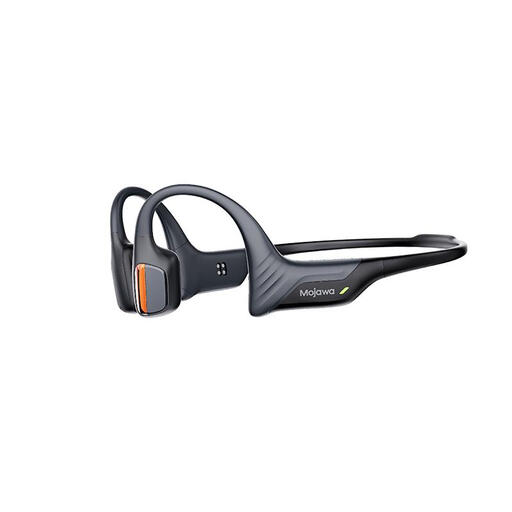
Why It Stands Out: The Mojawa Purra Run is an excellent entry point into the world of bone conduction headphones. It combines an ergonomic design for a perfect fit with solid technical specs for both daily use and sports.
Key Features:
Who Is It For?: Runners, cyclists, and fitness fans looking for high-performance, comfortable headphones for their outdoor activities, who don't need swimming features.
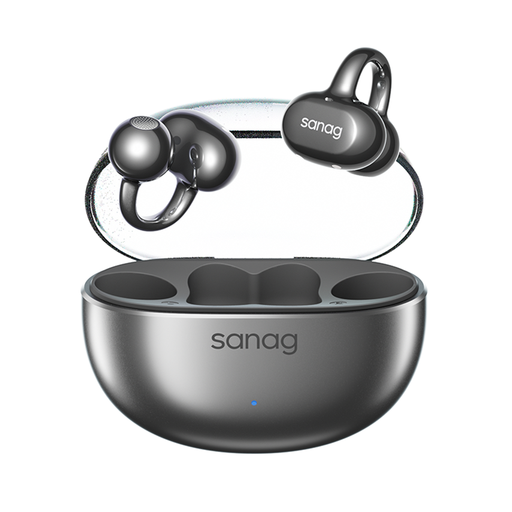
Why It Stands Out: The Sanag S6S Nova is a game-changer with its "Ear Clip" design. It's not strictly bone conduction, but an open-ear concept where the earbuds clip onto the outer ear. The ear canal remains completely unobstructed for a very similar listening experience.
Key Features:
Who Is It For?: Athletes and on-the-go users who prioritize comfort above all else and are looking for an alternative to classic bone conduction models, whether for running, working, or daily commutes.
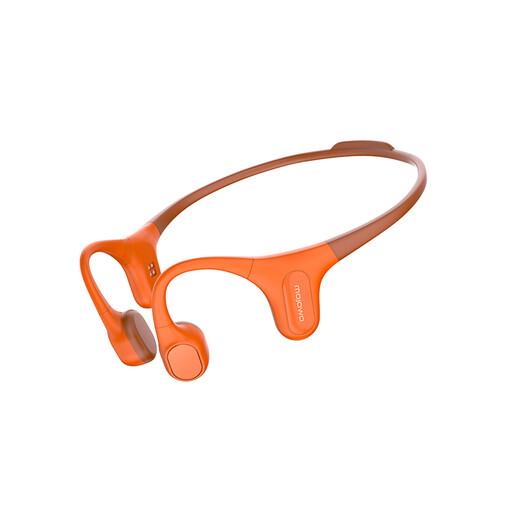
Why It Stands Out: This model was designed from the ground up for swimmers. It combines top-tier waterproofing and internal storage, making it the perfect MP3 swimming headset.
Key Features:
Who Is It For?: Swimmers, of course, but also triathletes and versatile athletes who want a single device for training on land and in water, without being tethered to a smartphone.
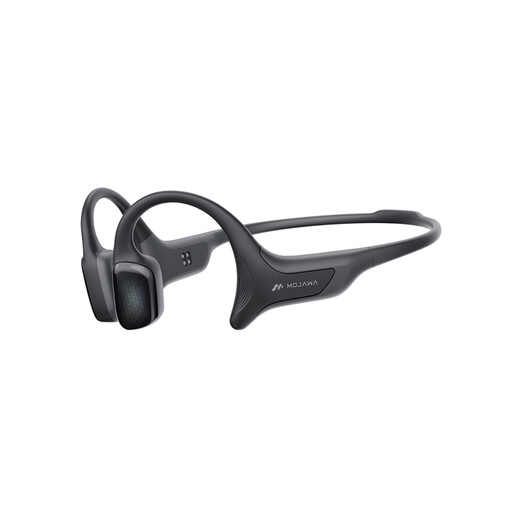
Why It Stands Out: The HaptiFit Terra is more than just a headset: it's a true connected sports coach. It not only packs the features of premium bone conduction headphones but also includes sensors for activity tracking.
Key Features:
Who Is It For?: Athletes and data-driven sports enthusiasts who want a single device to manage their music and analyze their performance, whether they're running, swimming, or working out at the gym.
If our selection doesn't quite meet your needs or if you want to explore other audio technologies for sports, feel free to browse our dedicated category. You'll discover a much wider range of equipment for all activities and budgets.
Discover our selection of Bluetooth headsets with a mic
This technology transmits sound directly to the inner ear via the skull bones, bypassing the eardrum. The acoustic pressure on the eardrum is therefore much lower than with in-ear headphones. However, as with any audio device, prolonged listening at excessive volumes can pose long-term risks. Moderation is always key.
Recent models are designed to minimize sound leakage as much as possible. At a normal listening volume, those around you will hear almost nothing. If you turn the volume to maximum in a very quiet environment, a slight leak may be perceptible, but it remains very discreet.
Absolutely, but only if you choose the right model. For swimming, you absolutely need a headset that is IP68 certified and has a built-in MP3 player. Since Bluetooth is inoperative underwater, internal storage is the only option for listening to music during your laps. A tip: remember to rinse your headset with fresh water after each session in a pool (chlorine) or the sea (salt) to protect the charging contacts.