
Livraison le jour même ou le lendemain

Qualité garantie

Débloquez vos offres de bienvenue: Livraison GRATUITE | Jusqu'à -80 % | 30 jours d'essai gratuits à JoyPlus
Téléchargez l'application
Running, cycling or working out with traditional headphones can quickly become uncomfortable when the ear tips completely block your ears. Bone conduction headphones and open-ear models offer a different approach: sound is transmitted through vibrations around the cheekbones or played close to the ear, without obstructing the ear canal.
This design suits athletes who want to enjoy their music while remaining aware of surrounding sounds. However, it does not eliminate the dangers associated with traffic or the risks of listening at high volume. Before choosing an open-ear headset, it is therefore worth reviewing a few common pitfalls.
An IP67 rating generally protects against dust and temporary immersion under the conditions specified by the standard. However, it does not mean that the product can be used to swim lengths in a pool. The Mojawa Aerra, for example, has IP67 protection, but its product details state that it is not designed for swimming.
A model intended for pool use must include a standalone MP3 mode, as Bluetooth signals travel very poorly through water. The IP rating must also be interpreted carefully: it describes a level of resistance within a specific framework, not general permission to use the product underwater.
Actual battery life depends on listening volume, calls, temperature, Bluetooth or MP3 mode, and battery wear. A model offering several hours of listening may be perfectly suitable for a daily run. However, intensive users should check whether it offers fast charging and whether the headphones are easy to carry.
An open-ear headset lets in more ambient sound than a closed model. Nevertheless, listening at excessive volume can still mask a siren, doorbell or instruction. When cycling, near a road or in a busy gym, keep the volume at a sensible level and stay aware of your surroundings.
For headphones designed for running, cycling or training, a secure fit is just as important as sound quality. A behind-the-neck frame or clip-on system should stay firmly in place without applying excessive pressure.
On a bone conduction model, the transducers must be positioned correctly against the cheekbones. If they are misplaced, the sound may become less clear and encourage you to turn up the volume unnecessarily. Glasses, cycling helmets and hats can also affect comfort or stability.
Here are the main points to keep in mind:
After a session in the rain or at the pool, dry the headphones completely before charging them. Magnetic connectors must be perfectly dry to help minimise the risk of corrosion or short circuits. After use in salt or chlorinated water, rinsing with fresh water may be necessary if recommended in the instructions.
Wireless headphones with a microphone are useful for taking a call or using voice commands during a break. For sports, however, also check the microphone’s position and how easy the controls are to access.
Bluetooth is suitable for use with a phone, watch or tablet. For swimming, a 32 GB built-in MP3 player allows you to store audio files directly on the headphones. You will need to transfer the tracks in advance, then switch to MP3 mode before entering the water.
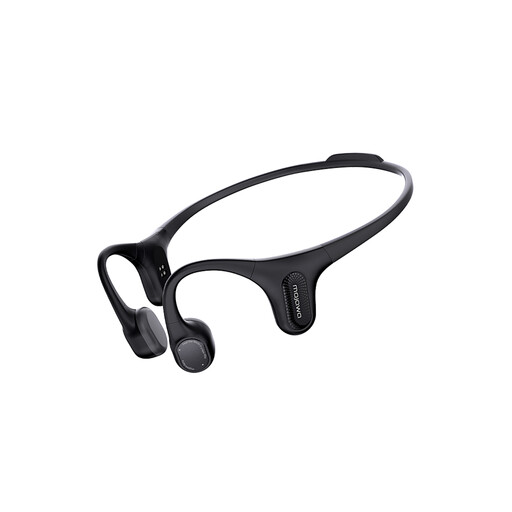
Why this choice suits this profile : Its open-ear design, Bluetooth connection and built-in microphone cover the essential needs for running, cycling or working out at the gym.
The product details clearly state that IP67 is not suitable for swimming lengths. The magnetic charging port must be dried before connecting it.
Open-ear design, wireless Bluetooth, built-in microphone and a frame presented as suitable for running and cycling.
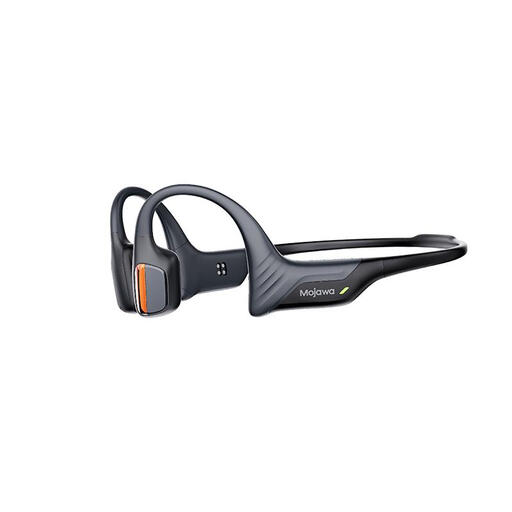
Why this choice suits this profile : Athletes who alternate between running, cycling and training may appreciate the voice controls, microphone and design created to stay securely in place.
The IP67 protection is advertised as resistant to sweat, rain and dust, without being presented as suitable for swimming.
Bluetooth, built-in microphone, voice control, bone conduction audio and a frame designed for activities involving repeated movement.
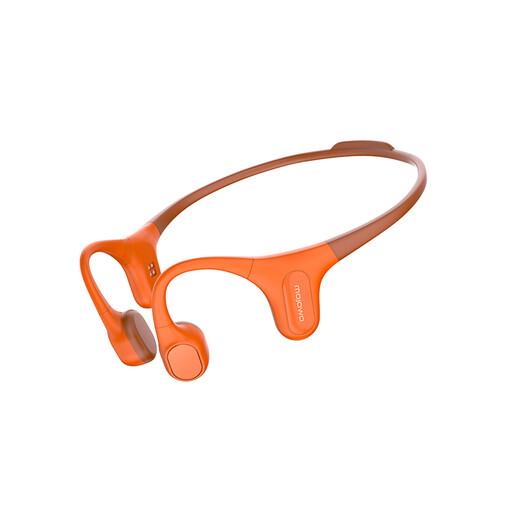
Why this choice suits this profile : This model is aimed at people who want to listen to their files without a phone, particularly while swimming or during extended sessions.
Its MP3 mode means you do not have to rely on Bluetooth underwater. Files must be transferred before the session, and the magnetic contacts dried before charging.
Advertised IP68 protection, 32 GB of internal storage, MP3/WAV/AAC/FLAC/APE compatibility, swimming mode and battery life of up to 8 hours depending on conditions.
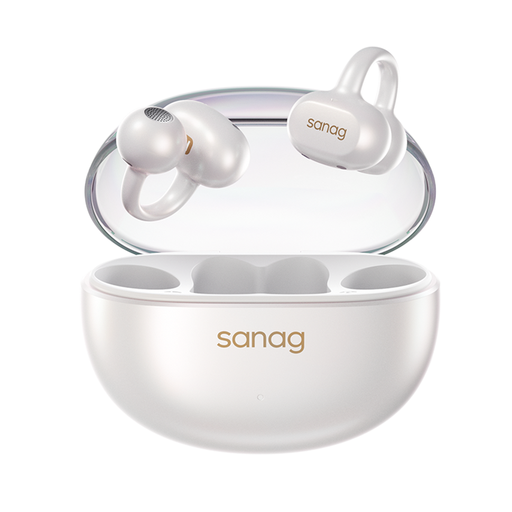
Why this choice suits this profile : The open clip-on design may appeal to people looking for an alternative to in-ear headphones, whether for sport or everyday use.
The product details clearly distinguish the open design from complete isolation and remind users that the device must not be immersed. The volume should be kept moderate.
Over-ear clip-on design, Bluetooth connection, open-back design and advertised noise-reduction function for calls.
We have brought together a complete selection, updated in real time, of products that meet these strict criteria as well as European safety requirements.
They can be an excellent choice thanks to their open design and the absence of ear tips in the ear canal. Above all, check their fit, weight, compatibility with your glasses and access to the controls. In town, keep the volume moderate and do not regard open listening as protection against external dangers.
Not necessarily. An IP67 rating or simply stating that a product is “water resistant” is not enough to confirm that it is suitable for swimming. For pool use, look for a model with MP3 mode, such as the Mojawa Run Plus, and check the immersion limits listed in its product details. Bluetooth must be switched off underwater.
It depends on the battery, frequency of use, storage conditions and maintenance. Avoid leaving them in high heat for extended periods, dry the connectors before each charge, and rinse compatible models after exposure to chlorine or salt. Listening at a sensible volume and following the manufacturer’s instructions will also help preserve the device.