
Livraison le jour même ou le lendemain

Qualité garantie

Débloquez vos offres de bienvenue: Livraison GRATUITE | Jusqu'à -80 % | 30 jours d'essai gratuits à JoyPlus
Téléchargez l'application
For athletes, whether they're into running, cycling, or swimming, music is often the ultimate motivator. The problem? Traditional headphones cut you off from the outside world, which is a real danger in the city or on the road. Bone conduction headphones are the ideal alternative: they leave your ears open so you can stay aware of your surroundings.
However, the market is flooded with marketing promises, and it's easy to get lost. Before pulling out your credit card, it's crucial to know the pitfalls to avoid so you don't regret your purchase.
Too many users are disappointed with their first pair of headphones, often due to misinterpreted specs or well-hidden design flaws. Here are the key things to watch out for.
This is a classic mistake: assuming that any waterproof Bluetooth headphones are suitable for swimming. The majority of models are IP67 certified, which guarantees resistance to temporary immersion (up to 1 metre for 30 minutes). This is perfect for rain or heavy sweat, but completely inadequate for swimming laps in the pool.
Most importantly, remember that the Bluetooth signal doesn't travel underwater. For swimming, you absolutely need MP3 swimming headphones with internal memory and an IP68 certification.
Nothing is worse than headphones that slip or bounce during intense activity: it's a guaranteed distraction. Many models claim to be "for sports," but their light weight doesn't always mean stability, especially during high-impact activities like running or mountain biking. A poorly designed neckband or overly rigid materials can quickly turn your workout into an ordeal.
Bone conduction transmits sound via vibrations on the jawbones, not directly into the ear canal. The result: if the technology isn't perfectly mastered, the sound can seem distant, lack clarity, and, above all, be devoid of bass. Be wary of promises of "deep bass" that aren't backed by technical details: the audio experience is often light-years away from what in-ear headphones deliver.
To avoid making a mistake, focus on these three objective criteria. They are your guarantee of the performance and longevity of your future headphones.
The IP (Ingress Protection) rating is an international standard that assesses a device's resistance to solid objects (first digit) and liquids (second digit).
Comfort and stability depend directly on the headphone's architecture. Models with a neckband, often made of titanium, offer the best compromise between flexibility and support. They conform to the shape of your head and don't budge an inch.
For more versatile use, open-ear headphones with an "ear clip" design attach directly to the auricle. While more discreet, they can be less stable during the most intense sports.
Check the advertised battery life to ensure it covers your longest sessions. Most models last between 6 and 8 hours of playback. For swimmers, internal memory is a non-negotiable criterion. An mp3 swimming headset allows you to store your music and leave your smartphone in the locker room—a necessity since Bluetooth doesn't work underwater.
Here is our selection of models that check all the boxes, for different user profiles.
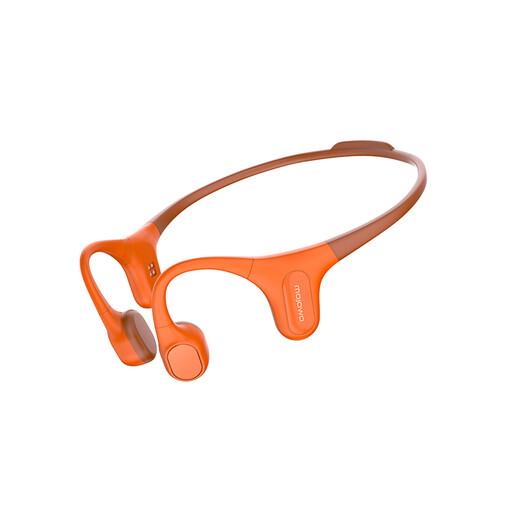
Why it stands out: Specifically designed for water sports, it combines a high-level waterproof rating with ample internal memory, perfectly meeting the demands of swimming where Bluetooth is unusable.
It sidesteps the "fake waterproof" trap with its IP68 certification (submersible up to 2 metres) and its 32GB MP3 player, which makes Bluetooth obsolete in the pool.
Its dedicated swimming EQ mode, which adjusts the sound profile underwater, is a real plus. Battery life of up to 8 hours.
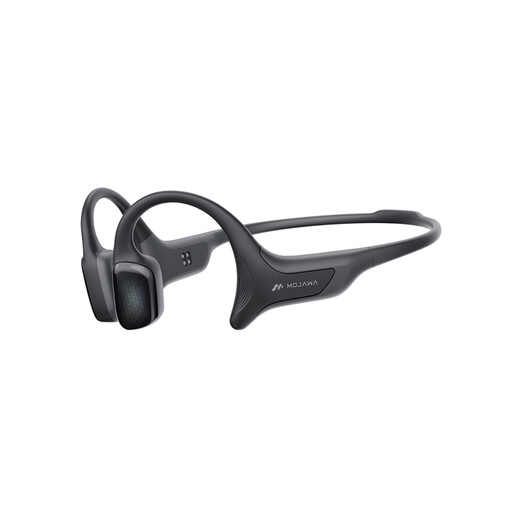
Why it stands out: This is the Swiss Army knife for the do-it-all athlete. Robust enough for running and cycling, it also offers the freedom of an MP3 player for smartphone-free outings.
Its neckband ensures a rock-solid fit, avoiding the pitfall of slipping headphones. Its dual Bluetooth + MP3 player connectivity makes it far more versatile than entry-level models.
The built-in 32GB MP3 storage for phone-free training. Its open-ear design guarantees perfect environmental awareness, a key safety feature.
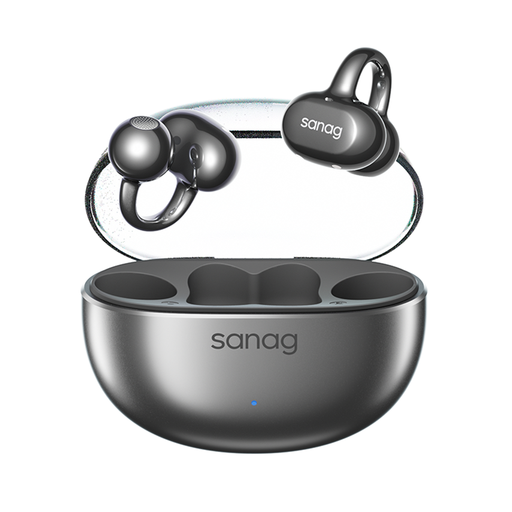
Why it stands out: Ideal for those who want an open-ear listening solution for moderate sports, daily commutes, or the office. Its "ear clip" format is a comfortable and discreet alternative to the classic neckband.
It saves you from paying for features you don't need (like an IP68 rating). Its format is optimised for everyday comfort, not for pure performance.
Its ear clip design is ultra-lightweight and discreet. The noise reduction for calls makes it an excellent companion for hybrid use, blending sports and work.
We have curated a complete range of products that meet our selection criteria and current safety standards.
The longevity of headphones depends on their build quality and how you maintain them. The battery is often the first component to degrade. To preserve it, avoid full discharges and extreme temperatures. For waterproof models, rinsing with fresh water after every swim in the sea or pool is essential to prevent corrosion of the charging connectors. Finally, a titanium neckband will withstand the test of time much better than simple rigid plastic.
No, the sound experience is fundamentally different. Bone conduction generates sound through vibrations, which often results in less prominent bass than with in-ear headphones that seal the ear canal. However, recent models have made enormous progress and offer clear, well-balanced sound. But the main advantage remains safety: you can enjoy your music while staying fully aware of your environment.
Absolutely, that's their very purpose. By leaving your ear canals unobstructed, these open-ear sports headphones allow you to hear all surrounding noises: traffic, a pedestrian, another cyclist... This "situational awareness" drastically reduces the risk of accidents, making them the safest choice for any activity in the city or on the road.