
Livraison le jour même ou le lendemain

Qualité garantie

Débloquez vos offres de bienvenue: Livraison GRATUITE | Jusqu'à -80 % | 30 jours d'essai gratuits à JoyPlus
Téléchargez l'application
Hearing your music without tuning out the world around you: that's the promise of bone conduction headphones. A particular favourite among athletes and active city dwellers, this type of wireless sport headphone has been a game-changer for on-the-go listening. But with an overwhelming number of options on the market, it's easy to fall for marketing ploys. As a product expert for Joybuy, my role is to help you decode the spec sheets to make an informed choice that truly fits your needs.
Before you take the plunge, here are 3 common pitfalls to avoid:
To ensure you make the right choice, here are the essential criteria to check.
The Ingress Protection (IP) rating is your best indicator for evaluating a device's resistance to dust and water. It consists of two numbers:
Remember: for swimming, open-ear Bluetooth headphones are useless. A built-in MP3 player is therefore mandatory for listening to music in the pool.
Whether you're running a marathon or shredding MTB trails, your headphones shouldn't move an inch.
Rather than a simple product list, we've selected models that meet specific needs, keeping the pitfalls we've discussed in mind.
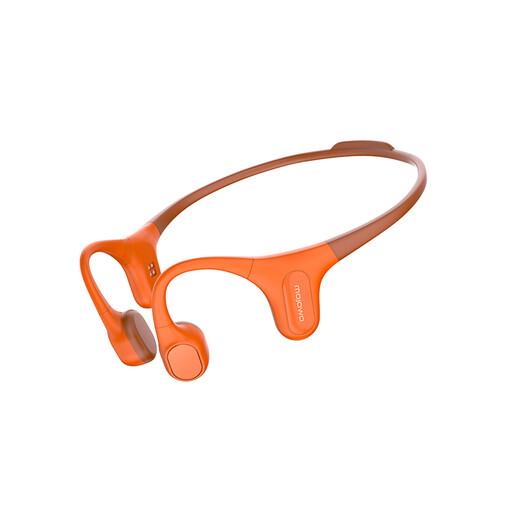
Why it's the right fit: Designed for those who rack up laps in the pool and miles on the pavement. The triathlete needs a single audio solution for their entire workout, without juggling multiple devices.
It sidesteps the 'underwater Bluetooth' trap with its built-in 32GB MP3 player and IP68 certification, which guarantees waterproofing down to 2 metres. It's not just 'water-resistant'; it's truly designed for swimming.
Switching from Bluetooth to MP3 mode is a breeze. Its dedicated swimming equaliser adjusts the sound profile once you're in the water. The fast charging is a real bonus: 5 minutes is enough for 80 minutes of playback.
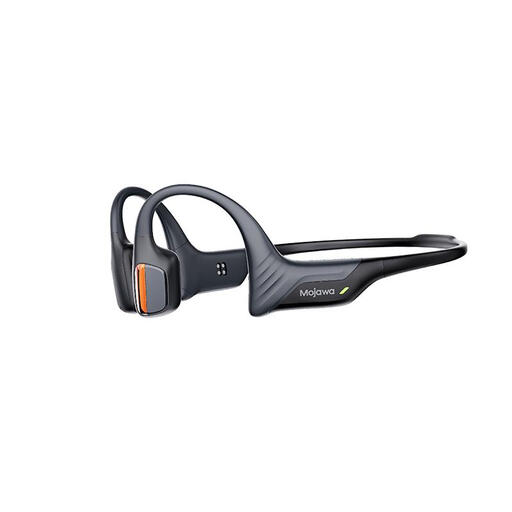
Why it's the right fit: For the outdoor athlete, safety is non-negotiable. They need a lightweight, stable, and reliable headset for their daily outings that can handle sweat and bad weather.
It directly tackles the problem of comfort and fit. Its ergonomic design ensures perfect stability even during intense activities, preventing the bouncing and pressure points that are deal-breaking flaws of entry-level models.
The IP67 certification is ideal for running and cycling, offering flawless protection against sweat and rain. The convenient voice control and built-in microphone let you manage calls and music without ever pulling out your smartphone.
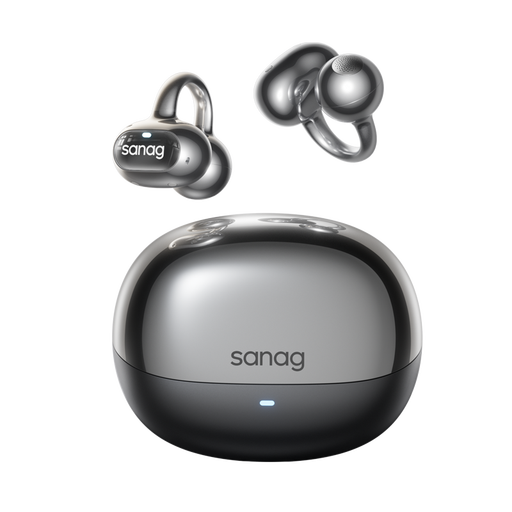
Why it's the right fit: This user is looking for a discreet and comfortable open-ear solution for hybrid use: a light workout, the daily commute, or video calls while working from home, all without the hassle of a neckband.
It clears up the ambiguity between 'bone conduction' and 'open-ear'. These ear clip headphones offer an open-ear listening experience without direct contact with the bone, an approach some find more comfortable over long periods.
Its ultra-discreet and lightweight form factor is ideal for glasses wearers and won't interfere with any hairstyle. The fact that the two earbuds are independent offers great flexibility (you can wear just one, for example).
Explore our full selection of products that meet our rigorous selection criteria and current safety standards.
True bone conduction uses transducers that transmit micro-vibrations through the jaw and temporal bones directly to the inner ear. The eardrum is therefore bypassed. Clip-on headphones, also called "open-ear," are actually mini-speakers placed near the ear canal without ever blocking it. The result is similar—you remain aware of your surroundings—but the technology is different. Bone conduction provides a more "physical" perception of bass, while clip-on models may have slightly more noticeable sound leakage.
Yes, but only if you choose a model specifically designed for it. It must meet two essential criteria: an IP68 waterproof certification and a built-in MP3 player. Since the Bluetooth signal doesn't travel well through water, the Bluetooth mode on any headset becomes useless as soon as your head is submerged.
The sound quality of bone conduction headphones has made huge strides. However, by their very design (leaving the ear canal open), they can't compete with in-ear earbuds or closed-back headphones in terms of isolation and bass depth. Their strength lies not in absolute audiophile fidelity, but in the unique balance between musical enjoyment and environmental awareness. It's an ideal compromise that prioritises safety and comfort.