
Livraison le jour même ou le lendemain

Qualité garantie

Débloquez vos offres de bienvenue: Livraison GRATUITE | Jusqu'à -80 % | 30 jours d'essai gratuits à JoyPlus
Téléchargez l'application
Enjoying music while working out and staying aware of your surroundings: that's the promise of bone conduction headphones. Whether you're an urban runner, a seasoned cyclist, or a gym regular, safety is a top priority. These headphones, which leave your ears completely open, are emerging as the ideal solution. However, the market is flooded with marketing promises that often lead to disappointment.
As a Product Expert at Joybuy, my role is to help you cut through the noise. Let's break down the common pitfalls to avoid and the technical criteria that truly matter, so you can make an informed choice.
Before you take the plunge, be wary of these three common issues that often ruin the user experience:
To avoid falling for marketing hype, rely on objective criteria. Here are the three key points to check.
The Ingress Protection (IP) rating is your only reliable benchmark for judging the durability of waterproof headphones. It consists of two digits; the second is the most important for athletes (protection against liquids).
Open-ear headphones must stay perfectly in place without causing any discomfort.
Nothing is more frustrating than a battery dying mid-workout. Check the advertised continuous playback time; 6 to 8?hours is a good standard. Also, consider the microphone quality if you plan on taking calls. Some models integrate ambient noise-cancellation technologies to ensure your voice remains perfectly clear, even outdoors.
Rather than a random list, we've matched each product to a specific user profile to better illustrate its real-world use.
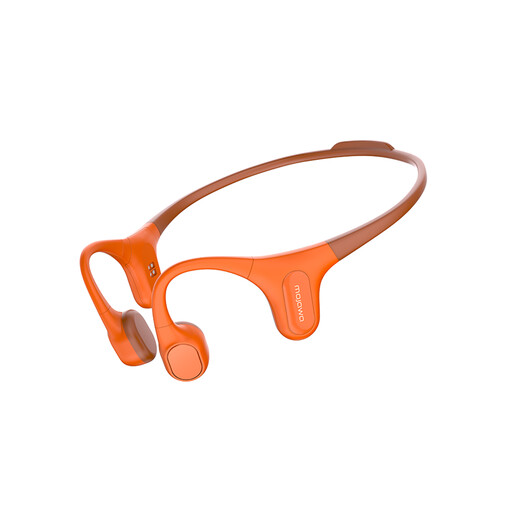
Why it's the right choice: Specifically designed for water sports, it combines maximum waterproofing with internal memory. This makes it completely self-sufficient for your laps in the pool, without relying on your smartphone.
It overcomes the false promise of waterproofing. Its IP68 rating is built for immersion, and its integrated 32GB MP3 player bypasses the hurdle of underwater Bluetooth connectivity.
Its dual functionality: Bluetooth mode for daily use and MP3 mode for swimming or phone-free outings.
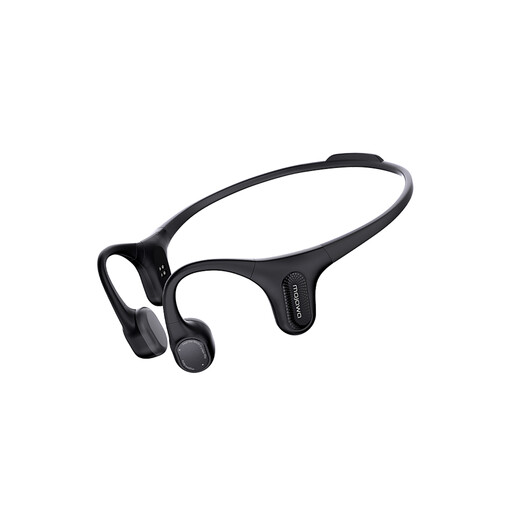
Why it's the right choice: Built for long distances. Its ergonomic design ensures a flawless fit during exertion, while its IP67 certification protects it from sweat and bad weather.
It directly tackles the pitfall of poor comfort. Its structure is engineered for rock-solid stability, preventing slips or annoying pressure points, even on rough terrain.
Its IP67 certification offers far greater peace of mind than the standard IPX4/5, without the added features (and cost) of a dedicated swimming model.
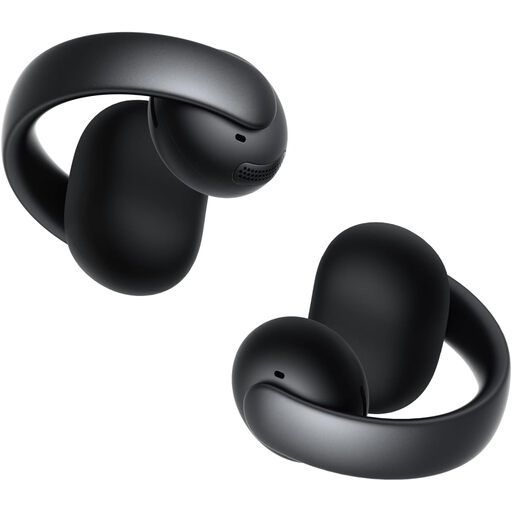
Why it's the right choice: This isn't bone conduction, but a clip-on "open-ear" design. It's perfect for those who prioritise long-term comfort, from workouts to the office, with an emphasis on call clarity.
It sidesteps the trap of "oversold" audio quality. By using directional speakers, it delivers richer sound, especially in the bass, while minimising sound leakage and leaving the ear open.
Superior call quality thanks to its 4 microphones and AI processing that isolates your voice from background noise. An excellent choice for hybrid sport/office use.
Explore our complete, up-to-date selection of products that meet our quality criteria and current safety standards.
No, the experience is different. The sound is transmitted by vibrations, which means bass is often perceived as less deep compared to in-ear earbuds that seal the ear canal. The primary goal of this technology isn't to compete with a hi-fi headset, but to offer the best compromise between listening to music and maintaining environmental awareness for maximum safety.
Absolutely not. Only models specifically designed for this purpose are suitable. They must not only be IP68 certified but also—and this is the crucial point—include internal storage (an MP3 player). Since the Bluetooth signal doesn't travel underwater, it's impossible to stream music from your smartphone.
Yes, in most cases. Most models are designed with a thin band that sits behind the head, while the modules rest just in front of the ears. This setup coexists easily with the arms of glasses, whether they are prescription or sunglasses. It's often even more comfortable than on-ear headphones, which can create painful pressure points on the outer ear.