
Livraison le jour même ou le lendemain

Qualité garantie

Débloquez vos offres de bienvenue: Livraison GRATUITE | Jusqu'à -80 % | 30 jours d'essai gratuits à JoyPlus
Téléchargez l'application
Bone conduction headphones have become the go-to audio solution for athletes and mobile professionals. By leaving your ears open, they allow you to remain aware of your surroundings—a significant safety advantage. But with a rapidly expanding market, marketing traps are everywhere. Our mission?: to help you decode the spec sheets and make an informed choice that's genuinely right for you.
Before you dive in, watch out for these three common pitfalls?:
To avoid falling for marketing ploys, these are the technical specifications you absolutely must verify. They are the only true indicators of the performance and durability of open-ear headphones.
The Ingress Protection (IP) rating is your best guide. It consists of two digits?: the first for dust resistance, and the second for water resistance.
The choice of connectivity will depend on your use case.
Good safety headphones for cycling or running should be so comfortable you forget you're wearing them. Several factors contribute to this?:
To give you a clearer picture, here’s how these criteria translate to specific models designed for different types of users.
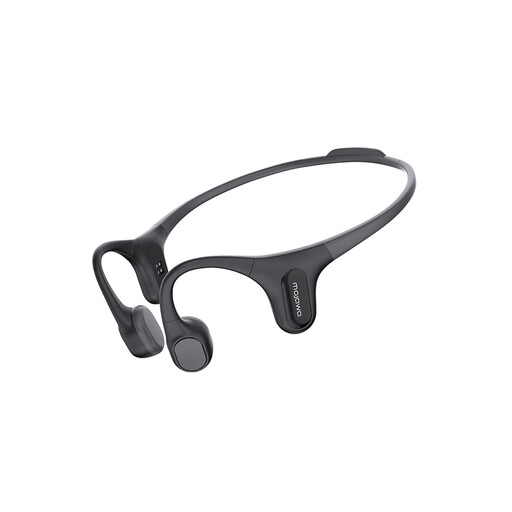
Why it's a great choice : Designed for athletes who move from the track to the pool, these headphones combine Bluetooth connectivity for land-based workouts with a 32 GB MP3 player for swimming sessions.
It sidesteps the “ fake waterproof ” trap with its IP68 certification and integrated MP3 player, making it 100 % functional underwater.
Its dual functionality (Bluetooth 5.2 + 32 GB MP3 player) and IP68 rating give it unbeatable versatility.
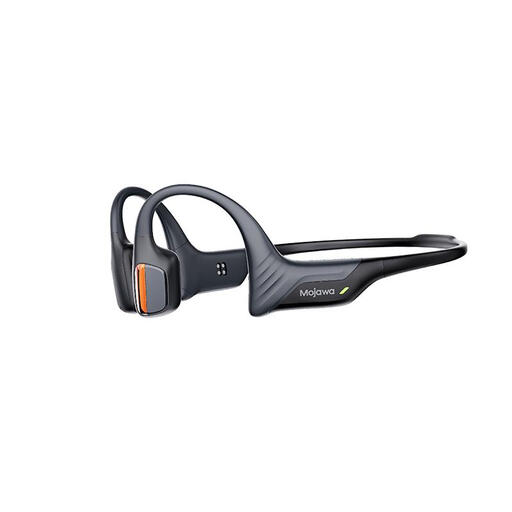
Why it's a great choice : These headphones are built for intense activities like running and cycling. Their ergonomic design ensures a stable fit, while the IP67 certification protects them from sweat and rain.
It solves the problem of an unstable fit with a frame designed to stay put, even during the most extreme workouts.
An infallible fit and IP67 certification : the winning combination for outdoor endurance sports.
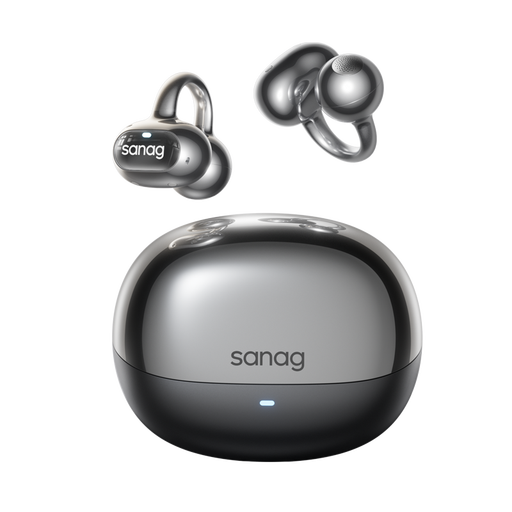
Why it's a great choice : For those who want an “ open-ear ” solution at the office, on their commute, or for calls, this clip-on style is the ultimate discreet and comfortable alternative, even when worn for hours.
It avoids the uncomfortable headband trap by adopting an “ ear clip ” design that doesn't squeeze your head, making it perfect for extended use.
Its discreet and lightweight open-ear clip design won't interfere with glasses or helmets (bike, construction, etc.).
Explore our full selection of products that meet our demanding selection criteria and current safety standards.
No, and that's by design?: the technology is different. Bone conduction headphones transmit sound through vibrations on your jawbones, directly to the inner ear. While mids and highs are often reproduced clearly, the bass lacks the punch of in-ear earbuds that seal the ear canal. However, the latest models have made huge strides in delivering deeper bass without creating unwanted vibrations.
Yes, absolutely. Most neckband models are designed to be worn comfortably with glasses. The band rests above your ears, where the arms of your glasses also sit. Editor's tip?: put your headphones on first, then place your glasses over them for maximum comfort. As for clip-on models, they eliminate the issue altogether.
It's simple, but essential for your headphones' longevity. After every session, especially after heavy sweating, it's recommended to wipe them down with a soft, dry cloth. For waterproof (IP68) models used in a pool, rinsing them with fresh water after every swim is mandatory to remove highly corrosive chlorine or salt. Finally, always make sure the magnetic charging connectors are completely dry before plugging in the cable. This is the best way to prevent a short circuit.