
Livraison le jour même ou le lendemain

Qualité garantie

Débloquez vos offres de bienvenue: Livraison GRATUITE | Jusqu'à -80 % | 30 jours d'essai gratuits à JoyPlus
Téléchargez l'application
Bone conduction headphones are becoming increasingly popular among athletes and commuters, and for good reason. They let you listen to music or podcasts while keeping your ears open—a significant safety advantage outdoors. However, the market is now saturated with models whose marketing claims can be... optimistic. As a product expert at Joybuy, I'm here to help you separate fact from fiction. To make an informed decision, let's review the common pitfalls and essential criteria.
Navigating the jungle of options can quickly become a headache. As a result, many buyers end up with a product that doesn't meet their expectations at all, often due to misunderstood features.
mp3 swimming headphones, a built-in MP3 player with sufficient storage is non-negotiable. Many models overlook this feature, making them completely useless in the pool.To avoid these pitfalls, here are the technical points you must check to assess the true utility of bone conduction headphones for your sport.
The Ingress Protection (IP) rating is an international standard that classifies a device's resistance to solids (first digit) and liquids (second digit).
mp3 swimming headphones.waterproof sport earbuds intended for running or cycling in the rain.It all depends on your sport.
Open-ear running headphones allow you to stay connected while remaining aware of your surroundings. Some models offer multipoint connection to easily switch between two devices (e.g., your phone and smartwatch).Bone conduction technology is inherently safer for outdoor activities. By leaving the ear canal open, bone conduction cycling headphones allow you to remain aware of cars, horns, and other ambient sounds. Ensure the headband is made from a flexible yet sturdy material (like titanium) to guarantee a perfect fit without causing discomfort, even when worn with glasses or a bike helmet.
Instead of an exhaustive list, we've selected specific models for specific use cases. Find the one that's right for you.
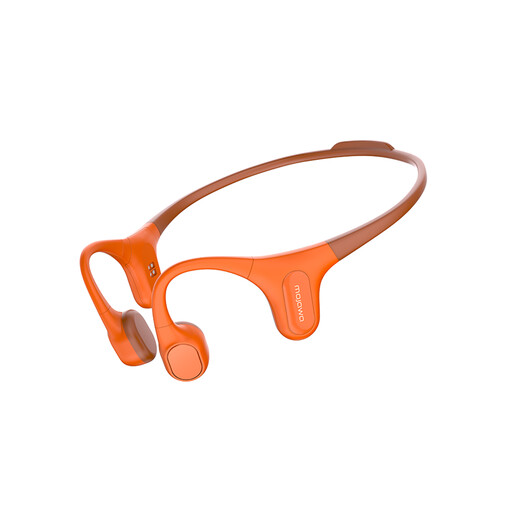
The Lowdown: Engineered for swimming, it checks all the boxes: maximum waterproofing and a 32GB MP3 player for completely autonomous listening underwater, no smartphone needed.
It avoids the "fake waterproofing" trap! With its IP68 certification (fully submersible) and built-in MP3 player, it solves the problem of Bluetooth not working underwater.
Its standalone 32GB MP3 mode and IP68 waterproof rating make it the king of the pool.
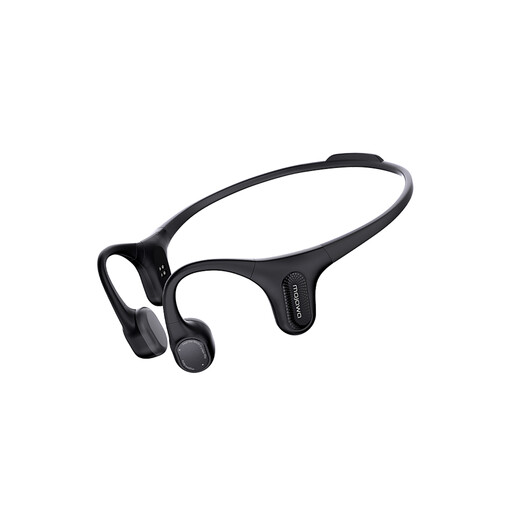
The Lowdown: An excellent choice for safety-conscious runners and cyclists. Its `open-ear` design lets you stay aware of traffic, and its IP67 certification effortlessly protects it from sweat and rain.
Its frame is designed for stability, preventing the slipping and uncomfortable pressure points common in entry-level models during exercise.
Secure and stable design with high resistance to sweat and rain (IP67).
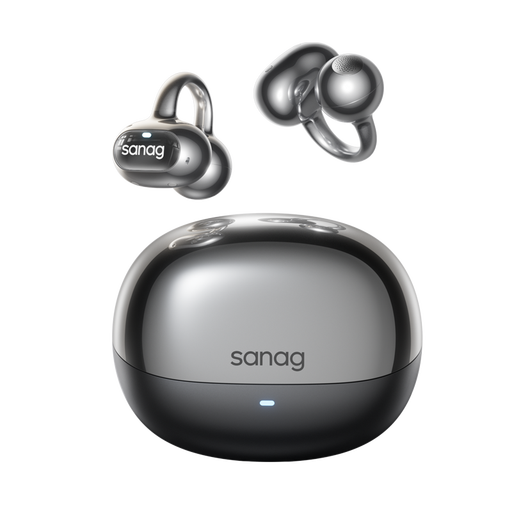
The Lowdown: An `open-back` ear-clip model that offers a comfortable alternative for light sports and daily use (office, commuting), without inserting anything into the ear canal.
It provides an `open-ear` experience without the high cost of ultra-specialised models, so you avoid paying for features (like IP68) that are unnecessary for mixed use.
Comfortable ear-clip design and great versatility for both daily life and sports.
Explore our full selection of models that meet our quality criteria and current safety standards.
It all depends on the build quality and, most importantly, the care you take. On average, a well-maintained model can last from 2 to 5 years. The weakest link is often the integrated battery. For swimming models, it is crucial to rinse the headphones with fresh water after every use in a pool (chlorine) or the sea (salt) and dry them thoroughly to prevent corrosion of the charging contacts.
The listening experience is fundamentally different. Bone conduction transmits sound through vibrations on the jawbones, which means the bass may seem less punchy than with in-ear headphones. However, the clarity of vocals and mid-range frequencies is excellent. The real advantage of this technology isn't the pursuit of audiophile fidelity, but the safety and comfort of having your ears unobstructed.
Yes, the vast majority of models are designed for this. Their thin, flexible headband fits easily between the arms of glasses and the straps of bone conduction cycling headphones. Comfort can vary slightly depending on your head shape and accessories, so trying them on can be helpful to confirm the fit.