
Livraison le jour même ou le lendemain

Qualité garantie

Débloquez vos offres de bienvenue: Livraison GRATUITE | Jusqu'à -80 % | 30 jours d'essai gratuits à JoyPlus
Téléchargez l'application
There's nothing like listening to music to stay motivated during a workout. The problem?: shutting yourself off from the outside world with traditional headphones can be dangerous, both in the city and out in nature. Not to mention the discomfort of in-ear models that completely block the ear canal. This is where bone conduction headphones come in, a technology that has become the go-to solution for many safety-conscious athletes.
The principle is simple?: by leaving the ear canal open, this technology allows you to listen to your music while remaining fully aware of your surroundings. Whether you're a runner, cyclist, swimmer, or simply looking for a more comfortable solution for your calls, this guide is here to help. We'll break down the essential buying criteria and present our selection of the must-have models for 2026.
The market is flooded with models, each with its own specific features. To make the right choice, it's crucial to look at a few key technical characteristics, which you should evaluate based on your sport.
The Ingress Protection (IP) rating is an international standard that measures a device's resistance to water and dust. For Bluetooth sports headphones, this is a simply non-negotiable criterion.
The music source is another decisive factor.
Open-ear headphones are designed to be worn for hours on end. Lightness and ergonomics are therefore paramount?: good headphones should be so comfortable you forget you're wearing them. If you plan to make calls outdoors, the quality of the microphones is a point not to be overlooked. The best models integrate ambient noise (and wind) reduction technologies and multiple microphones to ensure perfectly clear conversations, even during intense effort.
Here is our selection of models that caught our attention, each excelling in a specific area.
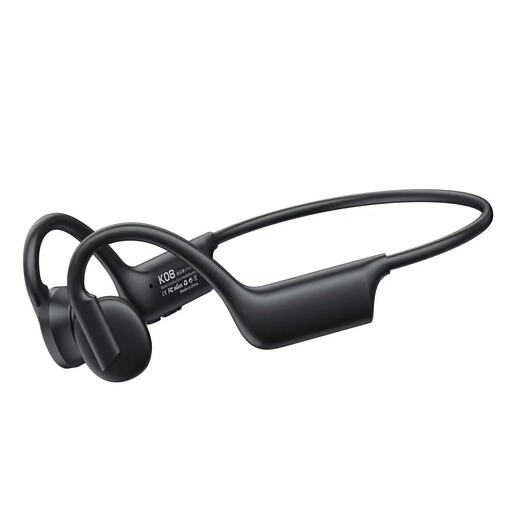
Why it stands out?: The Verbex K08 is an excellent entry point into the world of bone conduction. It gets straight to the point?: lightweight, comfortable, and a reliable Bluetooth connection for both music and calls. Its simple and effective design makes it a discreet companion for your regular workouts.
Key features?:
Who is it for? This model is for runners, cyclists, and gym-goers looking for simple, effective, and affordable Bluetooth sports headphones to stay connected to their environment.
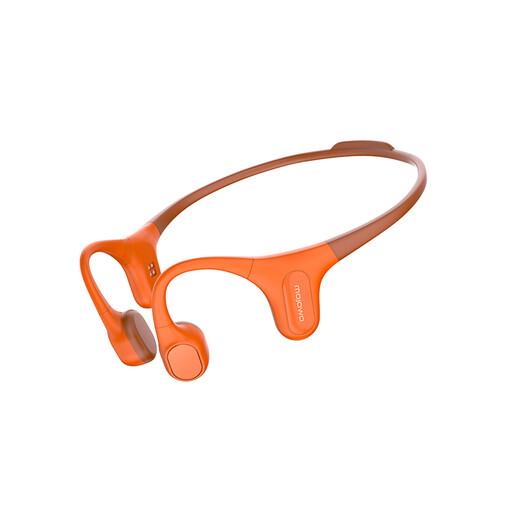
Why it stands out?: The Mojawa Run Plus plays in the big leagues. It's the ultimate all-rounder, designed for performance. Its key advantage?: an IP68 waterproof rating combined with a built-in MP3 player, making it one of the few headphones truly designed for swimming.
Key features?:
Who is it for? This is the obvious choice for swimmers, triathletes, and all athletes who want to completely free themselves from their smartphone during exercise. If you're looking for MP3 swimming headphones that deliver, this model is an essential benchmark.
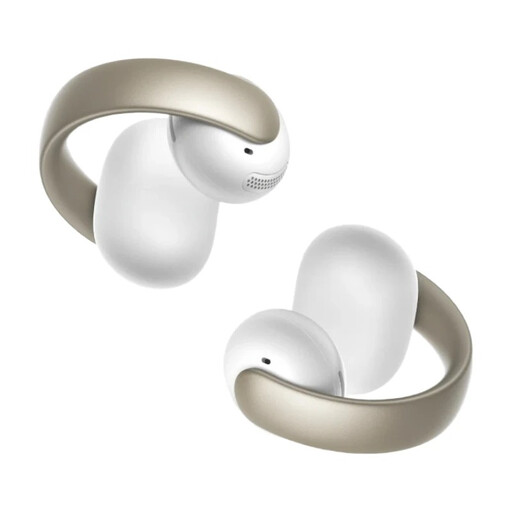
Why it stands out?: Note that this isn't strictly bone conduction. The Soundcore AeroClip belongs to the broader family of open-ear sports headphones. Its unique clip-on design attaches to the outer ear without ever obstructing it. Its real strength?: impeccable call quality, driven by cutting-edge microphone technology.
Key features?:
Who is it for? Ideal for urban commuters who juggle sports, public transport, and the office. If you make a lot of calls on the go and voice clarity is non-negotiable, while still demanding the comfort of open-ear headphones, the AeroClip is a top-tier alternative.
Our selection focuses on specific use cases, but the open-ear headphone market is much larger and evolving rapidly. Other models might win you over with their record-breaking battery life, original design, or unique sound signature.
If you haven't found what you're looking for yet, feel free to explore our full catalogue.
? Discover our complete range of open-ear sports headphones
No, and that's by design. Bone conduction technology transmits sound via vibrations on the jawbones, not through the ear canal. The perception is therefore fundamentally different. Generally, the sound is very clear for voices, mids, and highs. The bass, however, is often more subdued than with in-ear headphones that benefit from passive isolation. The primary advantage remains safety and comfort?: a trade-off that most athletes find worthwhile.
This phenomenon is known as "sound leakage," and it's the historic weakness of this technology. Rest assured, recent models have made huge progress in reducing it. At a normal listening volume, leakage is almost non-existent. Only when you crank the volume to the max in a quiet office might your immediate neighbour perceive a faint buzz. Outdoors, it's completely inaudible to those around you.
Absolutely. In fact, it's one of their primary uses. Wearing safe cycling headphones of this type allows you to perfectly hear traffic noises (cars, horns, pedestrians, other cyclists) while listening to your music or GPS directions. Awareness and safety are greatly enhanced, whether in the city or on the road.