
Livraison le jour même ou le lendemain

Qualité garantie

Débloquez vos offres de bienvenue: Livraison GRATUITE | Jusqu'à -80 % | 30 jours d'essai gratuits à JoyPlus
Téléchargez l'application
Whether you're a runner mindful of traffic, a safety-conscious cyclist, or simply can't stand in-ear headphones, open-ear audio technology has serious advantages. Bone conduction headphones and their air conduction cousins promise one thing: letting you enjoy your music without shutting out the world.
The problem is, the market is flooded with marketing jargon and technical promises that can be confusing. As a Product Expert at Joybuy, I'm here to help you see things more clearly. Let's break down the pitfalls to avoid and the criteria that truly matter for making the right choice.
Buying a pair of open-ear Bluetooth sports headphones can quickly turn into a disaster if you overlook certain crucial details. Here are the most common mistakes.
ear clip headphones. The latter direct sound towards your ear canal without blocking it, whereas true bone conduction transmits sound through vibrations via your cheekbones. Both approaches leave your ears open, but the listening experience and relationship with ambient noise are completely different.running headphones for a downpour, let alone MP3 swimming headphones, an IPX4 rating will be completely inadequate and will lead straight to failure.To avoid these disappointments, focus on three objective criteria that will make all the difference and ensure your open-ear audio headphones are well-suited to your needs.
Understanding the technology is the first step to making the right choice.
The IP rating consists of two numbers, but for headphones, it's the second one that matters to us (water resistance).
These practical details make all the difference in daily use.
Here is a selection of models that cater to specific user profiles, applying the criteria we've just discussed.
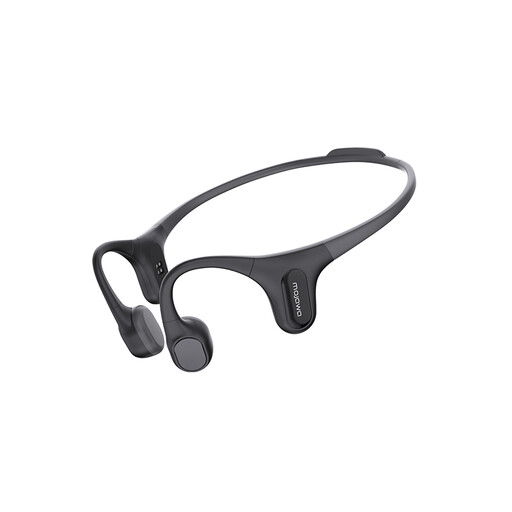
Why we chose it: This model is for athletes who set no limits. Perfect for running, cycling, and especially swimming, it ticks all the right boxes.
Its certified IP68 immersion rating sidesteps the false waterproofing trap, while its built-in 32GB MP3 player compensates for the inevitable loss of Bluetooth signal underwater.
Its true waterproof rating (certified for swimming) and integrated MP3 storage allow for 100% standalone use, no phone required. Ideal for pool workouts or completely untethered runs.
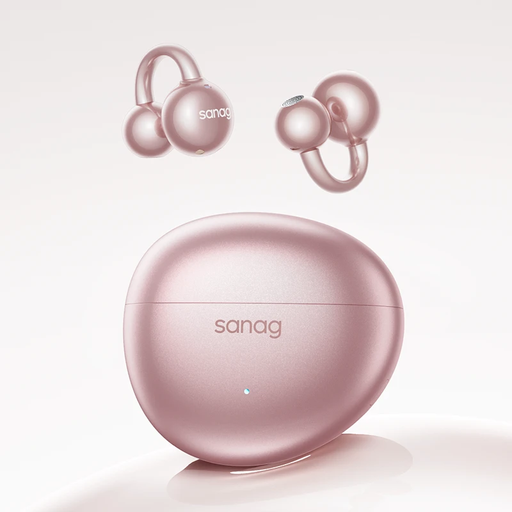
Why we chose it: For urban workouts, safety is non-negotiable. This model relies on true bone conduction technology to keep you fully aware of traffic, pedestrians, and other hazards.
It doesn't fall for the marketing "concept" gimmick: these are true bone conduction headphones, avoiding the technological ambiguity pitfall. Their neckband design ensures a stable fit that prevents slipping during exercise.
"Pure" bone conduction technology guarantees maximum environmental awareness. Its design has been specifically engineered for stability, even during high-impact activities like running.
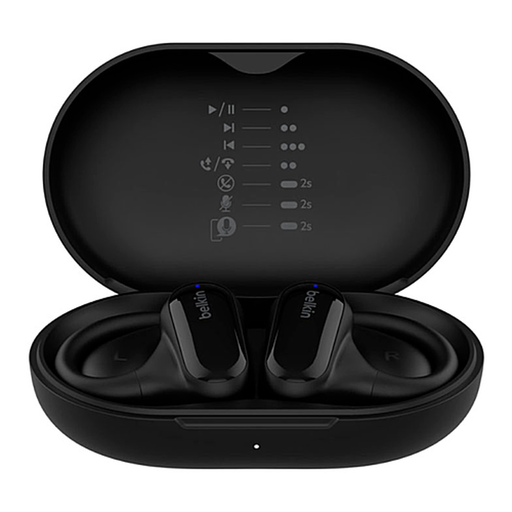
Why we chose it: The perfect companion for juggling professional calls on your computer and music on your smartphone. Its open-ear design lets you stay aware of your colleagues while ensuring optimal long-term comfort.
This model is transparent about its capabilities: its IPX5 rating is clearly stated as sweat and splash resistant, without making false promises. Its value lies in practical features rather than over-the-top sports marketing.
Its real strength is the Bluetooth 5.3 multipoint connectivity. This is complemented by good call quality (thanks to ENC ambient noise reduction) and a design focused on all-day comfort.
Find our complete selection of models that meet our quality criteria and safety standards.
The sound quality is different from that of traditional headphones. Since the ear canal is not blocked, bass is often less present, and the sound is perceived as more "airy." It's a trade-off: you sacrifice some audio immersion for a major gain in safety and comfort. It all depends on your priorities.
Yes, the vast majority of models are compatible. The neckband sits behind your neck, and the earpieces themselves rest in front of your ears, leaving room for the arms of your glasses or the straps of your bike helmet. You just need to ensure the neckband isn't too thick, but compatibility is generally excellent.
The difference is technical but simple to understand. Bone conduction headphones transmit sound via vibrations applied to the cheekbones, which travel directly to the inner ear. Air conduction headphones (or open-ear earbuds) use tiny speakers that direct sound towards the ear canal without blocking it. In both cases, the goal is the same: to keep your ears free so you can remain aware of your surroundings.