
Livraison le jour même ou le lendemain

Qualité garantie

Débloquez vos offres de bienvenue: Livraison GRATUITE | Jusqu'à -80 % | 30 jours d'essai gratuits à JoyPlus
Téléchargez l'application
Nothing gets you motivated for a workout like your favourite playlist. The catch? Traditional headphones cut you off from the outside world, a real danger for urban runners or cyclists on the road. This is where bone conduction headphones come in: they deliver sound without blocking your ears, leaving you fully aware of your surroundings.
However, choosing the right model isn't so simple. The market is a jungle of marketing promises where it's easy to fall for the hype. As the head of the audio section, my mission is to help you cut through the noise. Here are the 3 most common pitfalls and how to avoid them before you pull out your credit card.
Many models boast of being "water-resistant," a catch-all term that hides huge differences. Open-ear sports headphones designed for sweat will never survive a dive into the pool. Buying a model with inadequate protection for your activity is a fast track to premature failure.
Spotted a pair of Bluetooth-compatible waterproof swimming headphones? Be wary. Bluetooth waves travel very poorly through water. Just a few centimetres deep, the signal will drop, and your headphones will become useless. To swim to music, another technology is essential, and brands don't always talk about it...
A headset can boast record-breaking battery life and impressive sound quality, but if it causes pressure points or slips during your run, it will end up in a drawer. The design, weight, and materials of the frame are just as crucial as the electronic specs, especially for Bluetooth sports headphones that you'll wear for hours on end.
To avoid buyer's remorse, focus on these few technical specifications. They will guide you to the model that's truly right for you.
The Ingress Protection (IP) rating is an international standard that classifies a device's level of protection against solids (first digit) and liquids (second digit). For audio headsets, the second digit is what matters to us.
Connectivity is crucial. Bluetooth sports headphones are perfect for running, cycling, or the gym, allowing you to stream audio from your smartphone.
However, as we've seen, Bluetooth is a non-starter underwater. If your goal is to swim laps to music, you absolutely must choose a model with a built-in MP3 player. These headphones have internal storage (e.g., 8?GB, 16?GB, or 32?GB) where you can directly copy your audio files. It's the only reliable technology for use in a pool.
Bone conduction technology relies on transducers that vibrate against your jawbones. A perfect fit is therefore essential, not only for comfort but also for sound delivery.
To put theory into practice, here are a few models that perfectly illustrate these criteria for different types of users.
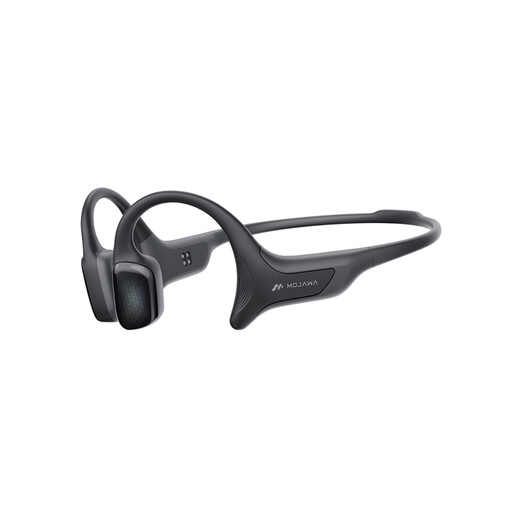
Designed for the most demanding athletes, this model combines a perfect-for-swimming IP68 waterproof rating with large internal storage for hours of music, far from your smartphone.
It bypasses the underwater Bluetooth trap with its built-in 32 GB MP3 player. Its IP68 rating is a true guarantee of immersion-proofing, not just splash resistance.
Dual connectivity with Bluetooth 5.2 and a standalone MP3 player. Very large storage capacity for thousands of tracks.
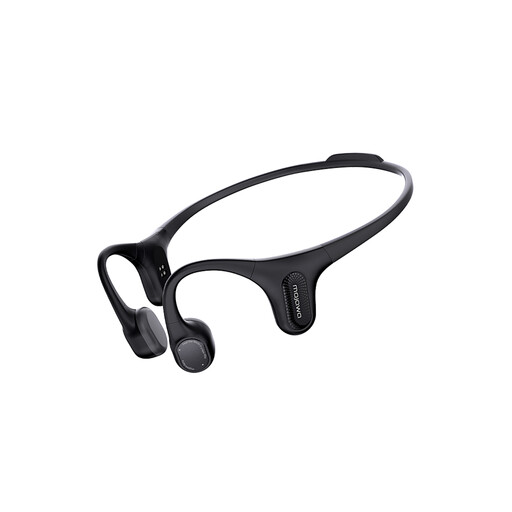
The perfect companion for outdoor athletes who need to stay aware of their surroundings. Its design is focused on stability and weather resistance, without the superfluous features needed for swimming.
It advertises an IP67 rating, providing solid and transparent protection for land-based sports without over-promising on immersion-proofing. Its frame ensures a reliable fit, avoiding the annoyance of a wobbly headset.
Excellent balance of light weight, secure fit, and IP67 waterproofing. Perfect for daily use while running or cycling.
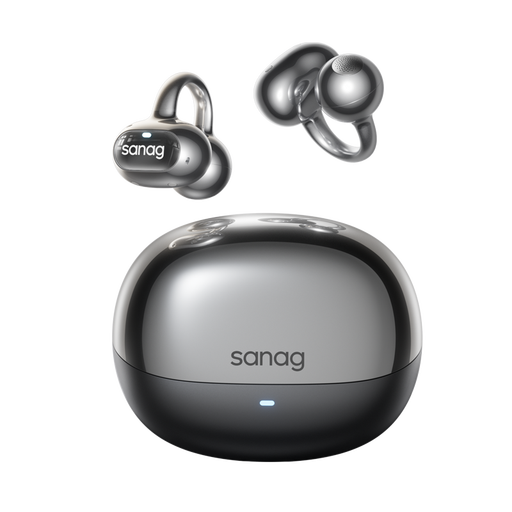
For those who want a discreet "open-ear" solution without the neckband. Ideal for taking calls in an open-plan office while staying attentive, or for a moderate workout session.
This model avoids the "one-size-fits-all" trap by offering a "ear clip" design, a true ergonomic alternative. It doesn't claim to be built for extreme conditions but positions itself as an excellent audio multi-tool.
Ultra-discreet format without a neckband. "Open-Ear" design that leaves the ear canal completely free for maximum comfort.
Discover our full selection of headphones that meet our criteria for quality and safety.
Like any audio device, prolonged listening at full volume carries risks for your hearing. Bone conduction is no exception. The golden rule: keep the volume moderate, enough to enjoy your audio without blocking out important sounds around you.
The experience is different, and that's the whole point. Sound is transmitted through vibrations, bypassing the eardrum. Bass may therefore seem less present than with earbuds that seal the ear. However, for voices (calls, podcasts) and listening on the move, the clarity is excellent. The number one advantage remains the safety and comfort of having unobstructed ears.
This is a crucial step to ensure their longevity. After each use in a pool (chlorine) or the sea (salt), a rinse with fresh, clean water is essential. Pay close attention to the magnetic charging contacts. Make sure the headset is completely dry before plugging it in to charge to avoid any risk of corrosion or short-circuiting.