
Livraison le jour même ou le lendemain

Qualité garantie

Débloquez vos offres de bienvenue: Livraison GRATUITE | Jusqu'à -80 % | 30 jours d'essai gratuits à JoyPlus
Téléchargez l'application
Whether you're running in the city, cycling down a country road, or swimming laps in the pool, athletes know that music is a powerful motivator. However, shutting yourself off from the world with traditional earbuds isn't without its risks. This is where bone conduction headphones come in—a technology that transmits sound through vibrations on your jawbones, leaving your ears open to stay aware of your surroundings.
But be warned: the market is flooded with misleading marketing promises. Before you make a decision, it's crucial to understand the most common pitfalls to avoid a purchase you'll regret.
The buzz around open-ear headphones has attracted a flood of manufacturers, but not all products are created equal. To avoid falling into a trap, here are the key mistakes to steer clear of.
To make an informed choice, focus on the features that truly matter for your specific sport.
IP (Ingress Protection) Rating: This is the number one criterion that defines the level of waterproofing.
Connectivity and Storage:
Battery Life: Check the advertised continuous playback time. A good average is between 6 and 8 hours, enough to cover most workouts, including a marathon. Some models offer fast charging, a real bonus for athletes in a hurry.
Rather than drowning you in an endless list of products, we've selected a few standout models and matched them with user profiles to help you find your perfect fit.

Why this model: Designed for athletes who switch between land and water. Its dual Bluetooth and MP3 player functionality makes it the perfect ally for triathlons or swimming sessions.
With its IP68 certification and 32GB of internal memory, it checks all the boxes for swimming, sidestepping the pitfalls of fake waterproofing and reliance on Bluetooth underwater.
Its versatility is its greatest strength, thanks to dual connectivity (Bluetooth + MP3). It even includes a dedicated swimming EQ to optimize sound quality underwater.
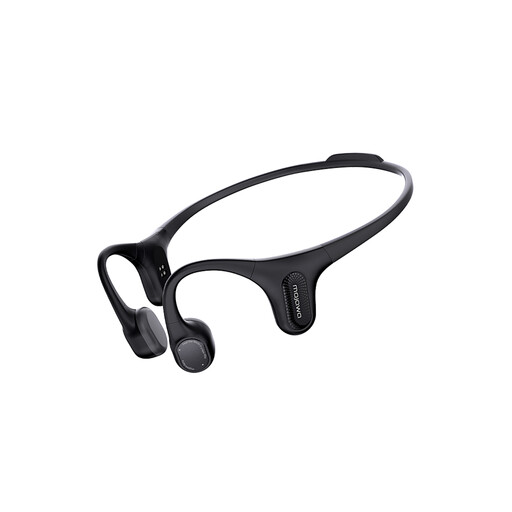
Why this model: The perfect balance for those who demand comfort, durability, and safety on their runs or bike rides. Its design is engineered for extended wear without any discomfort.
Its IP67 rating protects it from sweat and rain. The ergonomic and lightweight frame ensures a rock-solid fit, avoiding the pitfall of discomfort or slipping headphones.
Its excellent balance of light weight, secure fit, and audio quality makes it a reliable training partner for daily sessions, whether on the road or in the gym.
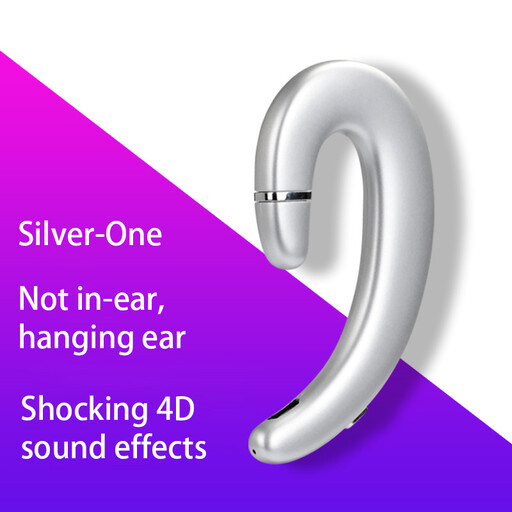
Why this model: Perfect for mobile professionals, delivery drivers, or anyone who needs to take calls while remaining fully aware of their surroundings.
This model doesn't pretend to be something it's not: it's not for extreme sports. It serves a specific need: hands-free communication while keeping one ear completely open, avoiding the trap of an overkill product for office or city use.
Its single-ear design is its strength. It ensures total awareness, which is essential in a busy work environment or behind the wheel (where legally permitted).
We've put together a complete selection of products that meet our standards for quality and safety.
True bone conduction uses transducers that vibrate the temporal bone to deliver sound directly to the inner ear. Ear clip headphones (sometimes called open-ear) work differently: they sit outside the ear canal and project sound towards it without blocking it. Both approaches allow you to stay aware of your surroundings, but the listening experience feels quite different.
The technology has made huge strides, but differences remain. Bone conduction headphones tend to offer less punchy bass than in-ear models, which provide passive isolation by sealing the ear canal. However, for on-the-go listening where safety is the priority, the audio quality of today's top models is more than sufficient for enjoying music, podcasts, or calls.
Most mid-range and high-end models offer between 7 and 10 hours of battery life, which is more than enough to complete a marathon (even at a relaxed pace) or a long bike ride. The only thing to remember is to fully charge the device before you head out.