
Livraison le jour même ou le lendemain

Qualité garantie

Débloquez vos offres de bienvenue: Livraison GRATUITE | Jusqu'à -80 % | 30 jours d'essai gratuits à JoyPlus
Téléchargez l'application
Bone conduction and open-ear headphones are skyrocketing in popularity. And for good reason: they let you listen to your music or podcasts without cutting yourself off from the outside world. This is a significant safety advantage for athletes, cyclists, and anyone moving through the city. The problem? The market is flooded with confusing, and even misleading, marketing claims. To avoid buyer's remorse, it's crucial to know how to decode the jargon and steer clear of the most common traps.
As the Head of Product Curation at Joybuy, I'm here to help you see things more clearly. Here are the key things to watch out for and the essential criteria for finding the model that's truly right for you.
Marketing can be relentless. Too many users end up disappointed by a product that doesn't live up to its promises. Here are the three mistakes you shouldn't make.
To make the right choice, rely on objective technical specifications, not marketing slogans. Here are the three decisive criteria.
The Ingress Protection (IP) rating is an international standard that classifies a device's resistance to dust (first digit) and water (second digit).
Understanding the difference is crucial to avoid being disappointed by the sound quality or audio leakage.
The advertised battery life is almost always measured at a moderate volume. For intensive use, plan for a good margin. Also, consider the quality-of-life features that make a difference day-to-day: multipoint connection (to juggle between your smartphone and computer) or intuitive, easy-to-reach touch controls. For a bone conduction cycling headset, an impeccable fit and accessible controls are paramount.
Rather than searching for the one perfect model that does everything, it's better to choose one that is tailored to your primary use.
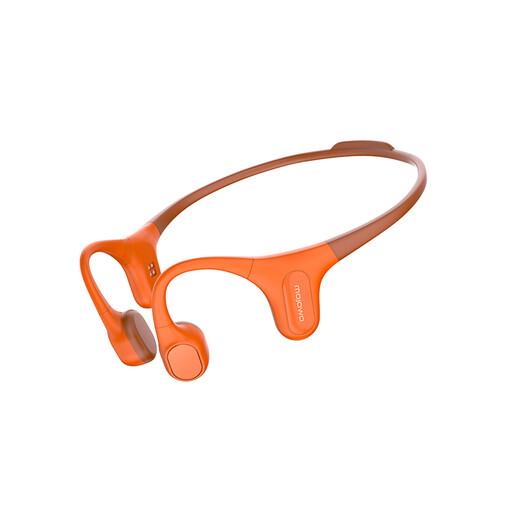
Why they're for you: Designed for athletes who make no compromises, they are as comfortable in the pool as they are on the track. It's the all-in-one solution for triathlons, swimming, or simply training without relying on your phone.
No empty promises here. Its IP68 certification is a true guarantee of submersion. It includes a 32GB MP3 player because the brand knows that Bluetooth is useless underwater.
The winning combination: flawless IP68 waterproofing coupled with generous internal storage. The ultimate tool for training with complete autonomy.
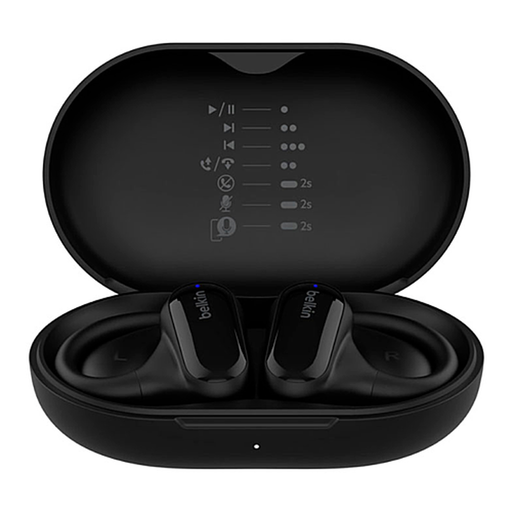
Why they're for you: Perfect for juggling running, public transport, and remote work. Their *open-ear* design ensures your safety in the city, while the multipoint connection simplifies switching between calls on your computer and music on your smartphone.
It's honest: this is not a swimming headset. Its IPX5 rating is advertised for what it is: protection against sweat and rain. Its strength lies in call clarity (thanks to ENC noise reduction) and its versatility.
The Bluetooth 5.3 multipoint connection to stay connected to two devices at the same time. A real *game changer* for hybrid work/leisure use.
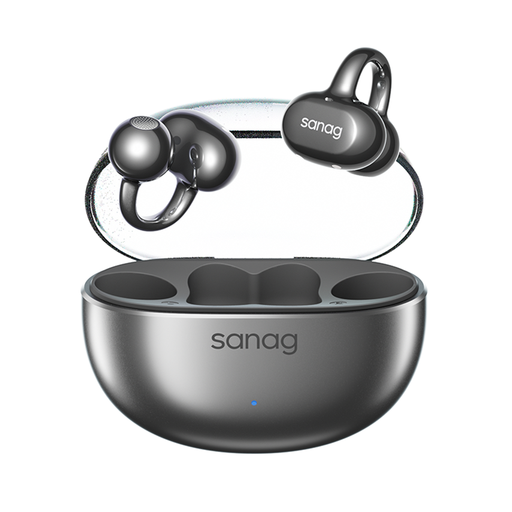
Why they're for you: Ideal for getting started with open-ear headphones without breaking the bank. Their clip-on format is comfortable for long listening sessions at the office, on a walk, or for binging podcasts, all while staying connected to the world around you.
The brand refers to a "bone conduction concept," a transparent way of saying that this is indeed an air conduction earphone. No false promises about the technology or heavy-duty waterproofing.
Its "ear clip" format is an excellent compromise between stability, comfort, and lightness for daily use, all at a very attractive price point.
We have put together a complete selection of products that meet our selection criteria and safety standards.
The sound is often surprising, but you have to be realistic. Bone conduction struggles to reproduce low frequencies with the depth of in-ear headphones. The sound is very clear and detailed for voices (podcasts, calls) and most musical styles. It's a trade-off: you sacrifice a bit of audio immersion for unparalleled safety and comfort.
Yes, absolutely. Most models are designed for it. The band goes behind your neck and the transducers sit in front of your ears, which leaves the area free for the arms of your glasses. For a bone conduction cycling headset, it's best to try it on with your own gear to check for any friction points. Clip-on models are also an excellent alternative, as they don't interfere with glasses at all.
Models with a built-in MP3 player, like the Mojawa Run Plus, connect to a computer via a USB cable (often the same one used for charging). The device then appears just like a USB drive. All you have to do is drag and drop your music files (MP3, FLAC, etc.) into the dedicated folder. Before you dive in, a very simple action (often a double-click on a button) lets you switch from Bluetooth mode to MP3 mode to swim with music, completely uninterrupted.