
Livraison le jour même ou le lendemain

Qualité garantie

Débloquez vos offres de bienvenue: Livraison GRATUITE | Jusqu'à -80 % | 30 jours d'essai gratuits à JoyPlus
Téléchargez l'application
As the Head of Buying Guides at Joybuy, I break down the latest tech trends for you. Today, we're tackling a category of headphones that's winning over more and more athletes: bone conduction headphones.
Want to listen to your favourite playlist without cutting yourself off from the outside world? It's the classic dilemma for every runner, cyclist, or outdoor sports enthusiast. A car horn, a sudden cyclist, a distracted pedestrian… staying aware of your surroundings is a matter of safety. This is precisely where open-ear technologies, like bone conduction, truly shine.
This guide gets straight to the point: explaining how it works, giving you the keys to making the right choice, and presenting our selection of the best models for every activity.
Before you commit to a model, it's essential to understand the few features that will make all the difference during your workout. Here are the points to check to ensure you make the right choice.
The Ingress Protection (IP) rating is an international standard that assesses a device's resistance to solid objects (the first digit) and liquids (the second). For Bluetooth sports headphones, it's the second digit that really matters to us.
Running out of battery in the middle of a long session? The ultimate nightmare. Always check the manufacturer's stated battery life, expressed in hours of listening time. A runtime of 7 to 8 hours is a solid baseline these days. Some models, which come with a charging case, extend this battery life much further.
As for the Bluetooth version (e.g., Bluetooth 5.2 or 5.4), it directly impacts connection stability, range, and power consumption. Opt for a recent version—it's a guarantee of a hassle-free experience.
Bluetooth and water don't mix well: the signal simply can't get through. If the pool is your playground, bone conduction headphones with a built-in MP3 player aren't an option—it's the only solution. These models feature internal storage (e.g., 32 GB) to load your music onto. This allows you to swim lap after lap to your music, completely untethered from your smartphone.
Let's get practical with a few models that caught our eye, whether you're a casual runner, a dedicated cyclist, or a fish in the water.
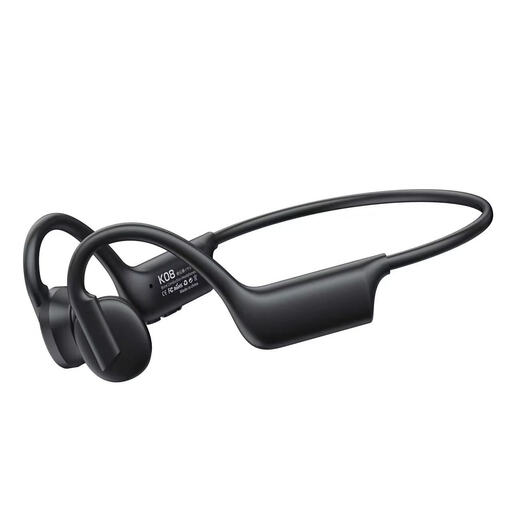
Why we love it: The Verbex K08 is an excellent entry point into the world of bone conduction. It gets straight to the essentials: a lightweight, comfortable design that leaves your ears open for constant awareness. These are open-ear audio headphones designed for performance and safety.
Key Features:
Best for?: The smart choice for runners, cyclists, and fitness fans looking for reliable, no-frills running headphones or bike safety headphones.
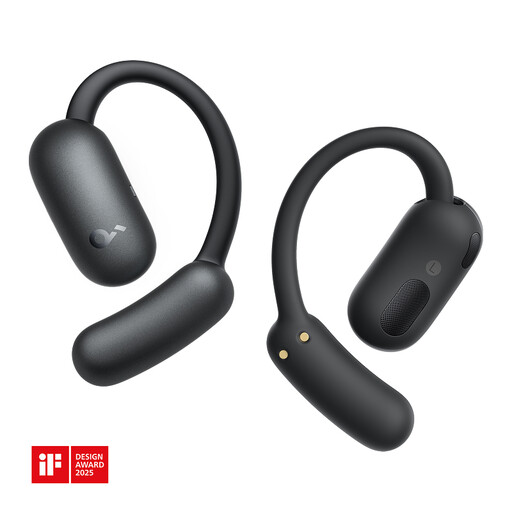
Why we love it: Note that here we're talking about open-ear headphones, not pure bone conduction, but the safety goal is the same. The standout feature of the AeroFit 2? Their adjustable ear hooks, designed for a custom-like fit. According to the soundcore lab, this design brings the sound closer to the ear canal to enhance the bass presence.
Key Features:
Best for?: For athletes seeking absolute long-wear comfort and marathon battery life, without ever being cut off from their surroundings.
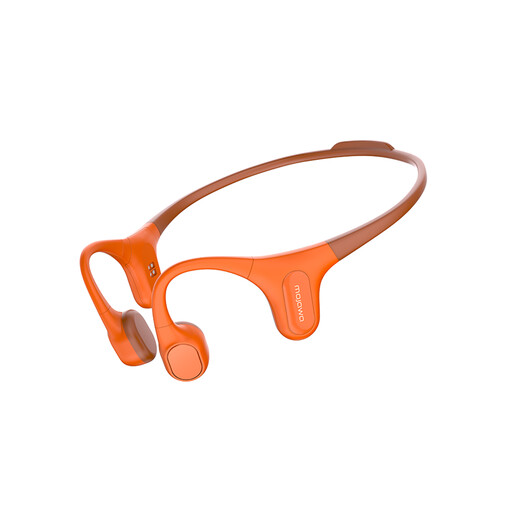
Why we love it: The Mojawa Run Plus is the specialist for water sports. Its IP68 certification allows for submersion up to 2 meters deep, while its integrated 32 GB MP3 player bypasses the Bluetooth-underwater problem.
Key Features:
Best for?: The must-have for swimmers and triathletes who want to add a soundtrack to their laps. The gold standard for MP3 swimming headphones.
Choosing headphones is a personal matter that depends on your needs. If your search goes beyond sports—for instance, to find the perfect companion for naps or a full night's sleep—other solutions are available.
Feel free to check out our selection of headphones designed for comfort, like the best earbuds for side sleepers.
No, the experience is different. Bone conduction transmits sound via vibrations on the jawbones, bypassing the eardrum. As a result, the bass is often perceived as less deep than with in-ear headphones that seal the ear canal. That said, recent models have made huge strides and offer clear, decent sound for both music and podcasts. It's the trade-off you make for maximum safety.
Yes, and that's their main selling point. By leaving your ear canals completely open, they allow you to remain fully aware of your environment: traffic, horns, other athletes, and more. This constant "situational awareness" drastically reduces the risk of accidents. It's what makes them a top-tier piece of bike safety gear.
Absolutely not! Almost all sports headphones, even those certified as sweat-resistant (IPX4/IPX5), would not survive being submerged. Furthermore, as we've discussed, the Bluetooth signal doesn't travel through water. For swimming, choosing an IP68 model with an integrated MP3 player is mandatory. The Mojawa Run Plus is a perfect example of this.