
Livraison le jour même ou le lendemain

Qualité garantie

Débloquez vos offres de bienvenue: Livraison GRATUITE | Jusqu'à -80 % | 30 jours d'essai gratuits à JoyPlus
Téléchargez l'application
Running along a road, cycling through town or swimming to the beat of your playlist involves a tricky compromise: enjoying great sound without losing touch with your surroundings. Bone-conduction Bluetooth headphones and open-ear models meet this need, but their features can vary considerably from one model to another.
Before you buy, three mistakes are particularly common: confusing splash resistance with genuine waterproofing for swimming, mistaking call noise reduction for ambient noise reduction, or choosing a model that cannot stay securely in place during repeated movements. Here are the criteria to consider when comparing the models available in France.
An IPX5 device is generally resistant to water splashes and sweat, but it is not designed to be submerged. The Belkin SoundForm ClearFit, for example, is described as sweat- and splash-resistant thanks to its IPX5 rating. However, it must not be immersed in water or exposed to a powerful jet.
If you are looking for headphones for swimming, check for a rating suitable for immersion, such as IPX8 or IP68, as well as a standalone playback mode. Bluetooth does not transmit the signal properly underwater, so internal memory is essential in most cases.
Some models advertise noise reduction, but this feature may only apply to the microphones used during calls. The Belkin SoundForm ClearFit’s ENC technology is designed to improve voice clarity by reducing certain background noises during conversations. It does not turn these earbuds into closed-back headphones with genuine active noise cancellation for music.
Open-ear headphones deliberately let external sounds through. This is an advantage for cyclists, runners and anyone who needs to stay alert to announcements or traffic. The trade-off is less isolation on public transport or in particularly noisy environments.
Bone-conduction headphones sit around the head and rest on the area near the temples. A clip-on open-ear model attaches around the ear without entering the ear canal. In both cases, stability depends on your anatomy, whether you wear glasses, your cycling helmet and the intensity of your movements.
For extended use, look at the flexibility of the headband, how securely it sits behind your head and the pressure around your ears. A low weight stated in the technical specifications does not, on its own, guarantee optimum comfort for everyone.
Bone conduction transmits vibrations to the inner ear without blocking the ear canal. Open-ear earbuds, meanwhile, project sound close to the ear. Both formats allow you to remain more aware of external sounds than with in-ear earbuds. However, be aware that a volume set too high can still drown out a siren or an instruction.
For running and cycling, choose a model that stays securely in place and has easily accessible controls. For working from home, multipoint connectivity can be useful: the Belkin SoundForm ClearFit can remain connected to two devices, such as a computer and a smartphone.
Compare the battery life of the earbuds on their own with the total battery life available using the charging case. Belkin claims up to 8 hours of battery life with the earbuds and 26 hours with the case, as well as 10 minutes of fast charging for around 60 minutes of listening.
Models designed for swimming sometimes use magnetic charging. After a session, dry the contacts carefully before connecting the cable. This helps reduce the risks associated with moisture and corrosion.
Here is a simple guide:
Certification does not remove the need to rinse and dry the headphones after a swimming-pool session or exposure to salt water. Also check whether the charging case has the same protection as the earbuds.
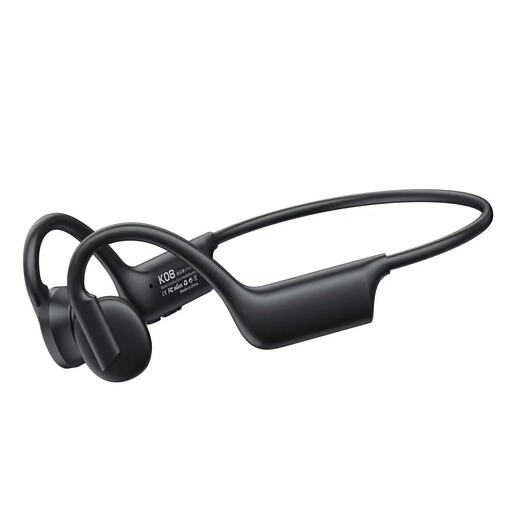
Why this choice suits this profile : Its open design and stated weight of around 25 g make it an appealing option for anyone discovering headphones designed for running, walking or gym workouts.
The product listing clearly distinguishes sports use and sweat resistance from deep immersion. This model should therefore not be chosen for swimming.
Bluetooth, microphone for calls, stated battery life of 7 to 10 hours and an open design.
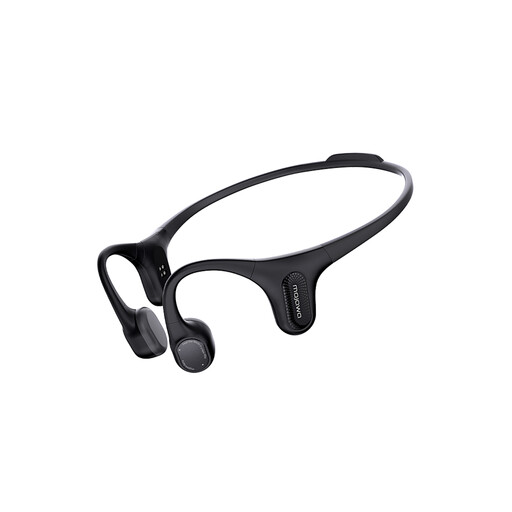
Why this choice suits this profile : Its open-ear sports design is aimed at regular users looking for a secure fit when running or cycling, without earbuds entering the ear canal.
The product listing specifies that the IP67 rating does not make this model suitable for swimming. This is a useful distinction to avoid confusing temporary immersion with prolonged pool use.
IP67 certification, built-in microphone, open design and a clear warning about drying the magnetic port.
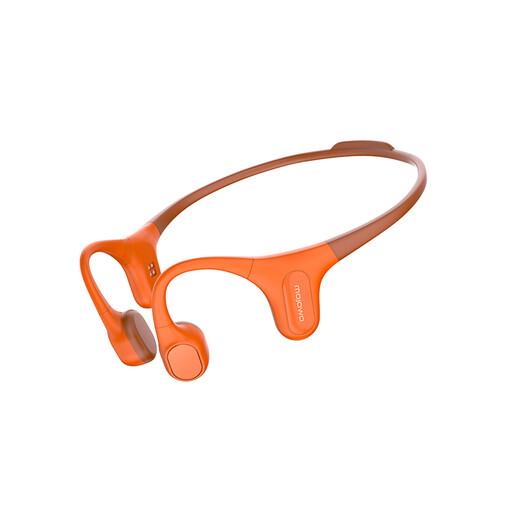
Why this choice suits this profile : Swimmers and athletes who train without a smartphone can rely on the built-in memory to listen to their audio files independently.
The product listing reminds you that Bluetooth does not work underwater and provides an MP3 mode. Files must therefore be transferred before your session.
32 GB of memory, IP68 certification, stated battery life of up to 8 hours and 5 minutes of fast charging for around 80 minutes of playback.
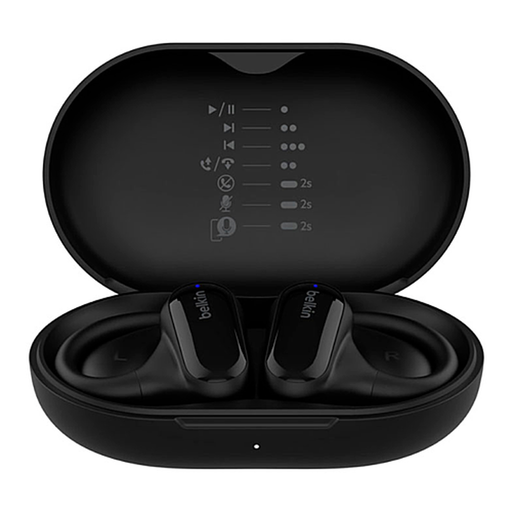
Why this choice suits this profile : This design is ideal for people who switch between calls, computer and smartphone use while keeping their ears uncovered.
The product listing distinguishes ENC, designed for calls, from music isolation and clearly states the IPX5 limitation : no immersion.
Bluetooth 5.3, multipoint connectivity, 26 hours of battery life with the case, 14.2 mm speakers and a two-year manufacturer’s warranty.
We have selected a complete, real-time updated list of products that meet these demanding selection criteria as well as European safety standards.
They can be perfectly suitable for running thanks to their open design and the absence of earbuds in the ear canal. Nevertheless, choose a stable headband, keep the volume moderate and check that the sweat protection matches your activity.
Most Bluetooth headphones cannot transmit sound properly underwater. For swimming, look for a model with a clearly stated immersion rating and built-in MP3 memory. According to its technical specifications, the Mojawa Run Plus offers 32 GB of storage and a playback mode designed specifically for swimming.
It depends on how often they are used, the number of charging cycles, exposure to water and storage conditions. Drying the contacts before charging, avoiding extreme temperatures and observing volume limits all help preserve the device. Also remember to check the warranty and service conditions before buying.