Fans of bold flavours
You’re looking for a pronounced flavour at teatime, rather than simply a ‘wellbeing’ promise. Hibiscus and fruit, or mint and spices, offer different flavour profiles to compare.


For a bold-flavoured infusion to enjoy with afternoon tea, start by choosing the flavour profile you’re after: fruity and tart with hibiscus, or aromatic with mint and spices. Then decide whether you want caffeine: a blend containing tea or maté won’t meet the same needs as a recipe explicitly labelled caffeine-free. Check the ingredients too, especially for liquorice if you drink this regularly. A ‘wellbeing’ label is no proof of a health benefit.
You’re looking for a pronounced flavour at teatime, rather than simply a ‘wellbeing’ promise. Hibiscus and fruit, or mint and spices, offer different flavour profiles to compare.
You want to choose how bold the flavour is without confusing it with the effect of a recipe containing tea, maté or matcha. A ‘caffeine-free’ claim should apply to the exact recipe you’re buying.
You plan to drink this infusion regularly and want to look out for ingredients such as liquorice. Terms like ‘digestion’ or ‘wellbeing’ are no substitute for checking the ingredient list and any product-specific precautions.
For afternoon tea, choose your preferred flavour and decide whether you want caffeine first. Then check the ingredients and preparation instructions for the recipe you’ve picked.
| Criteria | What to check | Who it matters to |
|---|---|---|
| Bold flavour | Flavour profile — hibiscus and fruit, or mint and spices — and the brewing instructions for the recipe. | I want to taste the flavours clearly from the first sip, rather than choosing based on the word ‘strong’ alone. Around 40% of consumers rank bold flavour as their top priority. |
| Caffeine | Whether it contains tea, maté, matcha or guarana; look for an explicit ‘caffeine-free’ claim if this is essential. | For my afternoon break, I need to decide whether I also want caffeine, regardless of how bold the flavour is. This comes first for around 30% of consumers. |
| Ingredients | Ingredient list, whether it contains liquorice and any precautions on the packaging. | If I drink the same recipe often, its ingredients matter more to me than a name that suggests wellbeing. Ingredients are the top priority for around 20% of consumers. |
| Preparation | Whether it’s designed for hot or cold brewing, plus the recommended water volume and brewing time. | I want a drink I can make during my break, in a format that suits me. Around 10% of consumers prioritise ease of preparation. |
A range name such as ‘detox’ or ‘digestion’ doesn’t prove that an infusion can treat a health problem. The DGCCRF reminds consumers that health claims on food are regulated, and only authorised claims may be used.
Choose based on the ingredients, flavour and preparation first. Don’t use an infusion as a substitute for appropriate care.
A fruity or spicy recipe can have a bold flavour, but that doesn’t tell you how much caffeine it contains. Conversely, tea, maté or matcha may be included in blends that taste mild.
Check the ingredients and, if you need to avoid caffeine, look for an explicit ‘caffeine-free’ claim on the exact recipe.
According to Anses, consuming large amounts of food or drinks containing liquorice repeatedly can lead to low blood potassium and high blood pressure.
Check the label for liquorice. If you need to take precautions because of your health, ask a healthcare professional for advice before drinking it regularly.
A product you’ve spotted on a retailer’s website may no longer be available when you’re ready to buy it.
Check the product, pack size and availability shown for your store or order at the time of purchase.
Two recipes offer distinct options: AquaRosa, with hibiscus and red berries, and Kashmir Tchaï, a spiced black tea.
The range lets you choose between a hot mint and cinnamon infusion and a mango and rooibos recipe designed for cold water.
The retailer’s herbal infusion and hot drink products let you explore a range of different ingredients.
The retailer’s product listings can help you check the ingredients and preparation instructions for an infusion sold under another brand.
These options cover a range of teatime preferences: spices in a hot drink, hibiscus brewed cold, citrus rooibos and chai. Choose according to the flavour, caffeine content and preparation you’re after, rather than assuming they’ll all make a hot drink with the same intensity.
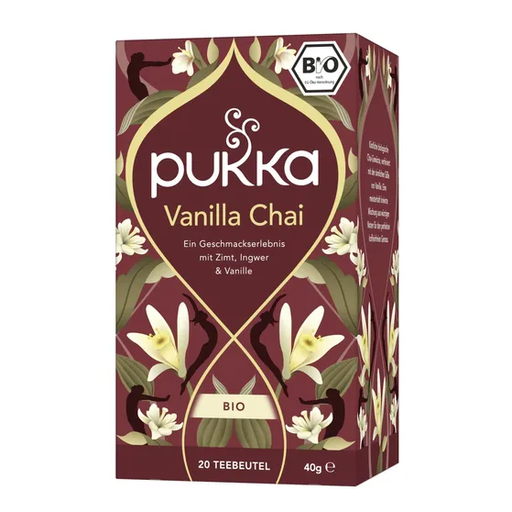 Image unavailable
Worth considering for a hot, spiced drink if you’re looking for a recipe labelled caffeine-free.
The recipe contains liquorice. Bear this in mind if you drink it often, and check the brewing instructions on the packaging.
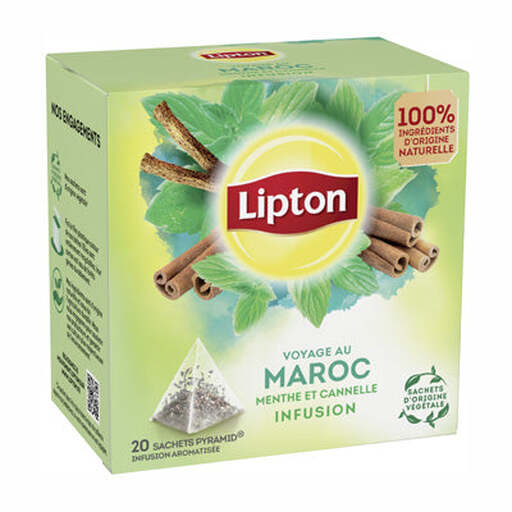 Image unavailable
For a hot drink with mint and spice flavours. Lipton recommends brewing one teabag in 200 ml of water at 100 °C for 4 to 5 minutes.
The recipe contains liquorice. If it’s essential that your drink is caffeine-free, check the packaging for this product.
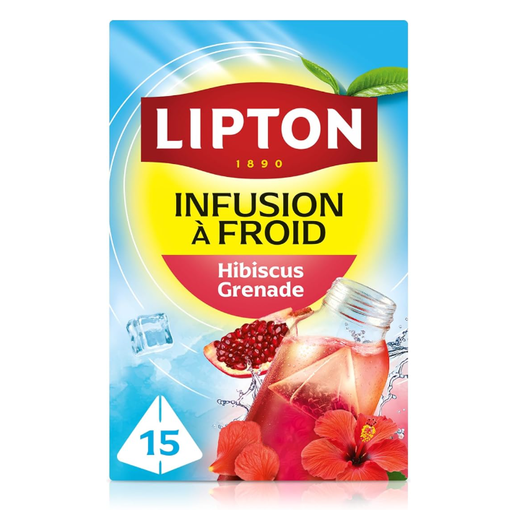 Image unavailable
For a fruity, cold-brewed drink at teatime, rather than a hot, spiced cup.
Follow the water volume and brewing time recommended for this recipe. As it’s designed for cold brewing, you can’t assume it will have the same intensity as a hot infusion.
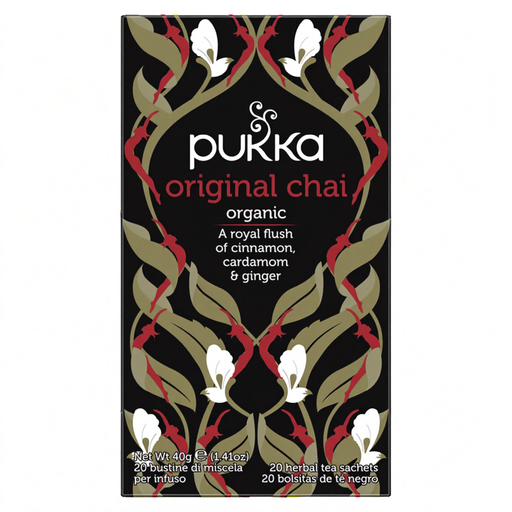 Image unavailable
Consider this if you fancy chai at teatime and don’t need to avoid caffeine: the recipe contains black tea.
It also contains liquorice. Check the packaging for preparation instructions and useful information if you’re sensitive to caffeine.
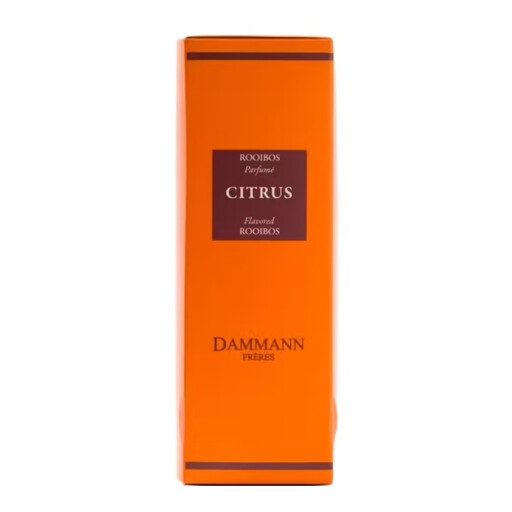 Image unavailable
For a rooibos drink with citrus notes, if that appeals more than a spiced blend.
Check the ingredients, brewing time and water volume on the packaging, particularly if you need to avoid certain ingredients.
Check the ingredients for the exact recipe and look for an explicit ‘caffeine-free’ claim if this is important to you. Pay particular attention to black tea, green tea, maté and matcha. Anses recommends limiting caffeine, particularly for pregnant or breastfeeding women, children and teenagers, and people who are sensitive to its effects.
Start by following the recommended brewing time, temperature and water volume for your product, rather than using the same timings for every recipe. For one teabag, Lipton’s Mint Cinnamon listing recommends brewing for 4 to 5 minutes in 200 ml of water at 100 °C. Brewing for longer can also change the balance of flavours.
Check for it in the ingredients before making the drink part of your regular routine. Anses links high, repeated consumption of products containing liquorice with a risk of low blood potassium and high blood pressure. If you need to take precautions because of your health, ask a healthcare professional for advice.
No. The term ‘wellbeing’ is no proof of a therapeutic effect. The DGCCRF reminds consumers that nutrition and health claims on food are regulated in France and the European Union. Choose an infusion for its ingredients and as a food or drink, and don’t use it instead of medical advice or treatment.