For anyone looking for a punchy cup
You prefer the kick of ginger, spices or pronounced citrus notes. The recipe and brewing time matter more to you than a claim on the box.


To choose a herbal tea with a bold flavour, start with the recipe rather than the word ‘strong’: check the ingredients, their proportions where listed and the recommended brewing time. For your weekly shop, also count how many tea bags you’ll need. If you plan to drink it regularly, check whether it contains liquorice and read the precautions on the pack.
You prefer the kick of ginger, spices or pronounced citrus notes. The recipe and brewing time matter more to you than a claim on the box.
You’re doing your weekly shop and want to choose a pack size that suits your routine, without confusing the size of the box with the strength of the tea.
If you’ll be drinking it regularly or having a cup in the evening, you want to check the ingredients and precautions, and look for a caffeine-free claim on the specific recipe if you’re avoiding caffeine.
For your weekly shop, first choose the flavour profile you’re after, then check that the pack size and ingredients suit how often you’ll drink it. The ingredients list can help you understand the recipe: according to the DGCCRF, ingredients in prepacked foods are listed in descending order by weight.
| What to consider | What to check | Who is it for? |
|---|---|---|
| Flavour profile | Look for the herbs and spices you like, their proportions if listed, and the recommended brewing time. An ingredient percentage alone doesn’t tell you how strong the flavour will be. | If I’m mainly after a spicy or warming cup, I choose a recipe with ingredients that match that flavour. Around 42% of consumers are said to prioritise flavour. |
| Pack size for the week | Count the tea bags you’ll need for the cups you plan to have, and compare the net weight of the boxes. E.Leclerc, for example, sells Tisèa herbal teas in boxes of 20 or 25 tea bags. | When I’m shopping for several days, I don’t want to run out of tea bags before my next shop. Around 33% of consumers are said to prioritise pack size. |
| Ingredients and precautions | Read the full ingredients list, checking in particular for liquorice, and look out for any warnings. If you’re avoiding caffeine, check the claim on the specific recipe you’ve chosen. | If I plan to drink it often or in the evening, I want to know what’s in every cup before I choose. For around 25% of consumers, ingredients are said to be their main concern. |
These words don’t let you compare two recipes directly: the main ingredients and brewing instructions may differ.
Check the ingredients and any proportions shown, then try one box before buying several of the same recipe.
It can be included in a ginger and lemon infusion without appearing in the product name. Anses warns that excessive consumption can cause adverse effects, including high blood pressure.
Check the ingredients and warnings for each recipe, especially if you plan to drink it regularly. If you have a health condition or are taking medication and have any concerns, ask a healthcare professional for advice.
Two boxes may contain different numbers of tea bags and have different net weights. Neither of these details is enough to predict how strong your cup will taste.
Estimate how many cups you’ll have during the week, then check the number of tea bags and the net weight, as well as the recipe.
According to the DGCCRF, a food may lose some of its flavour after its best-before date, even if the packaging is intact.
Choose an amount that matches how much you’ll drink, follow the storage instructions and check that the packaging is in good condition.
Twinings’ Ayurveda range includes aromatic herbal teas, including ginger, honey and lemon blends, as well as spiced recipes.
The organic lemon and ginger recipe featured by Auchan includes lemongrass, ginger, liquorice, lemon and orange.
E.Leclerc’s range of herbal teas includes verbena, camomile, mint and liquorice, and apple and cinnamon recipes.
The range includes herbal infusions such as a verbena and peppermint blend, as well as recipes containing maté.
These options include two ginger recipes in boxes of 20 tea bags and a Cold Brew option in a box of 15. To choose the right one for your cups during the week, compare the flavour profile described for each recipe, the number of tea bags and the instructions on the packaging.
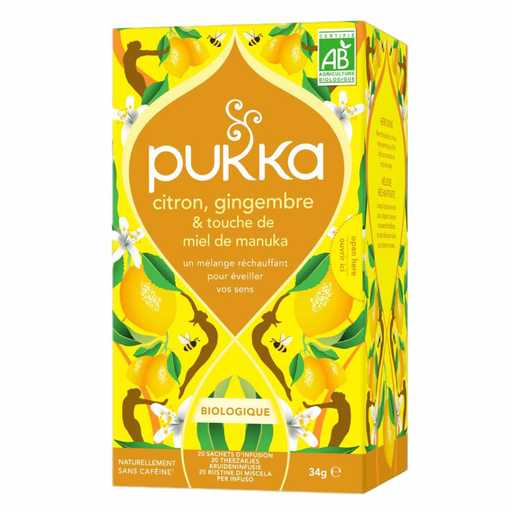 Image unavailable
Worth considering if you’re looking for a ginger and lemon blend for several cups.
The box contains 20 tea bags. Before drinking it regularly, check the full ingredients list and any precautions on the packaging, particularly those relating to liquorice.
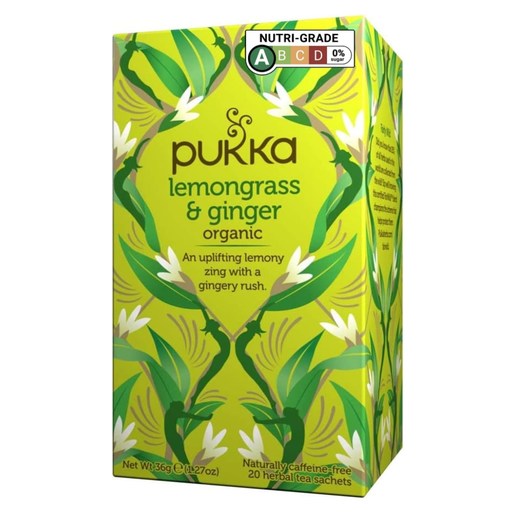 Image unavailable
Worth considering if you prefer a lemongrass and ginger blend and want to plan how many cups you’ll have during the week.
The box contains 20 tea bags. Check the packaging for the brewing time, full ingredients list and any precautions relating to liquorice.
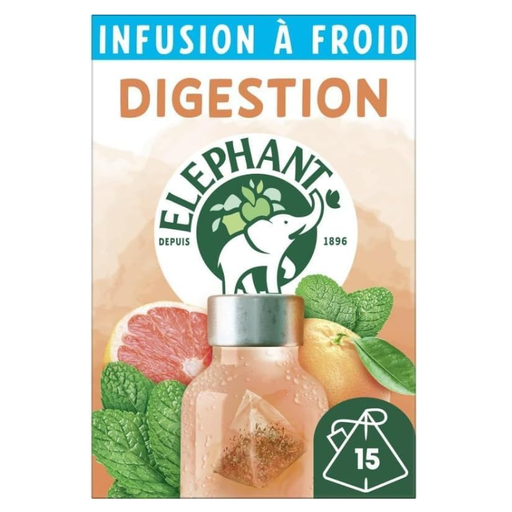 Image unavailable
Worth considering if you’re looking for a cold-brew infusion rather than a hot ginger tea.
The box contains 15 tea bags, so compare this with how much you expect to drink. Follow the preparation instructions on the packaging.
No. This claim alone isn’t enough to compare the flavour of two recipes. Instead, check the ingredients and their proportions where listed, then look at the brewing instructions. For prepacked foods, the DGCCRF says ingredients are listed in descending order by weight.
Start by following the recommended brewing time for your recipe, then adjust it within that range. For example, E.Leclerc recommends 3 to 5 minutes for its ginger and lemon infusion, depending on your preferred strength. Auchan’s product information for the Clipper lemon and ginger recipe recommends 2 to 4 minutes in water at 100 °C. Brewing instructions aren’t interchangeable between products.
No. A bold flavour doesn’t tell you whether a tea contains caffeine. The Clipper lemon and ginger recipe featured by Auchan is labelled ‘naturally caffeine-free’, but check each box separately, especially if the recipe contains tea or maté.
Check the ingredients and warnings for the recipe, particularly if you’re thinking of drinking it regularly. Anses warns that excessive liquorice consumption can cause high blood pressure, among other effects. If you have a health condition, are taking medication or are unsure, ask a healthcare professional for advice.
Count how many cups you plan to make, then compare that total with the number of tea bags in each box. Check the net weight and the recipe too: a box of 20 or 25 tea bags doesn’t, by itself, tell you how the tea will taste or whether the ingredients suit your needs.