
Livraison le jour même ou le lendemain

Qualité garantie

Débloquez vos offres de bienvenue: Livraison GRATUITE | Jusqu'à -80 % | 30 jours d'essai gratuits à JoyPlus
Téléchargez l'application
A body scrub helps to remove dead skin cells, smooth rough areas and leave your skin feeling softer to the touch. But not all exfoliants suit every skin type or every shower routine. A texture that’s too abrasive, a fragrance chosen without checking the ingredients, or a poorly maintained tool – a product that seemed promising can quickly turn out to be disappointing.
Here are the criteria to consider before choosing a body scrub, a body exfoliant or an exfoliating back brush.
Obvious grains or a strong scrubbing sensation don’t necessarily mean the product is right for your skin. Excessive pressure can cause redness and lasting discomfort, especially on dry or sensitive areas. For a body exfoliation that’s easier to control, go for a texture that emulsifies, or particles whose size and nature are clearly stated.
Sugar, rice powder, crushed kernels or silica all feel different on the skin. Your movements should remain gentle, without lingering on any irritated area.
A marketing promise is no substitute for reading the label. For an organic body scrub, check for a recognisable certification, such as Cosmos Organic, along with the percentage of naturally derived or organically farmed ingredients when stated.
The term hydrating body scrub generally refers to a formula containing oils, glycerine or plant butters. It doesn’t mean the product can replace a body lotion or cream after your shower.
A pot left in a damp shower can lose its practicality and spoil more quickly if the lid isn’t properly closed. A wooden brush stored while still wet is also likely to deteriorate faster. The format, method of application and drying instructions matter just as much as the fragrance or the product range name.
For dry or rough skin, a treatment containing emollient agents can feel more comfortable. Sugar, plant powders and certain mineral agents are among the common options. Formulas containing acids, such as lactic acid or salicylic acid, require you to follow the instructions and to be especially careful if you have sensitive skin.
An exfoliating body treatment is typically used once or twice a week. If your skin reacts, space out your applications or stop using the product.
Look at the ingredients listed at the beginning of the list, any fragrance allergens and the usage precautions. If you’re looking for a vegan, organic or naturally derived formula, make sure this feature is clearly stated in the product information, rather than relying solely on the packaging.
A 150 to 200 ml tube is easy to store and lets you control the amount you use. A brush with a handle can reach your back without contortion, but its bristles or nubs should be used without excessive pressure. For a routine targeting your thighs or hips, be wary of anti-cellulite scrub promises: a tool or cosmetic product can exfoliate the skin’s surface, but it certainly doesn’t guarantee a change in your silhouette.
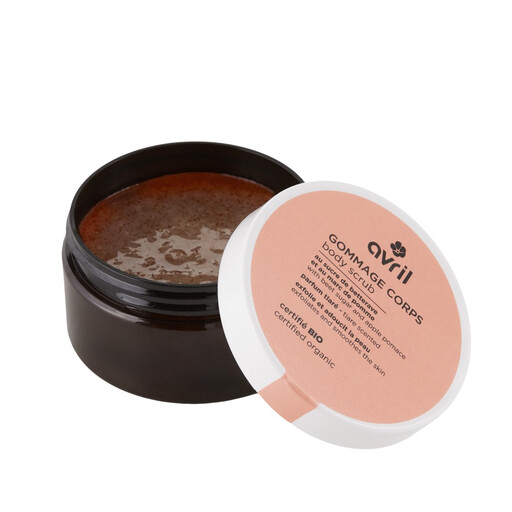
Why this choice suits this profile: Its 200 ml format and application on dry or slightly damp skin make it a simple option for getting started.
The formula claims Cosmos Organic certification by Ecocert Greenlife, 100% naturally derived ingredients and 86% from organic farming.
Organic sugar and sunflower oil, vegan formula, made in France and a fragrance with tiare notes.
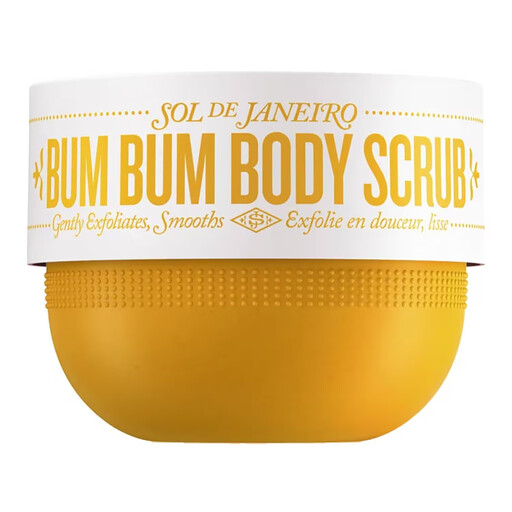
Why this choice suits this profile: This format combines a fine exfoliating texture with a very noticeable fragrance, perfect for routines focused on sensory pleasure.
The ingredient list notably includes sugar, cupuaçu seed powder and glycerine. The nature of the exfoliation and the formula is therefore clearly identifiable.
220 g, exfoliating particles described as fine, plant oils and guarana extract.
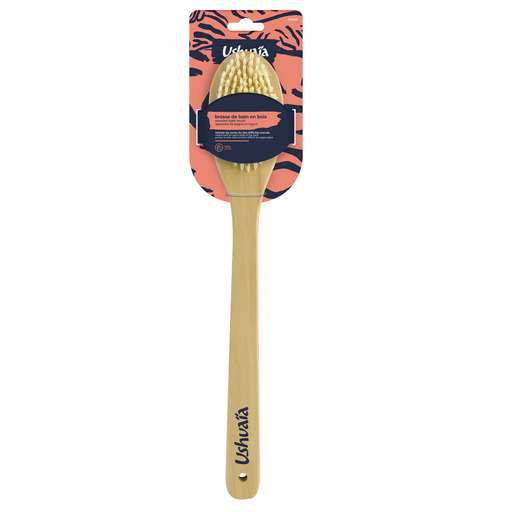
Why this choice suits this profile: This brush is designed for people who want to target their back and easily incorporate this tool into their shower or bath routine.
The instructions recommend brushing gently in circular motions, then rinsing the brush and leaving it to air dry after each use.
Natural wood brush designed for the back, usable on dry or damp skin.
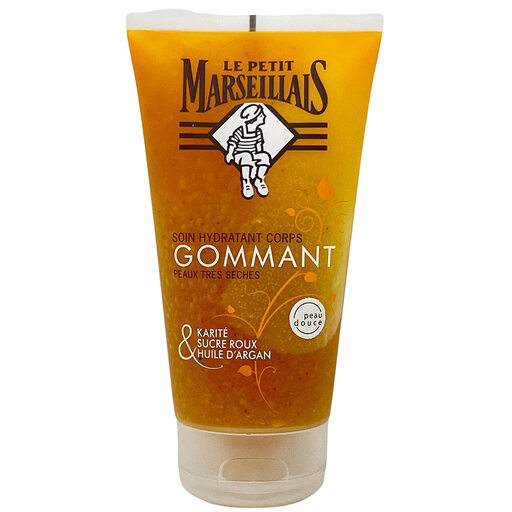
Why this choice suits this profile: Its 150 ml tube and its indications for very dry or rough skin make it easy to fit into a weekly routine.
The recommended frequency is limited to one or two uses per week, which avoids confusing a scrub with a daily cleanser.
Shea butter, argan oil and sugar in the formula, with the recommendation to follow up with a moisturising lotion.
We’ve put together a comprehensive list, updated in real time, of products that meet these demanding selection criteria and European safety regulations.
With a brush, rinse the bristles or wood after each use, remove excess water and leave to dry in a well-ventilated area. If redness, itching or persistent discomfort occurs, stop using it.
Once or twice a week is a common frequency for a mechanical scrub. Products containing acids may recommend a different rhythm. Always follow the instructions and space out your applications if your skin becomes uncomfortable.
It depends entirely on the formula. The Avril product featured here can be applied to dry or slightly damp skin, while several other treatments in this selection are used on damp skin. The product’s instructions should take priority over general habits.
No. It removes dead skin cells from the surface, but it doesn’t replace a moisturising treatment. To keep your skin supple, apply a lotion or cream after rinsing, especially if your skin is dry or rough.