
Livraison le jour même ou le lendemain

Qualité garantie

Débloquez vos offres de bienvenue: Livraison GRATUITE | Jusqu'à -80 % | 30 jours d'essai gratuits à JoyPlus
Téléchargez l'application
Skin that feels tight after showering, rough legs in winter, dry hands or a greasy feeling beneath your clothes: choosing a body moisturiser is not simply a matter of comparing the claims displayed on the bottle. Texture, ingredients and application comfort matter just as much as the price or size.
A body moisturising lotion is generally fluid, spreads easily over large areas and quickly provides a comfortable feeling. A rich cream or balm often contains more emollient and occlusive ingredients, which are particularly appreciated when the skin lacks lipids or becomes very rough.
A lightweight lotion may therefore suit normal skin, but prove insufficient for very dry elbows, knees or shins. Conversely, a nourishing cream for dry skin may feel too rich if you want to get dressed immediately after applying it.
Claims such as “24 h”, “48 h” or “72 h” refer to the testing conditions and protocols defined by the brand. They do not guarantee the same experience for everyone. The climate, how often you shower, the type of cleanser you use and the amount applied all directly affect how long the comfortable feeling lasts.
So treat these claims simply as a guide, then consider the texture, application method and ingredients.
A cream for sensitive skin may contain perfume or fragrance components that are not necessarily suitable for reactive skin. For family use, check the INCI list and choose a formula whose usage precautions match your circumstances.
Facial products also require particular care. A product containing retinal, denatured alcohol or essential oils should not be used in the same way as a classic moisturiser for the face and body.
To help prolong hydration, apply the product to clean, slightly damp skin. Massage until absorbed, then reapply to any areas that still feel uncomfortable.
Glycerine, panthenol and hyaluronic acid are commonly used in moisturising formulas. Shea butter, plant oils, ceramides and certain occlusive ingredients are more closely associated with comfort for dry skin.
Read the INCI list as a whole: the presence of an ingredient highlighted on the packaging is not enough to assess the product’s overall performance. For very dry skin, a rich, well-balanced formula is preferable to a trendy active ingredient used on its own.
In Europe, a cosmetic product must include an ingredients list, the contact details of a responsible person established in the European Union, and appropriate usage precautions. Also check the volume, type of packaging and minimum durability date, where stated.
Do not apply body cream to a wound or infected area. Avoid the eye area unless otherwise indicated. In the event of persistent redness, severe itching or an unusual reaction, stop using the product and seek advice from a healthcare professional.
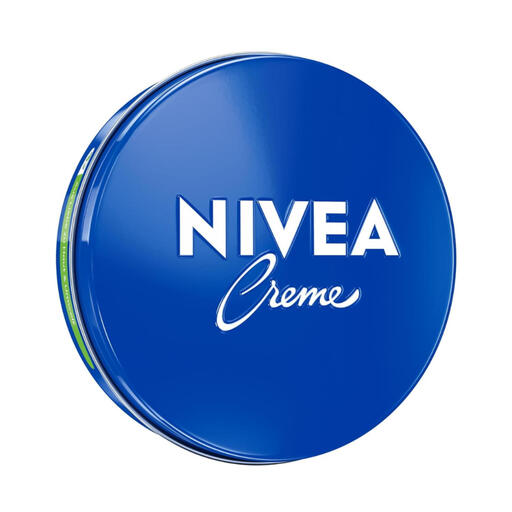
Why this choice suits this profile : A versatile cream for the hands, face and body, available in a 250 ml size that is ideal for a simple home routine.
Its multi-purpose use means you do not need to accumulate several products for different areas. However, its rich texture should be applied according to the area you are treating.
Formula based on glycerine, panthenol and Eucerit according to the product description; suitable for use on the body, face and hands.
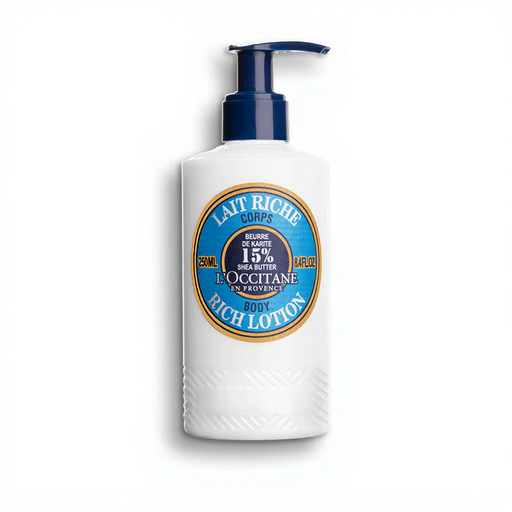
Why this choice suits this profile : A rich-textured body treatment designed for those who value a sensorial experience and nourishing ingredients.
The formula contains 15 % shea butter. This concrete detail makes it easier to compare the formula without relying solely on the marketing message.
Shea butter, sunflower oil and honey extract feature in the formula; 250 ml size.
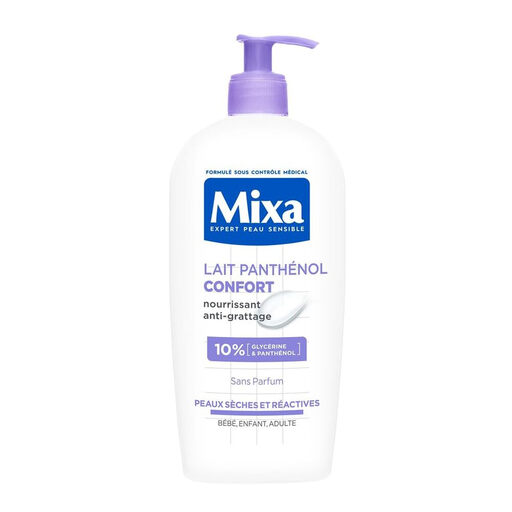
Why this choice suits this profile : Its fragrance-free formula and positioning for extremely dry, sensitive skin make it suitable for regular body applications.
The absence of declared fragrance removes one factor to watch when skin is easily irritated. Nevertheless, test it on a small area before first use.
Panthenol, shea butter and glycerine; rich texture described as non-greasy and tested under dermatological supervision.
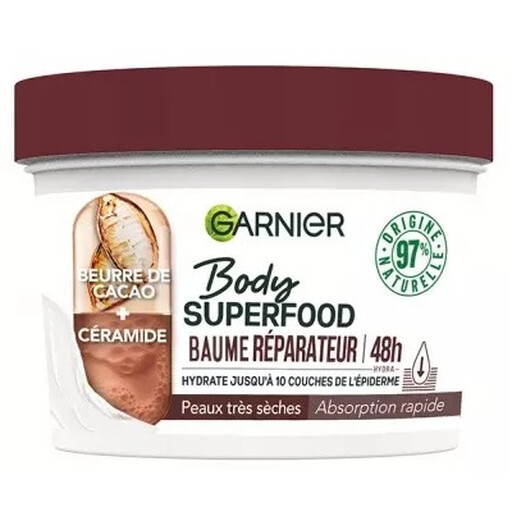
Why this choice suits this profile : The 380 ml tub is suitable for a frequent body care routine and for households looking to replace the product less often.
The size and composition are clearly stated, allowing you to compare the volume and buttery texture with how often you use the product.
Cocoa butter, shea butter and ceramide; formula stated to contain 97 % naturally derived ingredients.
Apply your daily moisturiser after showering, when your skin is clean and still slightly damp. Use enough product without applying unnecessary layers. For your hands, reapply after frequent washing. In winter, pay particular attention to your shins, elbows and areas exposed to the cold.
Keep the product closed and away from heat and direct sunlight. Check its appearance, smell and texture: any unusual change should prompt you to stop using it.
A lotion is generally more fluid and spreads quickly over large areas. A cream is often richer and better suited to dry areas or anyone looking for a more enveloping feel. The choice mainly depends on the texture you prefer and how dry your skin is.
Only if the packaging clearly states that it is suitable for the face and body. Facial skin may react differently to fragrances, oils or rich textures. For anti-ageing or anti-blemish care, or products containing retinal, follow the manufacturer’s precautions carefully and introduce the product gradually.
Refer to the minimum durability date or the open-jar symbol shown on the packaging. Close the container carefully and avoid dipping dirty fingers into it. The actual shelf life also depends on storage conditions and how frequently you use it.