
Livraison le jour même ou le lendemain

Qualité garantie

Débloquez vos offres de bienvenue: Livraison GRATUITE | Jusqu'à -80 % | 30 jours d'essai gratuits à JoyPlus
Téléchargez l'application
A body lotion might seem simple to choose… until you start comparing textures, active ingredients and the claims made about how to use them. Skin that feels tight after a shower, rough legs, dry hands or a baby’s sensitive skin: a formula designed for one specific need won’t necessarily work for another.
Before you place an order, it’s worth keeping three common pitfalls in mind:
For normal to dry skin, a light emulsion can be enough for daily use. It spreads quickly after a shower and avoids leaving a sticky feeling under clothes. For a body lotion for dry skin or very dry skin, opt instead for a richer texture containing glycerin, panthenol, shea butter, petroleum jelly or plant oils.
The time of application can also guide your choice:
Ingredients aren’t just marketing claims. Glycerin helps retain water on the skin’s surface, while panthenol is commonly used in products for skin prone to discomfort. Shea butter, jojoba and sweet almond oil are valued for their nourishing feel.
For a hydrating care product for sensitive skin, check for the possible presence of fragrance, denatured alcohol and fragrant allergens. A fragrance-free formula isn’t automatically suitable for everyone, but it removes one potential source of discomfort. A patch test on a small area is recommended before first use, especially for reactive skin.
Niacinamide, calendula and aloe vera also feature in some formulas. They may suit particular preferences, but their presence is not a medical guarantee. If you have persistent redness, itching or lesions, seek advice from a healthcare professional.
A 500 ml pump bottle can be a good choice for daily use across the whole family, while a 200 to 250 ml format is easier to carry. Compare the volume, frequency of use and the area it covers rather than just the price tag.
For products intended for infants, check the recommended age, supervision guidelines and the product’s exact function. A liniment is mainly used to clean and protect the nappy area; it doesn’t necessarily replace a standard body lotion.
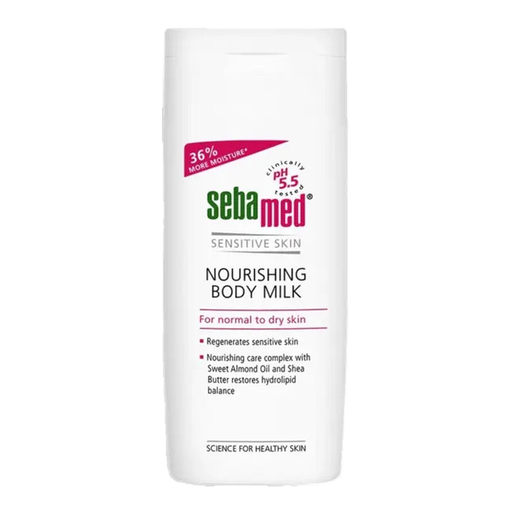
Why this choice suits this profile: Its 200 ml format and non-greasy texture make it a good first daily lotion for normal to dry skin.
The description specifies the skin type, pH 5.5 and the absence of parabens, alcohol, colourants and mineral oils.
Jojoba oil, shea butter, glycerin and panthenol in an emulsion that is claimed to be quickly absorbed.
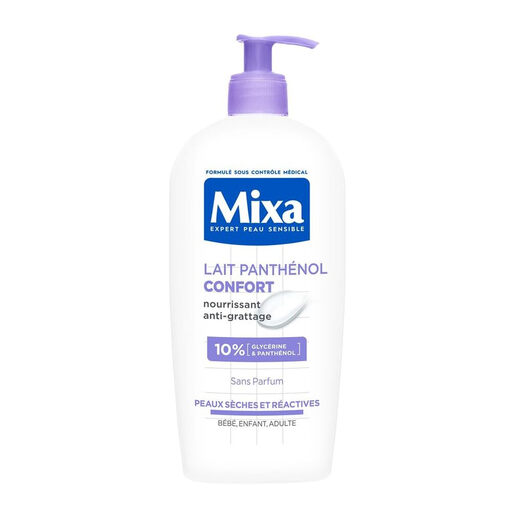
Why this choice suits this profile: Its fragrance-free formula and positioning for extremely dry or sensitive skin fit easily into a regular post-shower routine.
The labelling mentions a rich but non-greasy texture, as well as a fragrance-free formula – two valuable pieces of information to avoid unpleasant surprises.
Panthenol, shea butter and glycerin; 250 ml format suitable for daily home use.
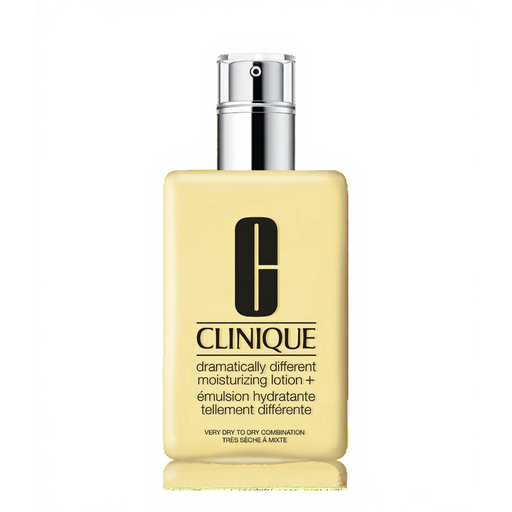
Why this choice suits this profile: This hydrating face lotion is aimed at those looking for a silky, fragrance-free texture for dry to combination skin.
The brand states a fragrance-free formula and specifies the area of application: the face and neck, not the whole body.
Glycerin, dimethicone, petroleum jelly and sodium hyaluronate appear in the INCI list; 125 ml bottle.
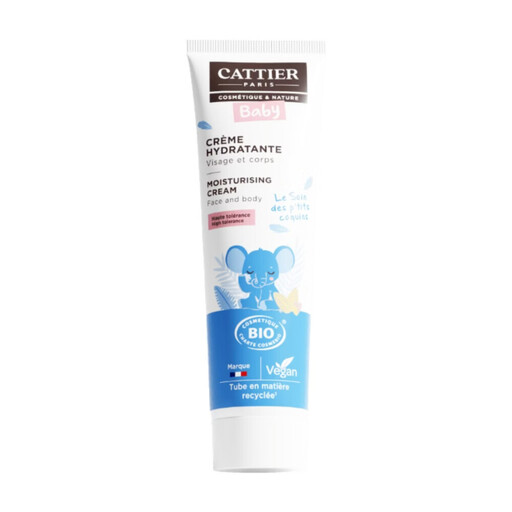
Why this choice suits this profile: This face and body cream fits into baby care routines from birth, under adult supervision.
The product page specifies the age of use, external application and the need to avoid the eyes and irritated areas.
99% naturally derived ingredients, 60% from organic farming, COSMOS Organic certification and vegan formula according to the product page.
We’ve put together a comprehensive, real-time updated list of products that meet these strict selection criteria and European safety regulations.
Apply the product to clean skin, ideally after a shower when your skin is still slightly damp. Take a reasonable amount, then massage until fully absorbed. Very dry areas may need a second application, but a thick layer doesn’t guarantee better hydration.
To store the product properly:
A scented body lotion, for example with calendula or aloe vera, can be pleasant for daily use. For sensitive skin, however, compare the list of fragrant allergens with what your skin usually tolerates. Organic and vegan labels don’t mean the same thing: the former refers to a certification standard, while the latter means no animal-derived ingredients.
A nourishing body milk is generally richer in oils, butters or emollient agents. A lotion can be more fluid and absorb more quickly. The right choice depends on your skin’s level of dryness, the season and the feel you’re after.
Not always. The face can react more strongly to fragrances, occlusive textures or certain active ingredients. Opt for a hydrating face lotion clearly intended for that area and follow the manufacturer’s instructions.
The length of time depends on the formula and the period-after-opening symbol on the packaging, usually shown as an open jar. Follow that indication, check the smell and texture, and replace the product if its appearance changes.