
Livraison le jour même ou le lendemain

Qualité garantie

Débloquez vos offres de bienvenue: Livraison GRATUITE | Jusqu'à -80 % | 30 jours d'essai gratuits à JoyPlus
Téléchargez l'application
Tracking your weight is one thing, but understanding your body composition is another. For athletes, fitness enthusiasts, or anyone on a wellness journey, the numbers on a traditional scale are no longer enough. You want a complete body analysis to fine-tune your training and nutrition, but the smart scale market can be overwhelming.
This guide is here to break down the essential features of a connected body composition scale and help you find the model that truly aligns with your health and performance goals.
Before settling on a particular model, it's crucial to understand the criteria that set a good device apart. Let's review the key points to consider to make the right choice.
Most body composition scales operate using Bioelectrical Impedance Analysis (BIA). A very low-intensity electrical current passes through the body to measure its resistance. Standard models use 4 electrodes (two for each foot) for a general estimate of body composition.
For a more detailed analysis, especially for athletes, an 8-electrode scale (four for the feet and four via a handle) is highly recommended. This technology enables segmental analysis, which separately measures the fat and muscle mass in your arms, legs, and torso. The accuracy is significantly better, providing more actionable data for targeted training.
The main appeal of a smart scale lies in its ability to sync data with a health app. Two connection types dominate the market?:
The app's usability is just as crucial. Does it allow you to track long-term trends, manage multiple profiles, and connect to your other health apps (like Apple Health or Google Fit)?? These are all questions to ask before making a purchase.
Beyond just weight, a good body composition scale provides a multitude of metrics. The most common ones include?:
Some more advanced models even offer heart rate tracking at rest, a very relevant indicator of your cardiovascular health and overall fitness level.
Here are a few options that cater to different needs, from daily tracking to the most advanced analyses.
Why It Stands Out
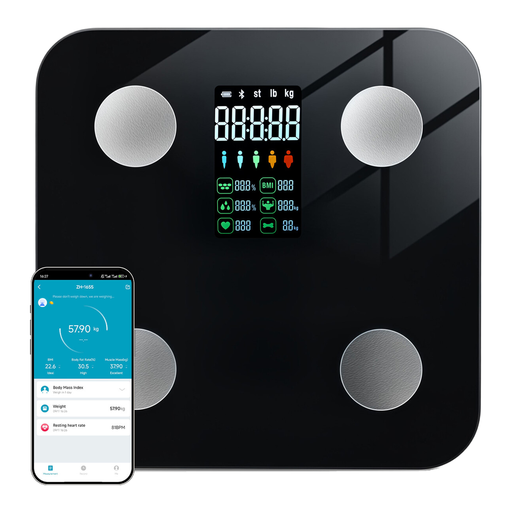
The Sparoma ZJ08 stands out with its large, colour LCD screen that instantly displays key metrics?: weight, body fat percentage, and heart rate. This feature allows you to get a quick overview of your stats without having to pull out your phone, which is very convenient for the morning weigh-in.
Pros
Who Is It For??
Ideal for families and anyone who wants to closely monitor their health with regular, perfectly readable tracking. Its direct display makes it a very accessible tool for daily use.
Why It Stands Out
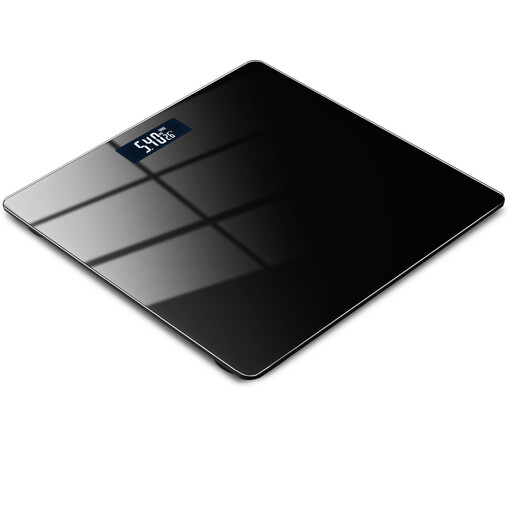
This model focuses on the essentials?: precision and simplicity. Although it is not a body composition scale, its inclusion in this selection is justified for those who prioritise ultra-reliable weight measurement and a sleek design. It doesn't venture into body composition analysis but excels at its primary mission.
Pros
Who Is It For??
Perfect for users who are primarily looking for a highly accurate digital scale to track their weight, without needing the features of a smart scale or body composition analysis.
Why It Stands Out
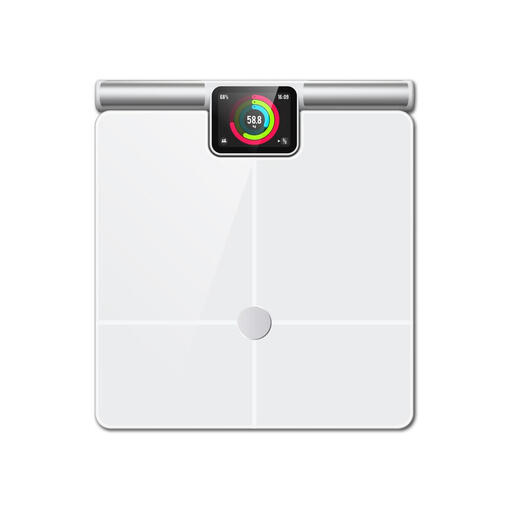
This model represents an advanced solution for a complete body analysis. Thanks to its 8-electrode technology and dual-frequency bio-impedance analysis, it provides a precise segmental analysis of the body's composition. It's the perfect tool for those who take their physical performance very seriously.
Pros
Who Is It For??
Intended for sportspeople, athletes, coaches, and all data enthusiasts who demand the highest level of detail to optimise their training, nutrition, and health monitoring.
Our selection highlights models that meet specific needs, but the world of smart scales is vast. Every user has different expectations regarding features, design, or budget.
To discover a wider range of models, from the simplest to the most sophisticated, check out our complete category of bathroom scales.
The accuracy of consumer-grade body composition scales is a debated topic. While they don't replace a medical analysis (like a DEXA scan), their real strength lies in the consistency of the measurements. To identify reliable trends, it's crucial to weigh yourself under the same conditions every time?: in the morning on an empty stomach, after using the toilet, and on a hard, flat surface. The consistency of the readings is more important than absolute accuracy for tracking your progress.
The choice depends on your usage. Bluetooth is sufficient if you always weigh yourself with your smartphone nearby. Wi-Fi offers a far superior user experience?: the scale syncs data automatically as soon as it's within range of your network. This is ideal for ensuring no measurement is lost and for simplifying family use.
Bioelectrical Impedance Analysis (BIA) sends a very low-intensity electrical signal (completely painless and safe for almost all users) through the body. The signal travels faster through hydrated tissues like muscle and slower through fat. By measuring the resistance (impedance) to this signal, the scale uses algorithms to estimate the percentages of fat and muscle mass, water, bone mass, etc. Important note?: this technology is not recommended for individuals with a medical implant such as a pacemaker.