
Livraison le jour même ou le lendemain

Qualité garantie

Débloquez vos offres de bienvenue: Livraison GRATUITE | Jusqu'à -80 % | 30 jours d'essai gratuits à JoyPlus
Téléchargez l'application
Choosing body care products isn’t just about comparing scents or hunting for deals. Between formulas labelled “gentle”, family-sized bottles and promises of hydration, some essential details can easily slip under the radar.
To avoid disappointing purchases, it’s worth looking at the ingredients, the skin type the product is designed for, and the usage instructions. Here are the key points to check before picking a shower gel, body lotion, soap or hair removal cream.
A vanilla, coconut or floral fragrance makes your shower more enjoyable, but it says nothing about how well your skin will tolerate the product. If you have sensitive or reactive skin, you need to check the ingredients list and look out for fragrance and fragrance allergens such as limonene, linalool or geraniol.
A scented formula isn’t necessarily a bad choice, but it does call for extra caution if your skin tends to feel uncomfortable.
This claim needs to be backed up by real information: whether or not it contains soap, the type of cleansing agents, the active ingredients used, the recommended age and any precautions for use. A sulphate-free shower gel can work well for those looking for a gentler cleansing base, while a shower oil offers a more enveloping feel.
It’s also important to tell the difference between a marketing promise and something you can actually verify. The volume, the INCI list and the usage instructions are far more useful when comparing two products.
A small bottle might seem cheaper at the till, but a 750 ml or 1 litre format is often more practical for a family. On the other hand, a larger container takes up more space, and its opening needs to stay clean and properly closed.
Compare the price per litre or per 100 ml, how often you’ll use it and how much you need per application. For targeted treatments like a body scrub or a Veet hair removal cream, how often you use it usually matters more than the volume on the label.
The term hypoallergenic doesn’t mean a reaction is completely impossible. It’s still a good idea to read the label and stop using the product if you notice any redness or irritation.
For a shower gel, look at the first few ingredients on the list. The cleansing agents largely determine how clean your skin feels and how much lather you get. The Cattier Sulphate-Free Shower Gel, for example, lists a base made from decyl glucoside, sodium cocoamphoacetate and cocamidopropyl betaine, along with a soap-free formula.
On the other hand, a moisturising cleansing cream might combine a standard foaming base with glycerin or a plant oil. The claims on the front of the bottle aren’t enough to compare two different products.
For a hair removal cream, the maximum leave-on time is non-negotiable. It’s recommended to do a patch test before every use, even with a formula designed for sensitive skin. Never apply the product to irritated, damaged or recently sun-exposed skin. Also stick to the areas listed on the packaging.
For a 48-hour deodorant, the claimed duration is the brand’s guideline, not a guarantee that it will work the same for everyone. Sweat levels, physical activity and skin type can all affect the result.
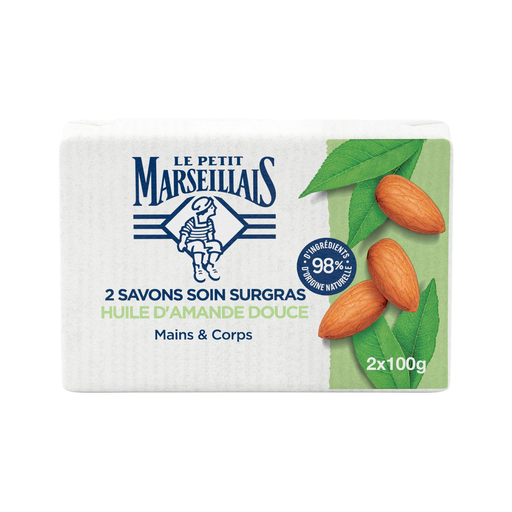
Why this choice suits this profile: This pack of two 100 g bars lets you start a simple body and hand routine without stocking up on lots of different products.
The solid format means you’re not paying mostly for water, and it stores easily on a soap dish that lets it drain.
Superfatted soap with sweet almond oil and glycerin, made in France and suitable for both body and hands from age 3.
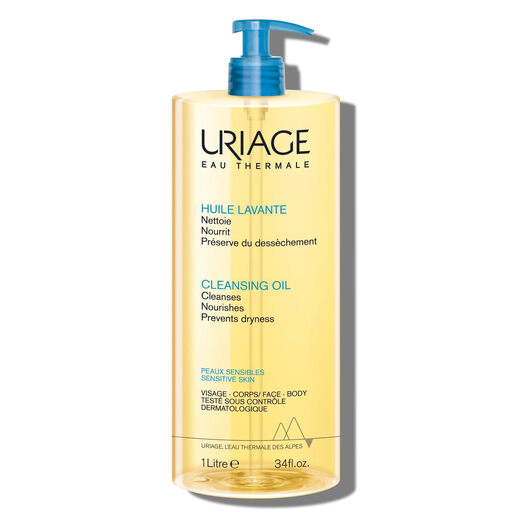
Why this choice suits this profile: Its oil-gel texture and large format will appeal to those looking for a more indulgent everyday experience.
The product page details the presence of superfatting agents and glycerin, rather than just relying on a promise of fragrance or lather.
Soap-free base, Uriage thermal water listed in the ingredients and a 1-litre format.
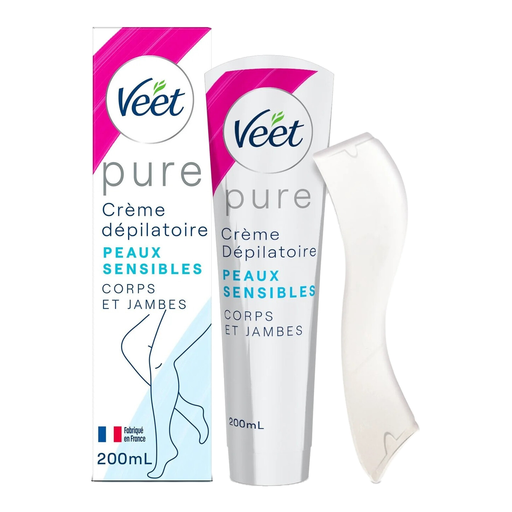
Why this choice suits this profile: This Veet hair removal cream is designed for legs, arms, underarms and the bikini line, for occasional hair removal.
The product page recommends a patch test on a small area and specifies the maximum leave-on time – two things to check before every use.
200 ml format, spatula included and application areas clearly stated on the product page.
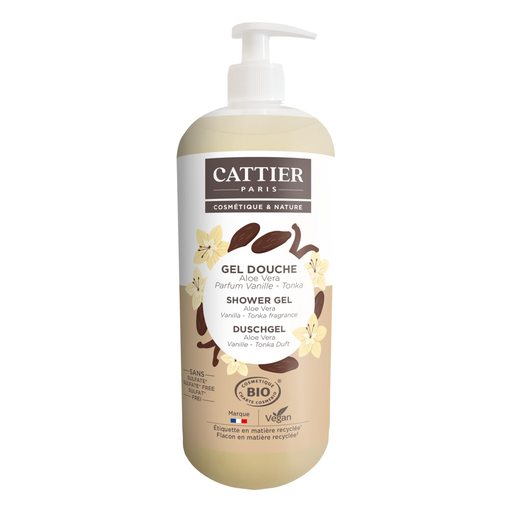
Why this choice suits this profile: The 1-litre pump bottle is ideal for a bathroom shared by several people and cuts down on how often you need to replace it.
The formula clearly states it’s sulphate-free and soap-free, with a detailed ingredients list so you can check for yourself.
1-litre format, organic aloe vera listed on the product page and certified organic formula according to the product information.
To complete your routine, the Cattier Nourishing Body Lotion 500 ml combines shea butter, glycerin and plant oils. Apply it after your shower to dry areas. The Le Petit Marseillais Body Scrub 150 ml, meanwhile, should be used once or twice a week as per the manufacturer’s instructions, but never on irritated skin.
Start with a gentle, non-stripping cleanser, then apply a body lotion for dry skin to clean skin, ideally after your shower. Look for ingredients like glycerin, shea butter or certain plant oils. A moisturising cleansing cream can also be a good option if your skin feels tight after washing.
It depends on your skin’s tolerance and the product’s instructions. Some products recommend using it once or twice a week, while sensitive skin may need a longer gap between uses. Avoid scrubbing irritated areas and follow up with a moisturising treatment.
Compare the price per litre, the format, the type of dispenser and how long it’s likely to last. A superfatted soap bar or a 1-litre shower gel can reduce how often you need to replace them, but the formula still needs to be suitable for everyone in the household and their age. Organic body care products can also be compared based on the certification shown, the percentage of naturally derived ingredients and the full ingredients list.