
Livraison le jour même ou le lendemain

Qualité garantie

Débloquez vos offres de bienvenue: Livraison GRATUITE | Jusqu'à -80 % | 30 jours d'essai gratuits à JoyPlus
Téléchargez l'application
Hydrating, cleansing, scenting, exfoliating or improving the appearance of certain areas – the range of body care products is vast. With promises of long-lasting hydration, "natural" formulas and large family-sized bottles, it's not always easy to compare products on concrete criteria.
Some purchases disappoint for reasons that are fairly simple to anticipate. Here are the points to check before choosing a shower gel, a moisturising body cream, a nourishing body lotion or a dry body oil.
Phrases like "transformed skin", "visible effect" or "targeted action" aren't enough to choose between two products. To get a clearer picture, look at the INCI list, the volume, how to use it and the exact nature of the product.
For anti-cellulite or anti-spot treatments, the claimed results should also be taken in context. The product page for Nivea Luminous 630, for example, mentions instrumental and consumer tests carried out on groups defined by the brand. These results don't necessarily guarantee the same effectiveness for every user.
"Soap-free", "organic", "vegan" or "sulphate-free" refer to specific characteristics. That doesn't mean the product will suit all skin types. A formula may still contain fragrance or allergens that require mandatory labelling.
Dry and sensitive skin can react to certain fragrances, essential oils or cleansing agents. Take the time to read the label, follow the usage instructions and stop using the product at the first sign of irritation.
A small bottle might seem economical, but it can work out more expensive per use than a 500 ml or 1 litre pump bottle. Compare the price per litre or per 100 ml, especially for daily family use.
Also check how versatile the product is. A 2-in-1 body and hair product can reduce the number of bottles in your bathroom, but it won't necessarily replace a shampoo designed for a specific need.
Start by identifying the category you actually need:
For cosmetics sold in the European Union, the ingredients must be listed according to the INCI nomenclature. If you're looking for more comfort, look out for glycerin, plant oils, butters and emollient agents.
The "certified organic" claim must refer to a clearly identifiable certification body or standard. The term "natural" alone doesn't guarantee the product will be well tolerated. For dry and sensitive skin, it's best to stick to a simple routine and test a small amount on a limited area before applying more widely.
A body scrub is generally used less often than a moisturising lotion. A 1 litre bottle can be practical for a family, while a 100 to 250 ml format is better suited to a travel bag or a small bathroom.
Also read the usage precautions: rinse thoroughly, avoid the eye area, store away from heat and stop using immediately if you feel any discomfort. With a self-tanner, the regularity and evenness of application on clean, dry skin matter just as much as the formula itself.
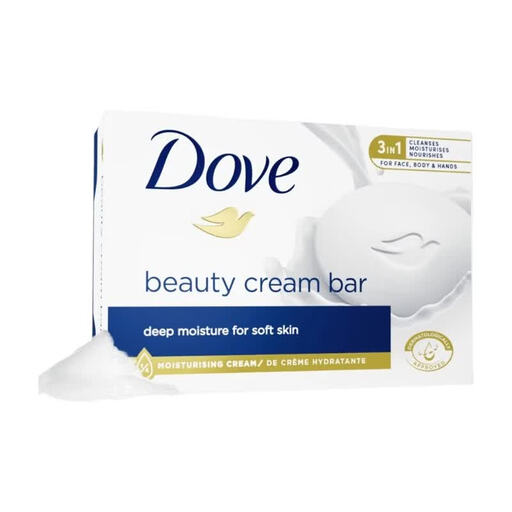
Why this choice suits this profile: This pack of four 90 g bars offers a simple solution for body, face and hands, while taking up very little cupboard space.
The solid format means you're not mainly paying for water, and you can easily compare the number of bars and their weight.
Bar containing a quarter moisturising cream according to the product page, recyclable cardboard packaging and versatile use.
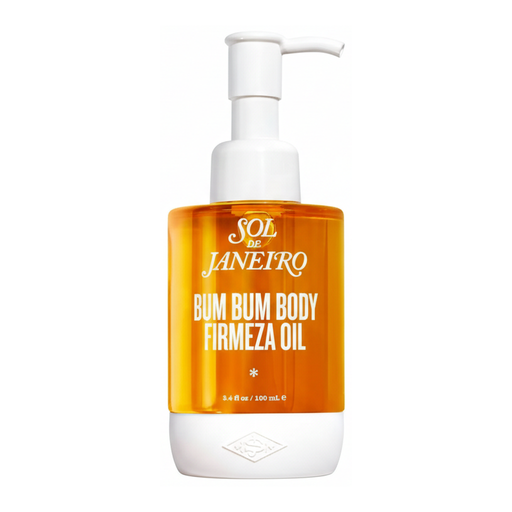
Why this choice suits this profile: Its 100 ml format and oily texture fit well into a sensory routine, especially when you want to take time to massage your body.
The product page details the sunflower, olive, macadamia, jojoba and coconut oils – so the comparison is based on a clearly identifiable composition.
Described as having a lightweight texture, suitable for daily use, with squalane and vitamin E in the ingredients list.
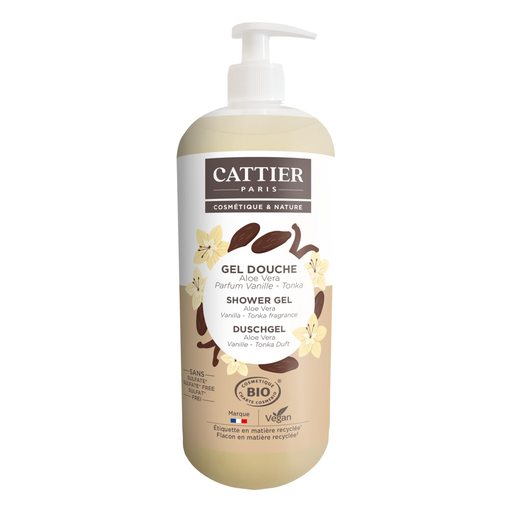
Why this choice suits this profile: The one-litre pump bottle is ideal for frequent showers and households that want to avoid replacing their shower gel too often.
The product page states "sulphate-free", "soap-free", 97% naturally derived ingredients, plus organic and vegan certification – so you're relying on concrete details rather than a vague promise.
Organic aloe vera, convenient pump dispenser and vanilla-tonka bean fragrance.
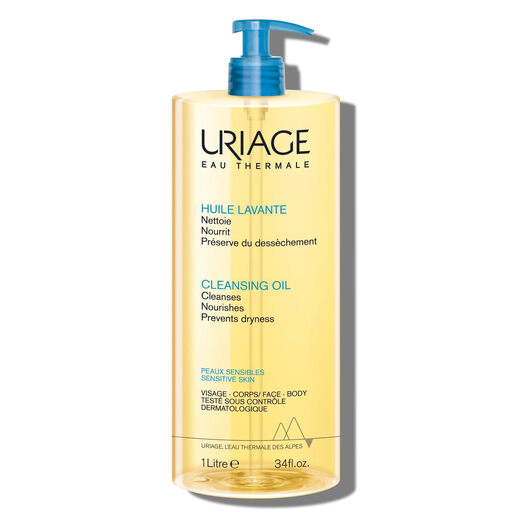
Why this choice suits this profile: This large-format cleansing oil is designed for people who want a more enveloping texture for their daily wash.
The product page mentions a soap-free base, glycerin and superfatting agents – much more informative than a simple "sensitive skin" claim.
1 litre format, suitable for daily use on the body, and dermatological and ophthalmological tests mentioned by the manufacturer.
In the shower, use a cleanser that doesn't strip the skin, then apply a moisturising body cream or nourishing body lotion while your skin is still slightly damp. Avoid very hot showers and space out your scrubs, making sure never to exfoliate an irritated area.
Not necessarily. The absence of sulphate describes a formulation characteristic, but it's not a universal guarantee of tolerance. Compare the INCI list, check for any fragrance and observe how your skin reacts. For reactive skin, a short formula and a patch test on a small area can be more informative than a simple claim on the label.
Follow the period-after-opening symbol and the date on the packaging. Close bottles carefully, store them away from heat and avoid sharing intimate hygiene products. If the smell, colour or texture changes, it's best to stop using the product.